


 US-China Talks Target AI, Tariffs Ahead of Trump-Xi Summit
  S&P 500 Historically Rallies After Midterm Elections, UBS Says
  UAE Central Bank Probes Banque Misr Over Iran Links
  CNN, MS NOW and Politico Sue Trump Over White House Media Ban
  Trump, Iran Trade Threats as Middle East Tensions Escalate
  Carney Condemns Belleville Synagogue Shooting That Wounded Police Officer
  China’s robots can run faster than Usain Bolt – now they are being prepared for war
  JPMorgan Sees ECB Raising Rates to 2.75% in December
  Vietnam, US Trade Deal Could Be Signed Soon, To Lam Says
  Europe Jet Fuel Deficit Drives South Korean Imports to Four-Year High
  Trump Plans Military Complex Inside Washington Triumphal Arch
  ECB Rate Hike in Focus as Oil Tops $100
  Gold Prices Rise as Oil Slump Eases Fed Rate Hike Fears


 Add as a preferred source on Google
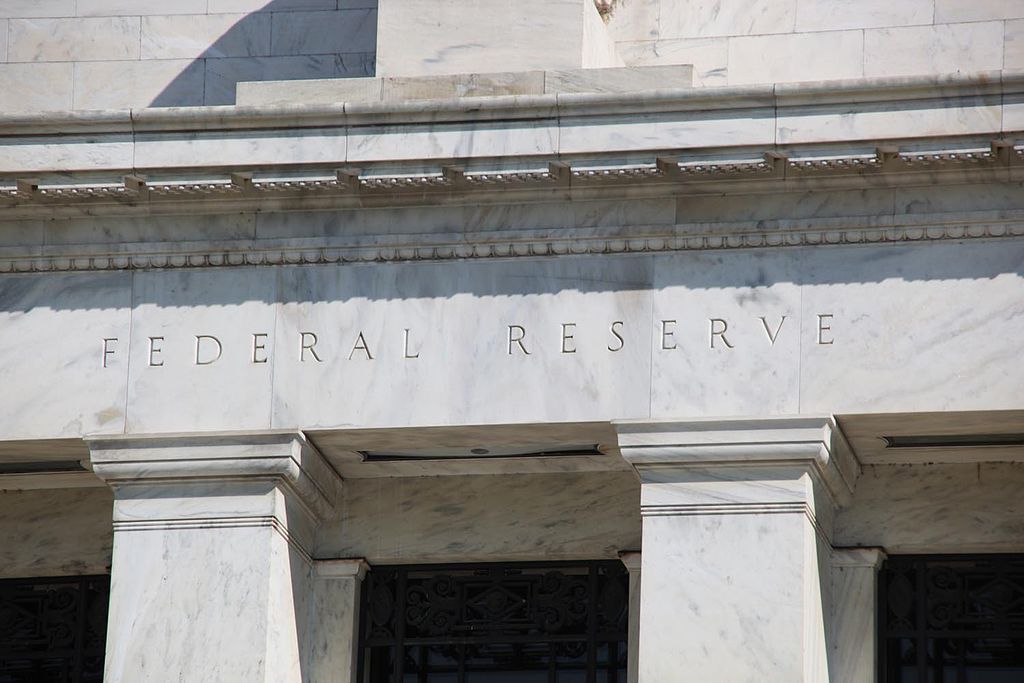
Tensions between the White House and the U.S. Federal Reserve escalated sharply over the weekend after Federal Reserve Chair Jerome Powell revealed that the administration had allegedly threatened him with a criminal indictment tied to the ongoing renovation of the Fed’s headquarters. Powell described the move as a “pretext” designed to increase political pressure on the central bank to cut interest rates, reigniting concerns over Federal Reserve independence and its ability to operate free from political influence.
The comments immediately rattled global financial markets. The U.S. dollar weakened broadly, U.S. stock futures moved lower, and Treasury futures rallied as investors sought safer assets. Market participants are now closely watching the evolving rift, as any perceived erosion of central bank independence could have long-term implications for monetary policy credibility, inflation control, and financial stability.
Analysts remain divided on how serious the threat to the Federal Reserve truly is. Vishnu Varathan, Head of Macro Research for Asia ex-Japan at Mizuho in Singapore, said the issue of Fed independence is now firmly back in focus. He noted that investors may begin reassessing the autonomy of the central bank more frequently, although he stopped short of predicting a full-blown crisis. According to Varathan, markets are not panicking yet because there is still a possibility that former President Donald Trump could appoint a future Fed chair with sufficient credibility to reassure investors and maintain policy continuity.
Andrew Lilley, Chief Rates Strategist at Barrenjoey in Sydney, echoed similar sentiments, arguing that the situation appears more like political pressure than a genuine attempt to remove Powell. He suggested that Trump understands he lacks direct control over the Federal Reserve and is instead using public threats to influence decision-making. While Lilley acknowledged that such actions are negative for market confidence, he believes they are unlikely to materially alter the Federal Open Market Committee’s policy path. In his view, interest rates will continue to reflect the consensus of the FOMC rather than political demands.
Overall, while investor unease has increased, most analysts believe the standoff will have limited immediate impact on U.S. monetary policy, though it adds another layer of uncertainty to an already fragile global economic outlook.







