


 Singapore Inflation Stays Muted in May as Core CPI Misses Forecasts Ahead of MAS Review
  Asian Stocks Slide as AI Rally Pauses, South Korean Chipmakers Lead Regional Decline
  Australia Inflation Cools in May, But Core CPI Keeps RBA Rate Hike Risks Alive
  South Korea Remains MSCI Emerging Market Despite Reform Progress
  Yen Near 40-Year Low as USD/JPY Approaches Key 162 Level, Raising Intervention Concerns
  China Keeps Loan Prime Rates Unchanged for 13th Straight Month as Policymakers Prioritize Credit Demand Recovery
  South Korea’s KOSPI Rebounds as Samsung and SK Hynix Lead Tech Stock Recovery
  Bessent Says U.S. Must Strengthen Supply Chains and Economic Security


Australian weekly confidence rose for the seventh consecutive week. The ANZ-Roy Morgan Australian consumer sentiment index rose 0.4 percent. A solid rise of 5.8 percent in ‘Time to buy a household item’ underpinned the index, with aggregate financial and economic conditions easing last week.
Aggregate financial conditions eased as the 0.8 percent gain in ‘current financial conditions’ was not enough to counter the 2.1 percent fall in ‘future financial conditions’. This drop came after five straight gains.
Similar to the direction of the financial conditions components, ‘current economic conditions’ gained 0.4 percent while ‘future economic conditions’ dropped 1.7 percent. The four-week moving average of ‘Inflation expectations’ continued to be stable at 3.5 percent.
“Building on the momentum from the Budget, confidence gained for the seventh week in a row. Barring Tasmania, New South Wales and Victoria all the states are above the neutral level of 100. Among the major cities, Melbourne weakened while confidence in Brisbane and Sydney surged. Further easing of COVID-19 induced restrictions should support the index over this week as it seeks to move back to its pre-pandemic level”, commented ANZ Head of Australian Economics, David Plank.

- News

- Economy

- Central Banks
- Investing
- Research
- Roundups
- Digital Currency
- Insights
- Technical Analysis
- Technology
- Business
- Law
- Health
- Nature
- Fintech
- Science
- Topic
- Opinions
- ©Econometrics LLC . All Rights Reserved.
Australian weekly consumer sentiment rises for seventh consecutive week
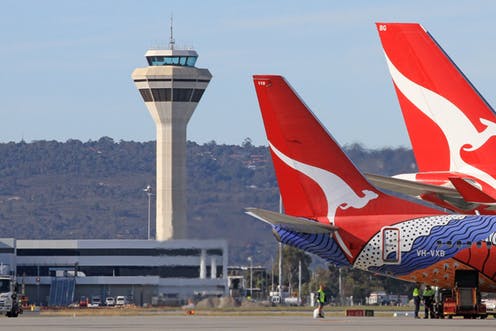
Perth air traffic control tower. As a pilot flies towards the destination, the air traffic control tower sends an interrogation signal. The aircraft automatically responds with a series of short pulses that let air traffic control know the identity of the plane and its altitude. © Copyright Airservices Australia
Tuesday, October 20, 2020 12:42 PM UTC
Editor's Picks



- Market Data
Most Popular




