


 Soybean Futures Slip as Traders Await Trump-Xi Trade Signals
  US Stock Futures Fall as Treasury Yields Surge Ahead of Trump-Xi Summit
  Dollar Hits Two-Month High as Fed Rate Hike Bets Rise
  US Dollar Hits Two-Month High as Fed Rate Hike Bets Rise
  US 10-Year Treasury Yield at 6% Emerges as New Market Risk Threshold
  Oil Prices Jump 3% as Houthi Attack Revives Supply Fears
  European Stocks Slip as Iran Tensions Offset Strong Eurozone Data
  RBI Uses $10 Billion Currency Swaps to Drain Excess Rupee Liquidity
  China’s ‘Lipstick King’ Says AI Won’t Replace Livestream Hosts
  European Stocks Fall as Bond Yields and Geopolitical Risks Weigh
  US, China Extend Trade Truce to Jan. 10 Ahead of Trump-Xi Summit
  Gold Drops Over 1% as Dollar, Treasury Yields Surge on Fed Rate Hike Bets
  South Korea, US Discuss Warship Building Cooperation
  Fed Unveils Stablecoin Rules Under GENIUS Act
  Asian Stocks Fall as Bond Yields Surge Ahead of Trump-Xi Summit
  Oil Prices Ease as Iran Tensions Clash With Diplomacy Hopes


 Add as a preferred source on Google
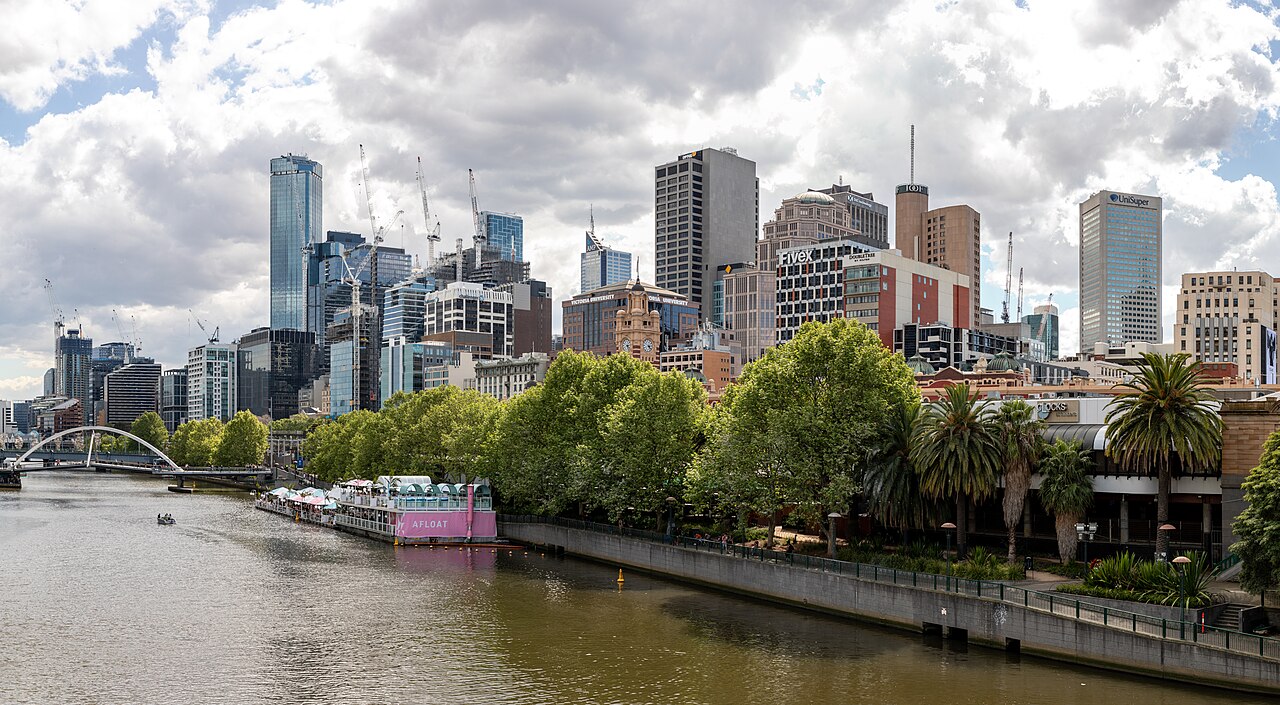
Australia recorded an unexpected trade deficit in May after stronger import growth outpaced solid gains in exports, signaling a shift in the country's trade performance and raising concerns about second-quarter economic growth.
According to the latest trade data, Australia's trade balance posted a deficit of A$3.02 billion (about $2.1 billion) in May. The result marked a sharp reversal from April's revised A$1.38 billion trade surplus and fell well short of economists' expectations for a A$2.19 billion surplus.
The weaker-than-expected outcome came despite healthy export growth. Australian exports increased 6.9% month-on-month in May, following a revised 7.2% rise in April. The improvement was driven by higher shipments of key commodities and rural products, supported by steady demand from major Asian trading partners.
However, imports also strengthened, climbing 2.6% from the previous month, compared with a modest 0.2% increasein April. The rise reflected stronger purchases of capital equipment, consumer goods, and industrial inputs, suggesting resilient domestic demand and continued business investment.
The unexpected trade deficit could weigh on Australia's economic outlook after the external sector contributed positively to growth in recent quarters. Economists will likely monitor upcoming data closely to determine whether the May result represents a temporary setback or the beginning of a broader shift in trade trends.
Investors are also evaluating what the latest trade figures could mean for the Reserve Bank of Australia's monetary policy outlook. The central bank has remained cautious in its approach to inflation, emphasizing that it is too early to declare victory over persistent price pressures.
With domestic demand remaining firm and global trade conditions evolving, Australia's trade performance will remain a key indicator for markets assessing economic growth prospects, inflation trends, and the future direction of RBA interest rate policy.







