


 Japan Private-Sector Growth Slows as Domestic Demand Weakens
  Trump, Xi Focus on Trade and AI at White House Summit
  Russian Envoy Dmitriev Heads to US for Ukraine Talks
  South Korea, US Discuss Warship Building Cooperation
  European Stocks Slip as Iran Tensions Offset Strong Eurozone Data
  Fed Unveils Stablecoin Rules Under GENIUS Act
  Asian Stocks Fall as Bond Yields Surge Ahead of Trump-Xi Summit
  U.S. Treasury Yields Surge as 30-Year Hits 22-Year High
  Mexico-US Trade Talks Delayed to October as Tariff Negotiations Continue
  Dollar Hits Two-Month High as Fed Rate Hike Bets Rise
  European Stocks Fall as Bond Yields and Geopolitical Risks Weigh
  Oil Prices Ease as Iran Tensions Clash With Diplomacy Hopes
  Oil Prices Surge as U.S.-Iran Diplomacy Hopes Fade
  US Stock Futures Fall as Treasury Yields Surge Ahead of Trump-Xi Summit
  Wall Street Falls as Treasury Yields Surge, Oil Rebounds on Iran Tensions
  Gold Prices Fall as Treasury Yields Rise on Fed Rate Hike Bets


 Add as a preferred source on Google
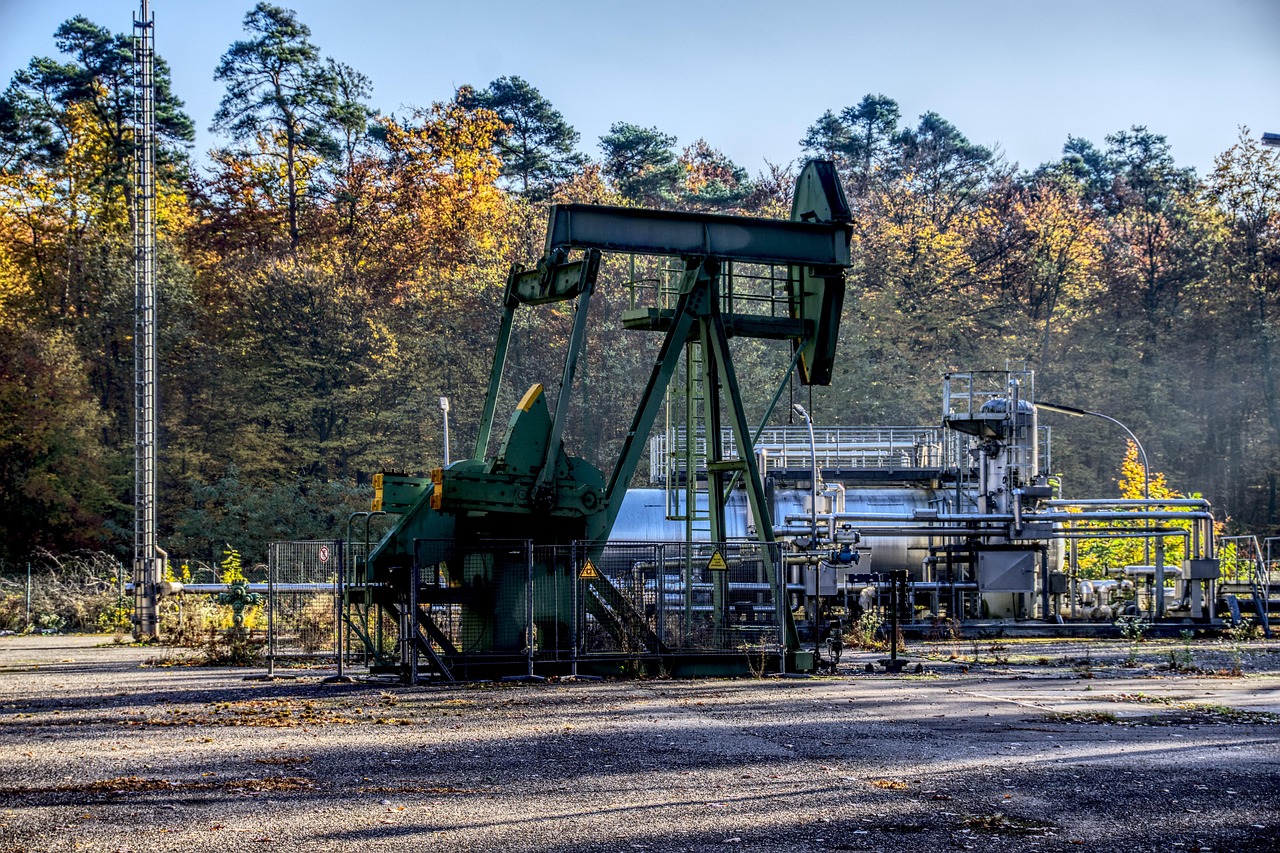
Oil prices edged lower during early Asian trading on Tuesday as investors weighed the possibility of renewed diplomatic talks between the United States and Iran against ongoing concerns over potential supply disruptions in the Middle East. While hopes for easing geopolitical tensions offered some relief, uncertainty surrounding the Strait of Hormuz continued to keep energy markets cautious.
U.S. West Texas Intermediate (WTI) crude futures declined 0.5% to $70.37 per barrel in early trading. Brent crude futures had not yet opened in the Asian session. Despite Monday’s rebound, both benchmark crude contracts remain more than 9% below their recent highs after retreating to levels seen before the escalation of the U.S.-Israel conflict involving Iran.
Market sentiment remained fragile following fresh military exchanges between Washington and Tehran over the weekend. Investors are closely monitoring developments after President Donald Trump announced that U.S. and Iranian officials are expected to hold peace talks in Doha later on Tuesday. However, Iran has not officially confirmed its participation, leaving uncertainty over whether the negotiations will move forward.
Adding to market concerns, Iranian Deputy Foreign Minister Kazem Gharibabadi said Tehran intends to continue pursuing plans to jointly oversee maritime traffic through the Strait of Hormuz even if Oman decides not to participate. The statement raised fresh questions about the future management of one of the world's most critical energy shipping routes.
Analysts at ANZ noted that increased Iranian influence over maritime traffic could delay the normalization of crude exports from the Persian Gulf. Continued security risks in the region also threaten shipping operations, potentially disrupting global oil supplies and maintaining upward pressure on energy prices.
The Strait of Hormuz remains one of the world's most strategically important waterways, handling roughly one-fifth of global crude oil and liquefied natural gas shipments. Any disruption to traffic through the passage can have significant implications for international energy markets, supply chains, and fuel prices.
Although crude prices have largely erased the gains triggered by the recent conflict, ANZ analysts believe tighter refined fuel markets continue to reflect underlying supply constraints. These conditions are expected to support refinery margins even if benchmark crude prices remain relatively subdued in the near term.
Investors are expected to remain focused on geopolitical developments, shipping conditions in the Strait of Hormuz, and the outcome of potential U.S.-Iran talks, as these factors are likely to determine the next direction for global oil prices.







