


 U.S. Dollar Hits Two-Month High as Oil, Treasury Yields Surge
  RBI Uses $10 Billion Currency Swaps to Drain Excess Rupee Liquidity
  US 10-Year Treasury Yield at 6% Emerges as New Market Risk Threshold
  Soybean Futures Slip as Traders Await Trump-Xi Trade Signals
  Fed Unveils Stablecoin Rules Under GENIUS Act
  Oil Prices Surge as U.S.-Iran Diplomacy Hopes Fade
  Gold Drops Over 1% as Dollar, Treasury Yields Surge on Fed Rate Hike Bets
  Fed Unveils Stablecoin Rules Under GENIUS Act
  Wall Street Falls as Treasury Yields Surge, Oil Rebounds on Iran Tensions
  European Stocks Slip as Iran Tensions Offset Strong Eurozone Data
  US Dollar Hits Two-Month High as Fed Rate Hike Bets Rise
  Oil Prices Jump 3% as Houthi Attack Revives Supply Fears
  Trump, Xi Focus on Trade and AI at White House Summit
  Australia Unemployment Hits Five-Year High Despite Strong Jobs Growth
  U.S. 10-Year Treasury Yield Hits 2007 High as Fed Rate Hike Bets Rise


 Add as a preferred source on Google
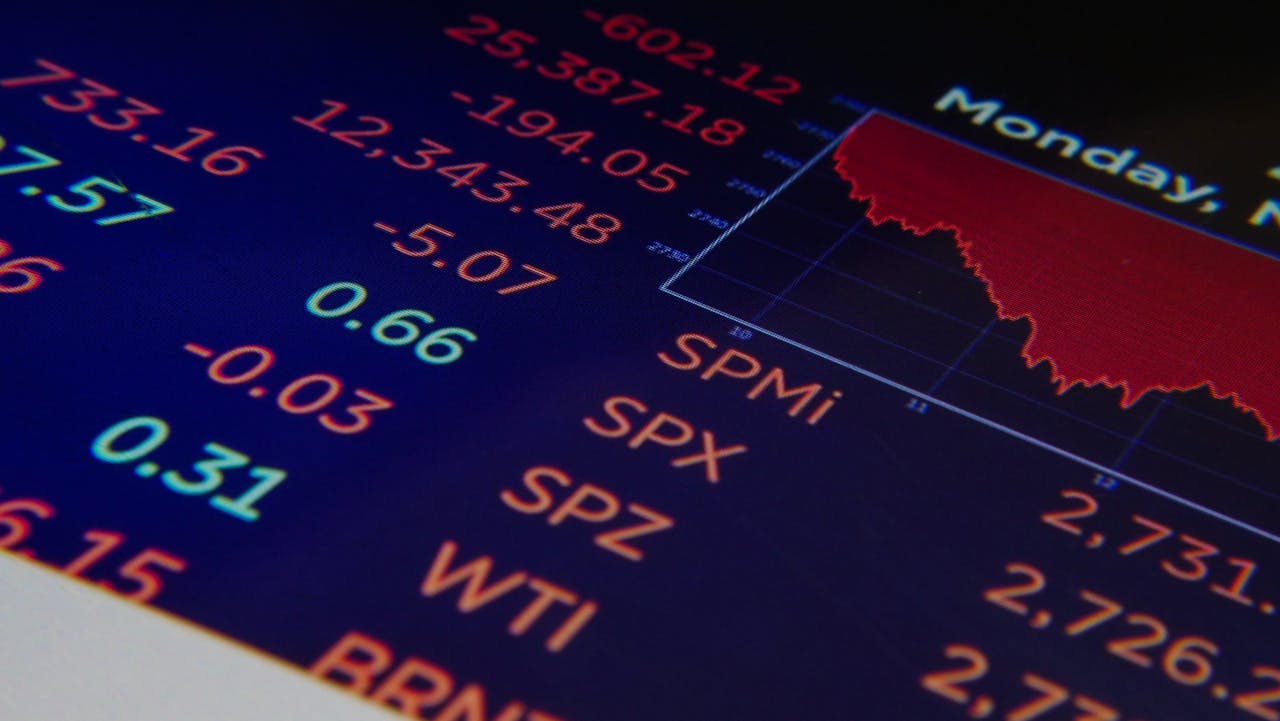
Asian stock markets fell sharply on Thursday as investors locked in profits from semiconductor stocks after a strong second quarter rally, while financial markets turned their attention to the upcoming U.S. nonfarm payrolls report for clues on whether the Federal Reserve could raise interest rates again.
MSCI’s broad Asia-Pacific index excluding Japan dropped 0.8%, reflecting broad weakness across the region. Japan’s Nikkei 225 declined 1.1%, extending losses after the start of the new quarter. South Korea’s KOSPI suffered the biggest setback, plunging 2.7% after already falling 2% in the previous session.
Technology stocks led the decline, with SK Hynix sliding 7.7% and Samsung Electronics falling 6.2%. The selloff followed reports that Meta Platforms plans to launch a cloud infrastructure business by selling excess AI computing capacity, a move that pushed Meta shares up 8.8% overnight but fueled concerns about future spending across the AI semiconductor sector.
Hong Kong’s Hang Seng Index stood out as the region’s best performer, climbing 1.8% despite broader market weakness.
Investor sentiment has also been pressured by foreign fund outflows. Overseas investors sold Asian equities at the fastest pace in at least 16 years during the first half of 2026, trimming positions in top-performing AI-related markets such as South Korea and Taiwan while shifting capital toward lower-valued opportunities.
Markets are now focused on the U.S. June nonfarm payrolls report, scheduled for release on Thursday ahead of the Independence Day holiday. Reuters economists expect employers to have added around 110,000 jobs, although estimates range from 25,000 to 200,000, highlighting the possibility of a significant market surprise. The unemployment rate is expected to remain at 4.3%.
According to Chris Weston, Head of Research at Pepperstone, equity investors are hoping for a "Goldilocks" employment report that shows healthy job growth without increasing expectations for near-term Federal Reserve rate hikes. A balanced report could support equities by reducing concerns about tighter monetary policy.
Federal Reserve Chair Kevin Warsh reinforced the central bank’s commitment to its 2% inflation target during remarks at the Sintra Forum, emphasizing that policymakers would not loosen monetary policy prematurely. Although he acknowledged easing inflation risks, markets continue to price roughly an 80% probability of a September rate hike.
Treasury yields remained elevated ahead of the employment report. The benchmark U.S. two-year Treasury yield rose to 4.18%, up around 9 basis points for the week, while the 10-year yield held near 4.48% after climbing roughly 10 basis points over the same period. Rising yields continued to support the U.S. dollar against major currencies.
The euro traded near $1.138 after falling overnight following comments from European Central Bank President Christine Lagarde, who said inflation and economic growth risks in the eurozone had become more balanced.
Meanwhile, the Japanese yen hovered around 162.6 per dollar after touching a fresh 40-year low of 162.84 on Wednesday. The currency’s weakness prompted renewed intervention warnings from Japanese officials, although previous market interventions totaling nearly ¥12 trillion earlier this year produced only temporary support.
In commodity markets, oil prices extended recent losses. Brent crude fell 0.8% to around $71 per barrel, reaching its lowest level in four months after U.S. President Donald Trump said negotiations with Iran in Qatar had progressed positively. Increased oil tanker traffic through the Strait of Hormuz also eased concerns about supply disruptions.
Gold prices recovered 0.5% to approximately $4,050 per ounce after ending one of their weakest quarters in years, as investors sought safety ahead of the closely watched U.S. jobs report.







