


 China Factory PMI Seen Returning to Growth in June as AI Export Demand Supports Economy
  BOJ Rate Hike Expectations Rise as Weak Yen and Strong U.S. Jobs Data Increase Pressure
  BOJ Raises Interest Rates to 1% as Inflation Pressures Persist
  Fed Chair Kevin Warsh Signals Policy Overhaul as Hawkish Rate Outlook Rattles Markets
  Canada Grants C$7 Million to Greenland Molybdenum Mine to Strengthen Critical Minerals Supply
  Japan Targets 1%+ Real Economic Growth With ¥370 Trillion Investment Plan
  Trump Questions Housing Bill as He Prioritizes SAVE America Act
  US Dollar Slips After PCE Inflation Data as Fed Rate Hike Expectations Stay Elevated
  Gold Price Hits Annual Low as Fed Rate Hike Bets and Sticky Inflation Weigh on Bullion
  ECB Keeps July Rate Options Open Amid Iran War Energy Price Risks
  RBI Holds Interest Rates at 5.25%, Cuts India Growth Forecast Amid Rising Global Risks
  Supreme Court Backs Lisa Cook, Defends Federal Reserve Independence Against Trump Firing Attempt
  China Manufacturing PMI Edges Higher in June as Exports and AI Investment Boost Growth
  RBA Expected to Hold Interest Rates at 4.35% as Markets Watch AUD/USD and ASX 200
  ECB Set to Raise Interest Rates as Energy Shock Fuels Eurozone Inflation Concerns


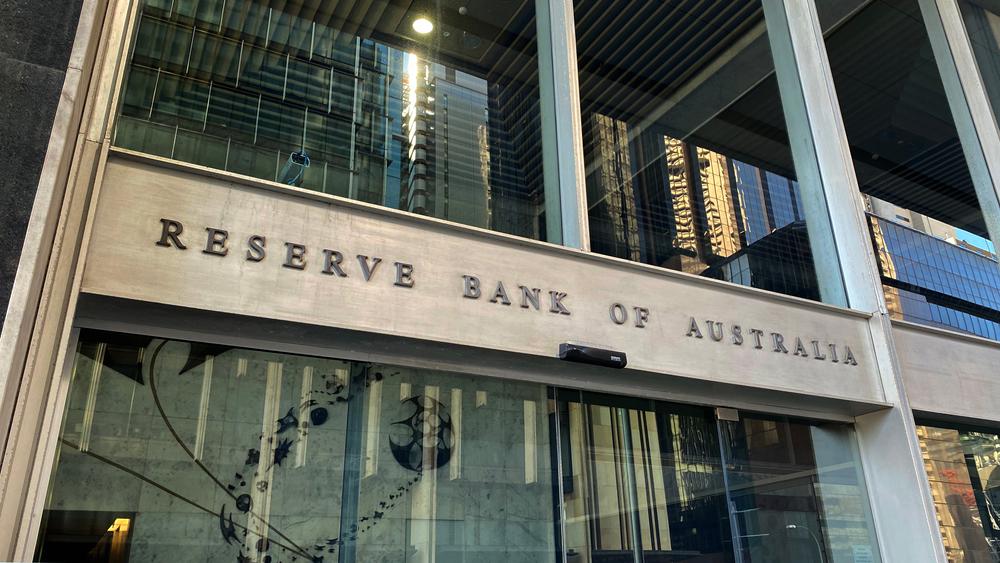
The Reserve Bank of Australia (RBA) remains prepared to raise interest rates again if inflation risks intensify, according to the minutes of its June policy meeting released on Tuesday. The central bank emphasized that it is committed to returning inflation to target while maintaining stable employment, leaving the door open for additional monetary tightening if necessary.
At its June meeting, the RBA kept the cash rate unchanged at 4.35% after delivering a cumulative 75 basis points of rate hikes earlier this year. Policymakers said they wanted more time to assess how previous increases were affecting inflation, household spending, and broader economic activity before making further adjustments.
Despite holding rates steady, the meeting minutes highlighted that the RBA continues to take a hawkish stance on inflation. Board members agreed they would "do what is necessary" to achieve the bank’s inflation and employment objectives, including raising the cash rate again should price pressures prove more persistent than expected.
The minutes showed that although inflation risks linked to higher energy prices have eased following the de-escalation of the Middle East conflict, domestic challenges remain significant. Weak productivity growth, resilient consumer demand, and ongoing supply constraints continue to pose upside risks to inflation across the Australian economy.
The RBA also pointed to Australia's tight labor market, steady wage increases, and production bottlenecks as factors that could keep inflation elevated. These domestic conditions have remained central to the bank’s policy decisions as it seeks to bring inflation back within its target range.
Earlier this year, the RBA aggressively increased borrowing costs after inflation accelerated in late 2025. Rising oil prices driven by geopolitical tensions in the Middle East added to inflationary pressures before crude prices retreated following a peace agreement reached in June. However, policymakers acknowledged that renewed geopolitical tensions could once again push energy prices higher.
At the same time, the central bank recognized downside risks to economic growth. The minutes cited softer housing market conditions and slowing private consumption as areas that warrant close monitoring, even as inflation remains the primary concern.
The Australian dollar was little changed following the release of the minutes, while investors continued to assess the likelihood of another RBA interest rate increase in the coming months as policymakers balance persistent inflation against slowing domestic demand.







