


 Asian Stocks Fall as Bond Yields Surge Ahead of Trump-Xi Summit
  European Stocks Slip as Iran Tensions Offset Strong Eurozone Data
  U.S. Treasury Yields Surge as 30-Year Hits 22-Year High
  U.S. 10-Year Treasury Yield Hits 2007 High as Fed Rate Hike Bets Rise
  Oil Prices Jump 3% as Houthi Attack Revives Supply Fears
  US Dollar Hits Two-Month High as Fed Rate Hike Bets Rise
  China’s ‘Lipstick King’ Says AI Won’t Replace Livestream Hosts
  Trump, Xi Focus on Trade and AI at White House Summit
  Australia Unemployment Hits Five-Year High Despite Strong Jobs Growth
  Mexico-US Trade Talks Delayed to October as Tariff Negotiations Continue
  European Stocks Fall as Bond Yields and Geopolitical Risks Weigh
  Soybean Futures Slip as Traders Await Trump-Xi Trade Signals
  Oil Prices Surge as U.S.-Iran Diplomacy Hopes Fade
  Wall Street Falls as Treasury Yields Surge, Oil Rebounds on Iran Tensions
  RBI Uses $10 Billion Currency Swaps to Drain Excess Rupee Liquidity
  Wall Street Ends Flat as Oil, Treasury Yields and Fed Jitters Rattle Markets
  US Stock Futures Fall as Treasury Yields Surge Ahead of Trump-Xi Summit


 Add as a preferred source on Google
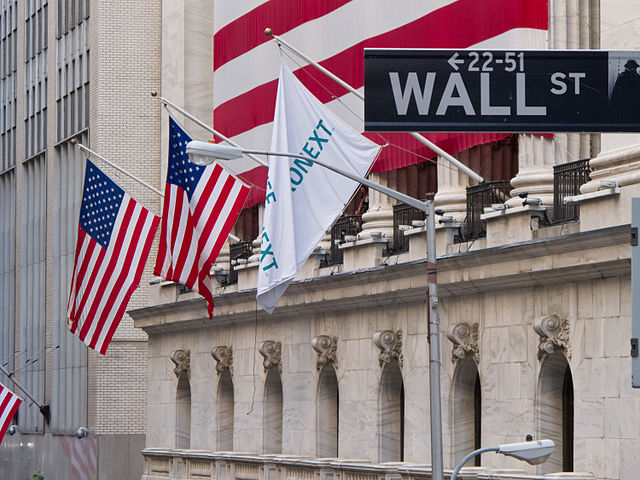
U.S. stock index futures traded little changed late Wednesday after Wall Street ended a volatile session lower, as investors looked ahead to the closely watched June nonfarm payrolls report for fresh signals on the Federal Reserve's interest rate path.
As of 20:45 ET (00:45 GMT), S&P 500 Futures slipped 0.1% to 7,536.0, Nasdaq 100 Futures edged down 0.1% to 30,068.75, and Dow Jones Futures also eased 0.1% to 52,600.0.
The muted futures trading followed a weaker close for the major U.S. indexes on the first trading day of the third quarter. The Dow Jones Industrial Average finished slightly lower, while the S&P 500 declined 0.2% and the Nasdaq Composite dropped 0.7%, pressured by sharp losses in semiconductor and artificial intelligence-related stocks.
Investor attention remains firmly on the Federal Reserve after Fed Chair Kevin Warsh reaffirmed the central bank's commitment to bringing inflation back to its 2% target. While acknowledging that inflation expectations have moderated, Warsh indicated policymakers remain focused on controlling price pressures, reinforcing expectations that interest rates could stay elevated if inflation proves persistent.
Markets are now awaiting Thursday's June employment report, which will be released a day earlier than usual because of the Independence Day holiday. Economists forecast the U.S. economy added approximately 114,000 jobs last month, down from 172,000 in May. The report is expected to play a key role in shaping expectations for future Fed policy, with signs of a cooling labor market potentially influencing interest rate decisions.
Geopolitical developments also stayed on investors' radar. U.S. and Iranian officials wrapped up two days of indirect negotiations in Doha, with discussions focused on maritime security in the Strait of Hormuz and the release of frozen Iranian assets. The talks build on a temporary agreement reached last month and are being closely monitored for their potential impact on global energy markets.
Meanwhile, oil prices extended their decline during Asian trading, easing concerns that higher energy costs could reignite inflation. Lower crude prices have helped improve market sentiment after recent geopolitical tensions fueled fears of supply disruptions and stronger inflationary pressures.
Despite Wednesday's decline, U.S. stocks continue to trade near record highs following a strong second-quarter rally. Investors are balancing elevated market valuations against a resilient U.S. economy, expectations for solid corporate earnings, and the outlook for Federal Reserve policy, making the upcoming jobs report one of the most significant market catalysts of the week.







