


 U.S. Treasury Yields Surge as 30-Year Hits 22-Year High
  European Stocks Fall as Bond Yields and Geopolitical Risks Weigh
  Russian Envoy Dmitriev Heads to US for Ukraine Talks
  Gold Drops Over 1% as Dollar, Treasury Yields Surge on Fed Rate Hike Bets
  Oil Prices Jump 3% as Houthi Attack Revives Supply Fears
  US Dollar Hits Two-Month High as Fed Rate Hike Bets Rise
  Asian Currencies Mixed as Dollar Holds Near Two-Month High
  Oil Prices Surge as U.S.-Iran Diplomacy Hopes Fade
  Wall Street Ends Flat as Oil, Treasury Yields and Fed Jitters Rattle Markets
  U.S. Dollar Hits Two-Month High as Oil, Treasury Yields Surge
  Trump, Xi Focus on Trade and AI at White House Summit
  Oil Prices Ease as Iran Tensions Clash With Diplomacy Hopes
  US Stock Futures Fall as Treasury Yields Surge Ahead of Trump-Xi Summit
  Fed Unveils Stablecoin Rules Under GENIUS Act
  European Stocks Slip as Iran Tensions Offset Strong Eurozone Data


 Add as a preferred source on Google
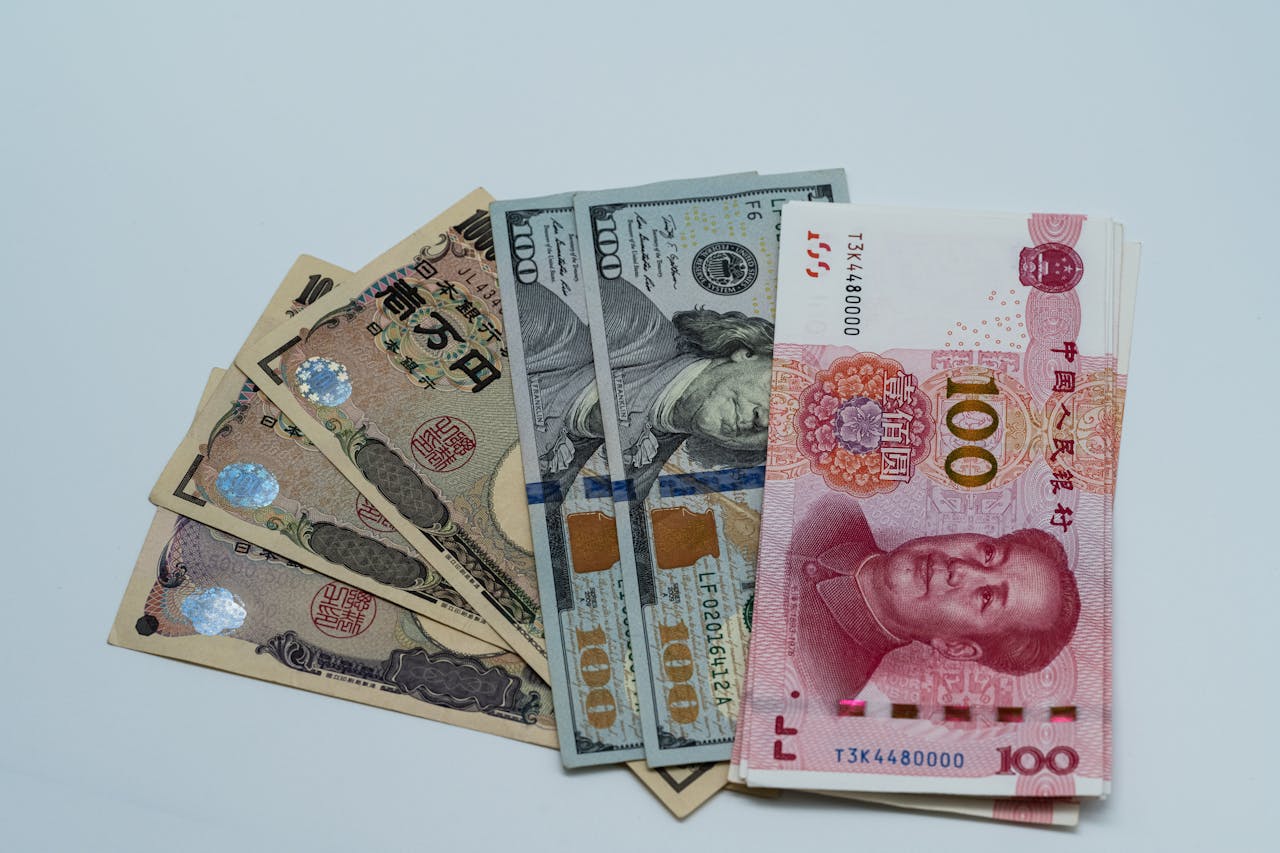
Asian currencies mostly weakened on Wednesday as the U.S. dollar remained resilient, while the Japanese yen hovered near its weakest level in nearly four decades, keeping traders alert for potential intervention by Japanese authorities. Markets also stayed cautious as uncertainty surrounding U.S.-Iran negotiations and upcoming U.S. economic events supported demand for the greenback.
Investor sentiment remained restrained after reports indicated that Iran declined to meet senior U.S. officials in Qatar, signaling that negotiations remain far from reaching an agreement that could fully reopen the Strait of Hormuz. The ongoing geopolitical uncertainty continued to bolster the dollar despite improving economic indicators across parts of Asia.
Attention has now shifted to remarks from Federal Reserve Chairman Kevin Warsh later Wednesday and Thursday’s closely watched U.S. nonfarm payrolls report, both of which could provide fresh clues on the Federal Reserve’s interest rate outlook. The U.S. Dollar Index edged higher after posting a solid quarterly gain, supported by resilient U.S. economic data and continued optimism surrounding artificial intelligence-driven investment.
The Japanese yen remained under pressure, with the USD/JPY pair climbing to around 162.7 after the dollar gained roughly 2.5% against the currency during the second quarter, marking a fourth straight quarterly advance. The weakness persisted despite stronger business confidence in the Bank of Japan’s Tankan survey and manufacturing activity that remained firmly in expansion territory. Bank of America noted that recent yen depreciation may increasingly reflect foreign-exchange hedging linked to Japan’s AI-fueled equity rally rather than traditional interest rate or balance-of-payments factors. The bank also warned that the likelihood of official intervention could increase if selling pressure intensifies.
The broader U.S. dollar continued to draw support from elevated Treasury yields as investors reduced expectations for aggressive Federal Reserve rate cuts. The Dollar Index extended its quarterly strength after recording its best performance since the third quarter of 2025, highlighting sustained confidence in the U.S. economy.
Elsewhere in Asia, the Chinese yuan remained relatively stable even after stronger manufacturing surveys pointed to resilient factory activity. Both the onshore and offshore yuan slipped slightly against the dollar as broader greenback strength outweighed positive domestic data.
South Korea’s won also weakened despite stronger-than-expected June export growth, a wider trade surplus, and resilient overseas demand. Taiwan’s dollar softened as investors continued favoring U.S. assets following another strong quarter for AI-related technology stocks. Meanwhile, Australia’s dollar fell after building approvals unexpectedly declined in May.
Other regional currencies also lost ground against the dollar. The Indonesian rupiah, Thai baht, Malaysian ringgit, and Indian rupee all traded weaker as investors favored the greenback. Domestic economic data across the region remained broadly constructive, with Indonesia maintaining a trade surplus and easing inflation, while manufacturing activity continued expanding in Thailand, Malaysia, and the Philippines. India’s factory activity moderated slightly but remained in expansion territory.
Despite resilient regional economic fundamentals, currency markets were primarily driven by expectations surrounding U.S. monetary policy and geopolitical developments. Investors will closely monitor Kevin Warsh’s comments, the upcoming U.S. jobs report, and any progress in negotiations involving the Strait of Hormuz, as these events are expected to shape the next move for the U.S. dollar and Asian currencies.







