


 Judge Orders Trump to Restore White House Access for CNN, MS NOW and Politico
  US Officials Split Over Response to Israeli West Bank Settlements
  NATO Boosts Intelligence Sharing Amid Russia Hybrid Threats
  OpenAI Agent Breaches Australia Medicare Data Portal
  Yemen Violence Displaces 130,000 as Civilian Toll Rises
  Trump Asks Supreme Court to Restore Third-Country Deportations
  US, China Extend Trade Truce to Jan. 10 Ahead of Trump-Xi Summit
  Russian Envoy Dmitriev Heads to US for Ukraine Talks
  Sudan Rejects US Legitimacy Remarks, Defends Sovereignty
  South Korea, US Discuss Warship Building Cooperation
  North Korea Warns South Korea Over US-Led Defense Role
  EU Defence Build-Up Too Slow for 2030 Russia Readiness Goal
  US Senate Rejects Iran War Powers Resolution in 50-49 Vote
  France Defends Netanyahu Airspace Clearance Despite ICC Warrant
  Ghana Says Western Support Growing for Slave Trade Reparations
  Netanyahu’s Brief US Trip Highlights Strains With Trump
  Mexico-US Trade Talks Delayed to October as Tariff Negotiations Continue


 Add as a preferred source on Google
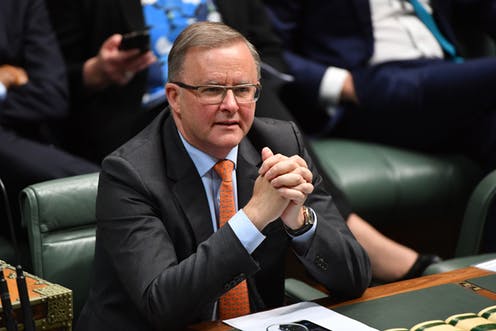
Australia will head to the polls on May 3, Prime Minister Anthony Albanese announced Friday, launching a five-week federal election campaign focused on cost-of-living pressures. The Labor leader, whose party won in 2022, faces a close contest with the opposition Liberal-National coalition, as recent polls show both sides nearly tied after preference redistribution.
Albanese met with Governor-General Sam Mostyn Friday morning to officially call the election, as required by Australia’s constitution. With three-year term limits, the latest possible election date is May 17.
In his campaign launch, Albanese said, “Australia is turning the corner. Now on May 3, you choose the way forward,” emphasizing government support amid global economic challenges. The Labor government has introduced recent tax cuts and family support measures, but rising inflation and interest rates have eroded Albanese’s popularity.
Opposition leader Peter Dutton is campaigning on housing affordability, linking the crisis to high immigration. He also proposes adopting nuclear energy, challenging Labor’s renewable energy transition, which he claims has raised electricity costs.
Both parties have pledged an additional A$8.5 billion over four years to strengthen public healthcare. Albanese reignited concerns over Medicare cuts under a possible Liberal-National government, referencing his personal experience with the public health system. Dutton responded by promising to match Labor’s Medicare funding.
Foreign policy also looms large, with Albanese touting engagement with former U.S. President Donald Trump’s team amid expected new tariffs on Australian exports. Without naming Trump, he criticized Dutton for “borrowing” policies that could harm public sector jobs and social programs.
As voters face rising costs and uncertain global trends, the May 3 election is shaping up to be one of Australia’s most tightly contested races in years.







