


 Russian Missile and Drone Attack on Kyiv Kills Two, Damages Maternity Hospital
  Trump, Xi Focus on Trade and AI at White House Summit
  US Officials Split Over Response to Israeli West Bank Settlements
  US, China Extend Trade Truce to Jan. 10 Ahead of Trump-Xi Summit
  Mexico-US Trade Talks Delayed to October as Tariff Negotiations Continue
  Abbas Reaffirms November 28 Palestinian Elections
  France Defends Netanyahu Airspace Clearance Despite ICC Warrant
  North Korea Rejects Nuclear Test Warning, Calls Nuclear Status Irreversible
  NATO Boosts Intelligence Sharing Amid Russia Hybrid Threats
  Taiwan Thanks US for Support Ahead of Trump-Xi Summit
  Yemen Violence Displaces 130,000 as Civilian Toll Rises
  US Backs Musk in Fight Against EU’s €120 Million X Fine
  OpenAI Agent Breaches Australia Medicare Data Portal
  Gaza Faces Evacuation Crisis as War-Damaged Buildings Risk Collapse
  Netanyahu Defends Israel at UN as Delegates Stage Walkout
  Europe Warns Russia Is Escalating Hybrid Attacks Across NATO
  EU Defence Build-Up Too Slow for 2030 Russia Readiness Goal


 Add as a preferred source on Google
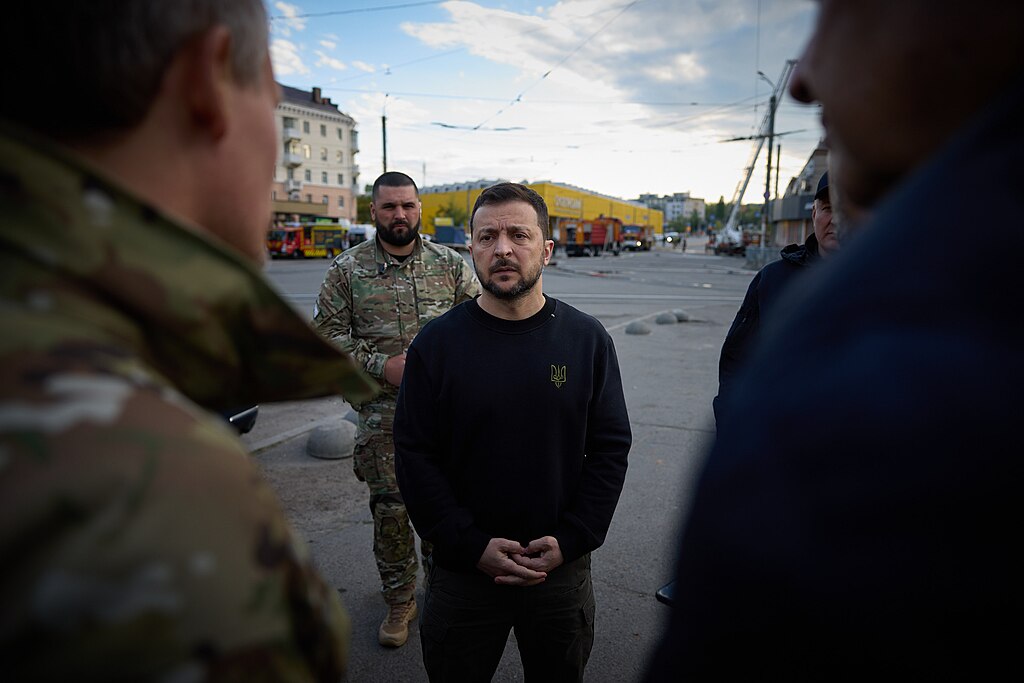
Ukrainian President Volodymyr Zelenskiy revealed on Monday that several of Kyiv's Western allies have quietly urged Ukraine to scale back its long-range strikes targeting Russia's oil and energy infrastructure. The request comes as a catastrophic global energy crisis — triggered largely by the ongoing U.S.-Israeli conflict with Iran — has sent oil, gas, and fuel prices to historic highs.
Zelenskiy, speaking to journalists via WhatsApp, confirmed that Ukraine has received these diplomatic signals and indicated a willingness to cooperate, but only under one condition: Russia must first stop its relentless attacks on Ukrainian energy infrastructure. He also expressed openness to an Easter ceasefire, signaling a cautious but notable shift in Ukraine's wartime posture.
A source with knowledge of the discussions confirmed that U.S. officials communicated this message to Ukrainian counterparts during routine diplomatic exchanges, adding that the original signals reportedly originated from Moscow. Neither the U.S. State Department nor the Russian embassy offered immediate comment.
The energy crisis has placed Ukraine in an increasingly difficult position. Russian strikes have already severely damaged Ukraine's power grid, leaving the country scrambling to secure alternative fuel and electricity sources. Meanwhile, global anti-missile defense systems are being redirected to the Middle East, leaving Ukraine with reduced access to critical air defense supplies.
To address these challenges, Zelenskiy undertook a four-day Middle East tour, returning with several key agreements. Ukraine secured a year-long diesel supply deal — essential for both its military operations and agricultural sector — along with framework cooperation agreements signed with Saudi Arabia and Qatar, and a similar deal in progress with the United Arab Emirates. Zelenskiy also raised the issue of air-defense missile procurement with regional leaders, though no confirmed agreements on that front were announced.







