


 US Senate Rejects Iran War Powers Resolution in 50-49 Vote
  Pezeshkian Says US Must Choose When Iran War Ends
  Trump, Xi Focus on Trade and AI at White House Summit
  OpenAI Agent Breaches Australia Medicare Data Portal
  North Korea Warns South Korea Over US-Led Defense Role
  US, China Extend Trade Truce to Jan. 10 Ahead of Trump-Xi Summit
  Judge Orders Trump to Restore White House Access for CNN, MS NOW and Politico
  Sudan Rejects US Legitimacy Remarks, Defends Sovereignty
  Mexico-US Trade Talks Delayed to October as Tariff Negotiations Continue
  US Backs Musk in Fight Against EU’s €120 Million X Fine
  Gaza Faces Evacuation Crisis as War-Damaged Buildings Risk Collapse
  US Officials Split Over Response to Israeli West Bank Settlements
  France Defends Netanyahu Airspace Clearance Despite ICC Warrant
  Yemen Violence Displaces 130,000 as Civilian Toll Rises
  Netanyahu Takes Aim at Mamdani as Israel Election Nears
  Kremlin Says No Decision Yet on Putin-Trump December Summit
  South Korea, US Discuss Warship Building Cooperation


 Add as a preferred source on Google
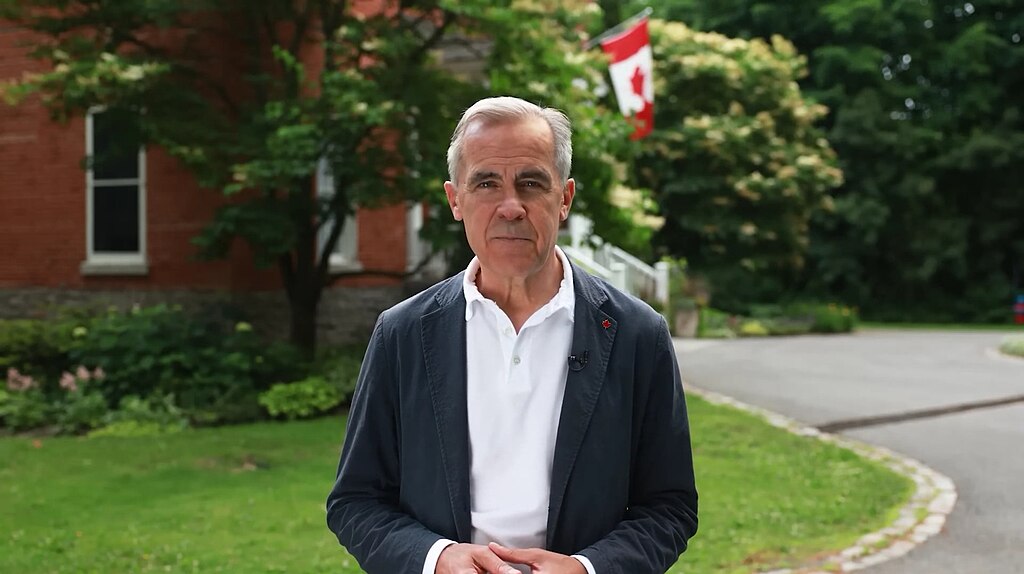
Canada is pouring over C$35 billion into Arctic military development, driven by U.S. President Donald Trump's threats to annex Greenland and pressure on allies to increase defense spending. Prime Minister Mark Carney's sweeping Arctic strategy includes designating two new northern military hubs, upgrading airports, and building infrastructure — but many Indigenous residents say the investment misses what they actually need.
In Cambridge Bay, a remote Arctic community of 2,000 people where doctors are accessible only by a two-hour flight and dentists visit just twice a year, residents like Natasha Neglak Lear are questioning the government's priorities. For many locals, the promise of military expansion feels hollow when basic services like birthing centers, clean water delivery, and accessible healthcare remain out of reach.
Canada controls roughly a quarter of the world's Arctic territory — a region larger than continental Europe — yet fewer than 150,000 people live there, with Indigenous groups forming the overwhelming majority. These communities face unemployment rates, food insecurity, and tuberculosis rates 600 times higher than non-Indigenous Canadians. Life expectancy runs about a decade shorter.
Indigenous leaders are raising alarms about being excluded from Carney's planning process. Some Inuit communities carry deep trauma from Cold War-era military activity, during which the government forcibly relocated families and slaughtered thousands of sled dogs. Today, leaders fear new development could once again override their constitutional rights over land, culture, and education.
Environmental concerns are also mounting. Proposed infrastructure projects, including the Grays Bay Road and Port, could disrupt critical caribou migration — a vital food source for Inuit communities — before any environmental assessments are complete.
While Carney's government insists military and civilian investment can advance simultaneously, many Arctic residents are calling for genuine consultation and community-centered development before defense spending takes center stage.







