


 Trump, Xi Focus on Trade and AI at White House Summit
  Netanyahu Defends Israel at UN as Delegates Stage Walkout
  OpenAI Agent Breaches Australia Medicare Data Portal
  RBI Uses $10 Billion Currency Swaps to Drain Excess Rupee Liquidity
  Judge Orders Trump to Restore White House Access for CNN, MS NOW and Politico
  Fed Unveils Stablecoin Rules Under GENIUS Act
  Oil Prices Ease as Iran Tensions Clash With Diplomacy Hopes
  US 10-Year Treasury Yield at 6% Emerges as New Market Risk Threshold
  EU Defence Build-Up Too Slow for 2030 Russia Readiness Goal
  European Stocks Slip as Iran Tensions Offset Strong Eurozone Data
  South Korea, US Discuss Warship Building Cooperation
  US, China Extend Trade Truce to Jan. 10 Ahead of Trump-Xi Summit
  Taiwan Thanks US for Support Ahead of Trump-Xi Summit
  Australia Unemployment Hits Five-Year High Despite Strong Jobs Growth
  Netanyahu’s Brief US Trip Highlights Strains With Trump
  Russian Envoy Dmitriev Heads to US for Ukraine Talks
  NATO Boosts Intelligence Sharing Amid Russia Hybrid Threats


 Add as a preferred source on Google
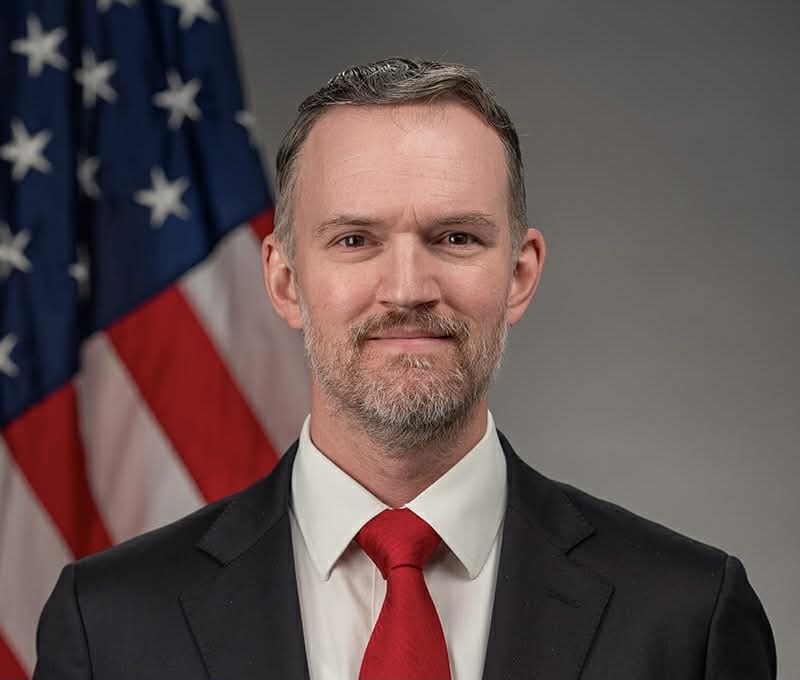
U.S. Trade Representative Jamieson Greer declared on Monday that the World Trade Organization will play only a marginal role in shaping future global trade policy, following a contentious ministerial meeting in Cameroon that ended in deadlock. Greer, a key architect of President Donald Trump's sweeping tariff strategy, voiced strong frustration over what he called a lack of seriousness among WTO member nations in pursuing meaningful reform.
The collapse of talks was largely triggered by Brazil and Turkey, who blocked an extension of a longstanding moratorium on e-commerce tariffs — a provision that had been routinely renewed for nearly three decades. The failure to extend this moratorium marked a significant turning point, signaling deep fractures within the multilateral trade body.
"I have always been skeptical of the value of the WTO, and this week's conference confirmed that this organization will play only a limited role in future global trade policy efforts," Greer stated in an official release issued roughly 24 hours after negotiations broke down.
Rather than pushing for internal WTO reform, Greer indicated Washington intends to pursue trade arrangements directly with like-minded nations outside the organization's framework. He noted that the U.S. has already secured commitments from dozens of countries — including nearly all major trading partners — to refrain from imposing tariffs on American digital transmissions.
Greer emphasized that if the WTO cannot reach agreement on what he described as a commonsense goal, the United States will build alternative coalitions to advance its trade agenda independently. This stance signals a broader U.S. shift away from multilateral institutions and toward bilateral and plurilateral trade diplomacy, potentially reshaping the architecture of international trade for years to come.







