


 Trump, Xi Visit US National Archives After White House Summit
  U.S. Treasury Yields Surge as 30-Year Hits 22-Year High
  Russian Envoy Dmitriev Heads to US for Ukraine Talks
  South Korea, US Discuss Warship Building Cooperation
  OpenAI Agent Breaches Australia Medicare Data Portal
  Abbas Reaffirms November 28 Palestinian Elections
  France Defends Netanyahu Airspace Clearance Despite ICC Warrant
  Saudi Arabia, Turkey and Pakistan Plan Urgent Defence Talks Over Houthi Attacks
  Taiwan Thanks US for Support Ahead of Trump-Xi Summit
  Pezeshkian Says US Must Choose When Iran War Ends
  Gold Prices Fall as Treasury Yields Rise on Fed Rate Hike Bets
  Wall Street Falls as Treasury Yields Surge, Oil Rebounds on Iran Tensions
  Dollar Holds Near Two-Month High as Yen Approaches 160
  Australia Unemployment Hits Five-Year High Despite Strong Jobs Growth
  U.S. 10-Year Treasury Yield Hits 2007 High as Fed Rate Hike Bets Rise
  Mexico-US Trade Talks Delayed to October as Tariff Negotiations Continue
  RBI Uses $10 Billion Currency Swaps to Drain Excess Rupee Liquidity


 Add as a preferred source on Google
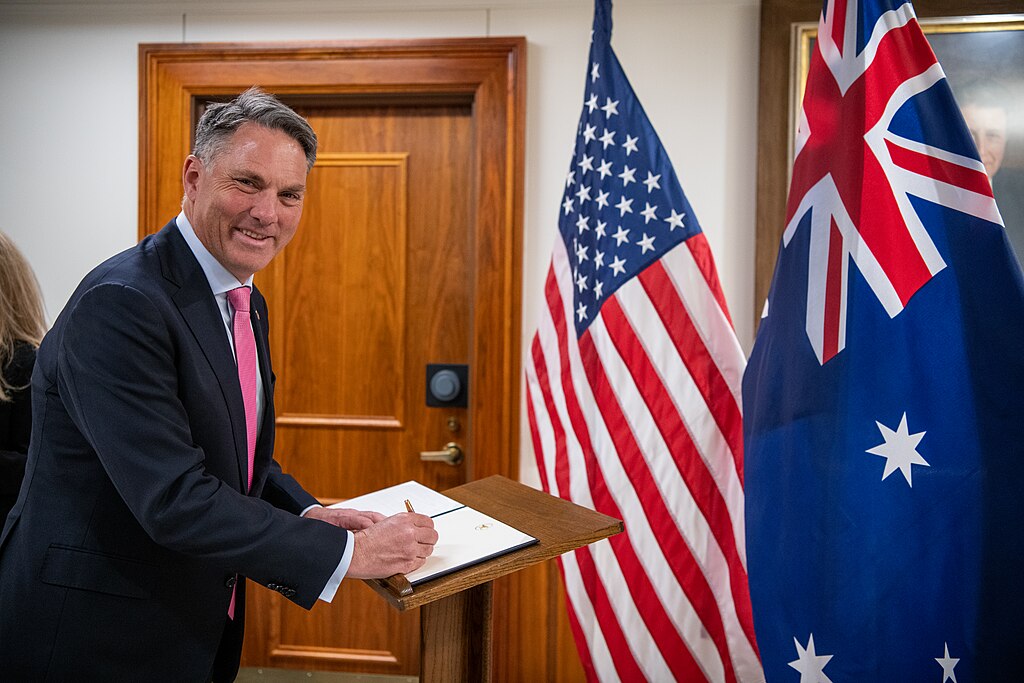
Australia is set to implement one of its most significant defence reforms in decades, with the government announcing a complete restructuring of the Department of Defence. Defence Minister Richard Marles confirmed that a new Defence Delivery Agency will be established, along with the appointment of a national armaments director, in an effort to streamline defence spending and boost project delivery efficiency. The reform initiative, which will begin in July next year, aims to address long-standing challenges in defence procurement and modernisation as Australia ramps up its national security strategy.
Under the new structure, the Defence Delivery Agency will absorb and merge three major existing groups: the Capability Acquisition and Sustainment Group, the Guided Weapons and Explosive Ordnance Group, and the Naval Shipbuilding and Sustainment Group. By consolidating these units, the government aims to simplify processes, reduce bureaucratic overlap, and speed up critical defence capabilities development. The newly formed agency will also report directly to the defence minister, allowing for faster decision-making and tighter oversight over multi-billion-dollar defence projects.
Marles emphasised that the shift is designed to deliver better outcomes for taxpayers and strengthen Australia’s defence readiness during a time of rapidly evolving regional dynamics. He noted that the reforms are expected to drive a “much bigger bang for buck” as the government plans to inject an additional A$70 billion into defence spending over the next decade. This investment is part of Australia’s broader push to enhance its military capabilities, expand advanced weapons production, and strengthen partnerships with allies.
The restructuring aligns with recommendations from recent defence strategic reviews that highlighted the need for more agile procurement, improved coordination, and better governance. By creating a unified delivery agency and appointing a national armaments director, Australia aims to address delays, cost overruns, and inefficiencies that have historically plagued defence programs. The government hopes the overhaul will ensure faster delivery of advanced technologies, bolster national security, and support Australia’s long-term defence strategy.







