


 Cogent Biosciences Soars 120% on Breakthrough Phase 3 Results for Bezuclastinib in GIST Treatment
  NASA and SpaceX Target Crew-11 Undocking From ISS Amid Medical Concern
  SpaceX Pivots Toward Moon City as Musk Reframes Long-Term Space Vision
  Trump and Merck KGaA Partner to Slash IVF Drug Costs and Expand Fertility Coverage
  SpaceX Prioritizes Moon Mission Before Mars as Starship Development Accelerates
  FDA Pilot Program Eases Rules for Nicotine Pouch Makers
  China vs. NASA: The New Moon Race and What's at Stake by 2030
  Neuralink Plans High-Volume Brain Implant Production and Fully Automated Surgery by 2026
  Trump Administration Releases New UFO Files and Apollo Mission Records
  Is space worth the cost? Accounting experts say its value can’t be found in spreadsheets
  Eli Lilly’s Inluriyo Gains FDA Approval for Advanced Breast Cancer Treatment


 Add as a preferred source on Google
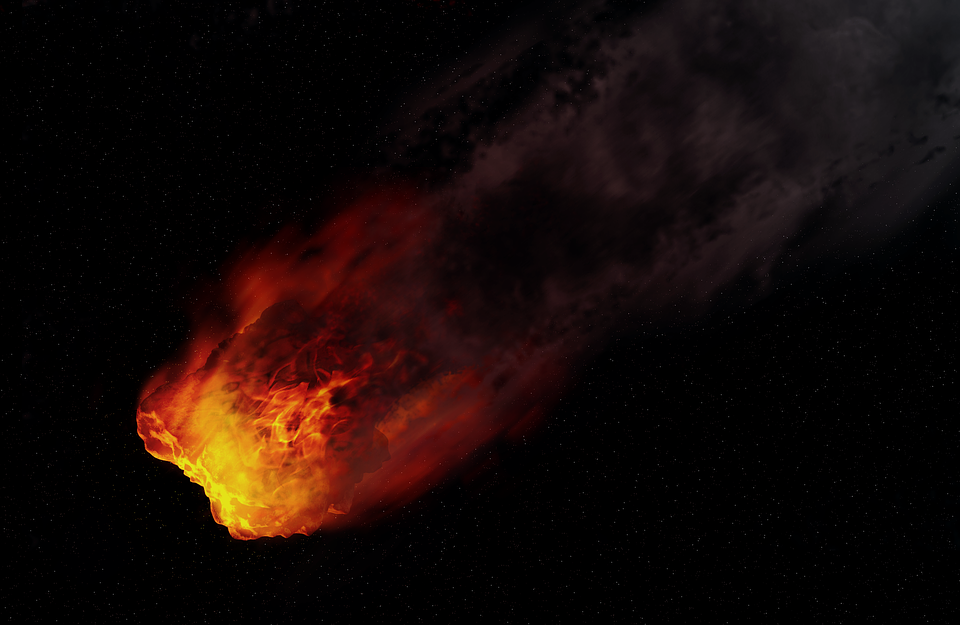
Space agencies and other astronomers are already monitoring certain asteroids that have been predicted to have a chance of colliding with the planet in the future. With the asteroid Apophis predicted to crash by 2068, scientists have come together to discuss its potential collision.
Astronomers from the Lunar and Planetary Institute held a meeting to discuss the potential collision of the asteroid Apophis in 2068 through what they plan to do when Apophis first flies by the planet in 2029. It is in learning all they can about Apophis in this fly by that they can determine what measures to take for 2068. This follows the prediction of an astronomer at the University of Hawaii predicting that the 370-meter asteroid could still hit Earth due to a small Yarkovsky acceleration.
“This workshop will explore the dynamical details and corresponding science opportunities presented by the April 13, 2029 near-miss passage of the asteroid Apophis,” said the institute. “Knowledge is the first line of planetary defense and the 2029 Apophis encounter is a once-per-thousand year opportunity for investigating an asteroid as large as 350 meters passing within 6 Earth-radii.”
Apophis weighs 27 billion kilograms, and should it hit Earth, it could leave a crater measuring over a mile in diameter with a depth of 518 meters. The impact from Apophis alone would be equal to 880 million tons of TNT being detonated or 65,000 times more powerful than the nuclear bomb that was dropped in Hiroshima, Japan.
Dinosaurs have been the victims of an asteroid impact millions of years ago, but it also poses the question of what would have happened to this species should there have been no asteroid impact. According to a study from the University of Bath and the Natural History Museum, the dinosaurs may still be alive today had the asteroid missed Earth. By analyzing the data of several family trees of dinosaur species, they also developed models to see how every species lived before the asteroid hit.
They found that the dinosaurs were thriving, and will have continued to do so should there have been no collision. Certain species like hadrosaurs and the horned ceratopsians were found to do better than others when it came to coping.







