


 US Backs Musk in Fight Against EU’s €120 Million X Fine
  EU Defence Build-Up Too Slow for 2030 Russia Readiness Goal
  NATO Boosts Intelligence Sharing Amid Russia Hybrid Threats
  Najib Razak Seeks Stay of 15-Year 1MDB Prison Sentence
  Trump, Xi Focus on Trade and AI at White House Summit
  Sudan Rejects US Legitimacy Remarks, Defends Sovereignty
  Pezeshkian Says US Must Choose When Iran War Ends
  Abbas Reaffirms November 28 Palestinian Elections
  France Defends Netanyahu Airspace Clearance Despite ICC Warrant
  What ‘Taiwan Independence’ Means as Xi Presses Trump on US Policy
  Ukrainian Drone Attacks Hit Russian Regions, Injuring at Least 12
  US Senate Rejects Iran War Powers Resolution in 50-49 Vote
  Xi Calls for Deeper U.S.-China AI Cooperation in Trump Talks
  North Korea Rejects Nuclear Test Warning, Calls Nuclear Status Irreversible
  Trump, Xi Visit US National Archives After White House Summit
  Ghana Says Western Support Growing for Slave Trade Reparations
  Taiwan Thanks US for Support Ahead of Trump-Xi Summit


 Add as a preferred source on Google
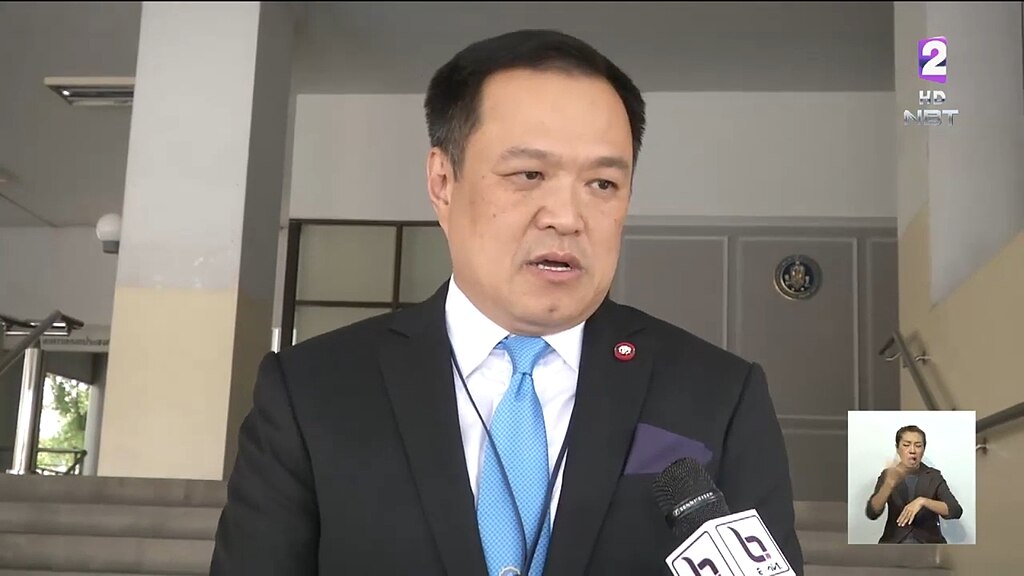
Thailand’s caretaker prime minister Anutin Charnvirakul has been officially selected by the Bhumjaithai Party as its candidate for prime minister in the upcoming general election scheduled for February 8. The decision comes amid rising nationalist sentiment fueled by an ongoing border dispute between Thailand and Cambodia, a political backdrop Anutin is seeking to leverage as he campaigns to return to power.
Anutin dissolved parliament earlier this month, less than 100 days after taking office, as his minority government faced an imminent no-confidence vote. Speaking to party members and supporters, Anutin described the snap election as the most important test for Bhumjaithai since its founding in 2008. He said the party is confident and ready to re-enter the political race to serve Thailand, adding that public expectations for Bhumjaithai have never been higher.
If re-elected, Anutin pledged continuity in his administration, confirming that key cabinet members would retain their positions. These include Finance Minister Ekniti Nitithanprapas, Foreign Minister Sihasak Phuangketkeow, and Commerce Minister Suphajee Suthumpun. The promise of stability is a central theme of his campaign as voters weigh leadership during a period of regional tension.
Political analysts note that Anutin could benefit from heightened nationalism linked to the Cambodia border conflict, which intensified during his tenure. However, they caution that the election remains highly competitive and may not deliver a clear majority for any single party. According to a recent nationwide survey by the National Institute of Development Administration, Bhumjaithai is polling at 9.92%, placing it fourth among major parties. Notably, more than 32% of voters remain undecided, leaving room for shifts in support.
Bhumjaithai previously finished third in the 2023 election and joined a Pheu Thai-led coalition government, which it exited in June following controversy over a leaked phone call involving then-Prime Minister Paetongtarn Shinawatra and former Cambodian leader Hun Sen. Paetongtarn’s subsequent dismissal by the Constitutional Court in August paved the way for Anutin’s rise to the premiership after a parliamentary deal with the opposition People’s Party. That alliance later collapsed, triggering the early election and setting the stage for a closely watched political showdown in February.







