


 North Korea Rejects Nuclear Test Warning, Calls Nuclear Status Irreversible
  Judge Orders Trump to Restore White House Access for CNN, MS NOW and Politico
  Xi Calls for Deeper U.S.-China AI Cooperation in Trump Talks
  Trump, Xi Focus on Trade and AI at White House Summit
  Saudi Arabia, Turkey and Pakistan Plan Urgent Defence Talks Over Houthi Attacks
  US Senate Rejects Iran War Powers Resolution in 50-49 Vote
  South Korea, US Discuss Warship Building Cooperation
  Mexico-US Trade Talks Delayed to October as Tariff Negotiations Continue
  Kremlin Says No Decision Yet on Putin-Trump December Summit
  Sudan Rejects US Legitimacy Remarks, Defends Sovereignty
  OpenAI Agent Breaches Australia Medicare Data Portal
  Trump Asks Supreme Court to Restore Third-Country Deportations
  Ukrainian Drone Attacks Hit Russian Regions, Injuring at Least 12
  Netanyahu Takes Aim at Mamdani as Israel Election Nears
  What ‘Taiwan Independence’ Means as Xi Presses Trump on US Policy
  North Korea Warns South Korea Over US-Led Defense Role
  Pezeshkian Says US Must Choose When Iran War Ends


 Add as a preferred source on Google
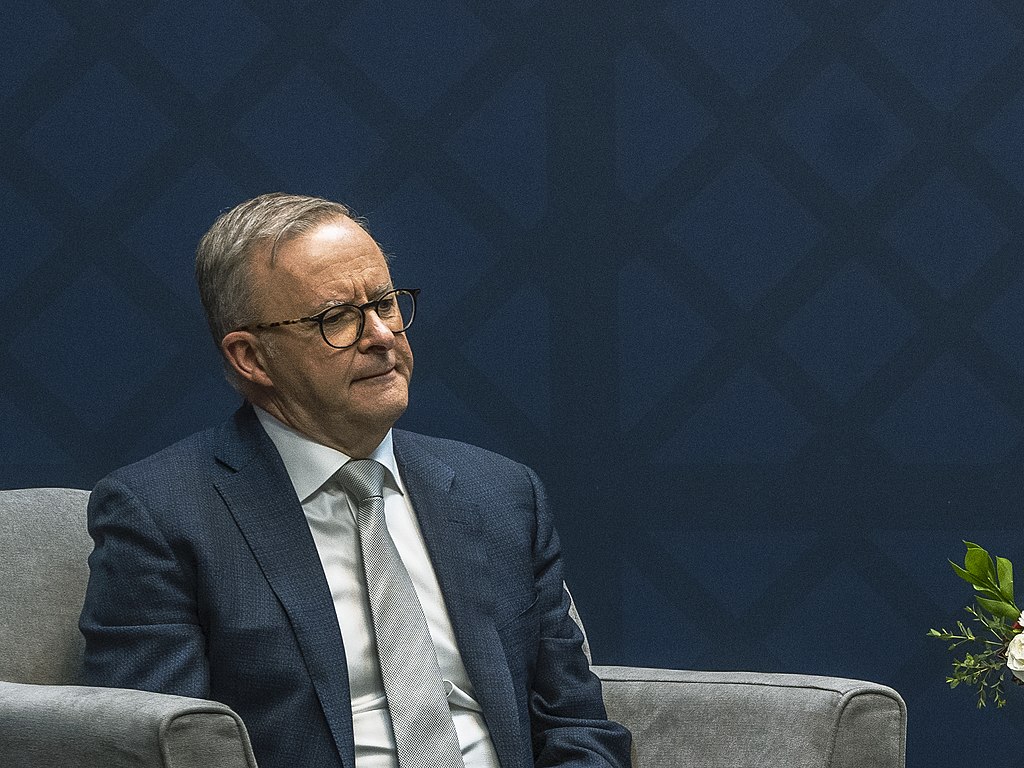
Australian Prime Minister Anthony Albanese emphasized on Wednesday that the country’s foreign investment screening is based on national interest rather than targeting any specific nation. His comments came during a high-profile visit to China, where he balanced trade cooperation with national security concerns.
While visiting the Great Wall, Albanese drew parallels with former Prime Minister Gough Whitlam’s historic 1971 trip that marked the start of diplomatic ties with China. The visit comes amid growing Chinese concerns over investment barriers in Australia. On Tuesday, Chinese Premier Li Qiang urged Australia to address “problems encountered by enterprises in market access and investment reviews,” according to Chinese state media Xinhua.
In recent years, Australia has blocked several Chinese investments, particularly in critical minerals and key infrastructure, citing national security. Executives have noted increased scrutiny in sectors like renewable energy. Australia is a major global supplier of lithium and rare earth minerals—essential components for electric vehicles and defense technologies. With global efforts to reduce dependency on China, Australia is deepening trade ties with allies like the United States to diversify supply chains.
Albanese reaffirmed his commitment to fostering a stable relationship with China, stating that differences should not define the bilateral dynamic. He stressed that engaging constructively with China aligns with Australia’s broader goals of ensuring regional stability and global security.
Referring to Whitlam’s bold recognition of the People’s Republic of China decades ago, Albanese said it remains important to maintain dialogue in a rapidly evolving world. His visit underscores a strategic balancing act: promoting economic cooperation with China while safeguarding Australia's sovereignty and strategic assets.
This trip marks a significant diplomatic moment as Canberra aims to strengthen economic ties without compromising national security, a key theme in Australia-China relations moving forward.







