


 Pentagon Launches Autonomous Warfare Command
  Israeli Settler Attack in West Bank Kills Palestinian
  Ukraine Deploys FP-7 Ballistic Missile in Combat for First Time
  Brazil Presidential Debate Canceled as Lula, Bolsonaro Skip Event
  US Waives Egypt Military Aid Conditions Over Iran War Role
  Iran Plans Stronger Response if US Attacks Resume
  California Leads Lawsuit Over Trump’s $810 Million Funding Cuts
  Netanyahu Says Israel May Join Flydubai Crash Attempt Probe
  New Zealand Election Raises Policy Uncertainty for Investors
  Flydubai Co-Pilot Tried to Crash Israel-Bound Jet, Netanyahu Says
  Trump Demands Powell Resign Over Fed Renovation Cost Overruns
  Trump Praises Boeing 737 Max After Flydubai Crash Attempt
  US Officials See China Taiwan Invasion Before 2028 as Less Likely
  Russia Warns NATO of Nuclear Response Over Kaliningrad
  US Alcohol Ban Exposes Canada’s Internal Trade Barriers
  US Appeals Court Keeps Trump IRS Case Sanctions in Place
  Netanyahu Vows Probe Into Foiled Flydubai Crash Attempt


 Add as a preferred source on Google
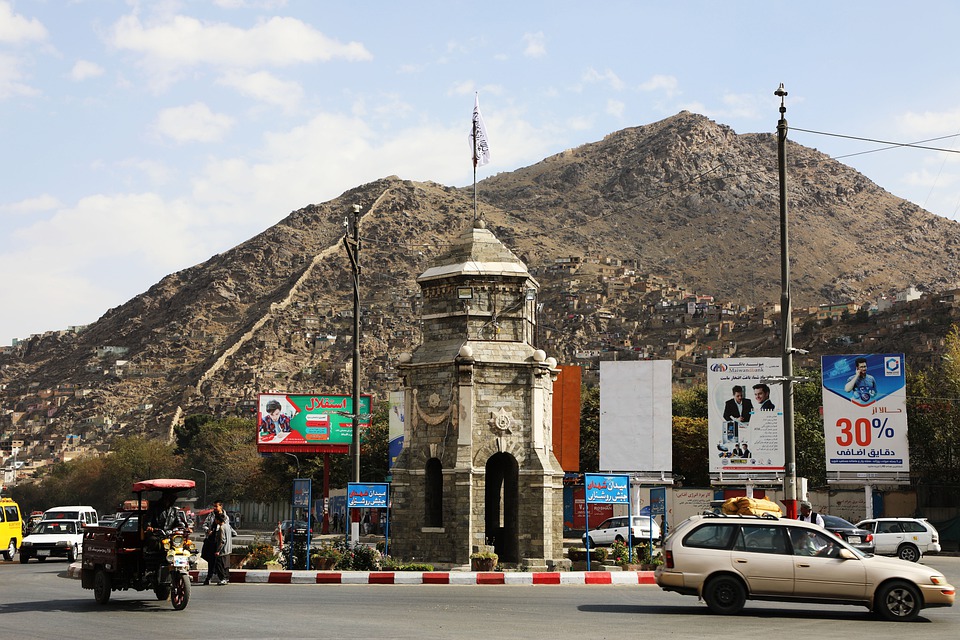
The international community has demanded that the Taliban uphold women’s rights, being one of the key issues with the insurgent group’s takeover of Afghanistan last year. A US diplomat has revealed that the Taliban has detained 29 women including their families in Kabul, raising concerns about citizens being detained indefinitely.
US envoy for Afghan women, girls, and human rights Rina Amiri said over the weekend that the Taliban have detained 29 women and their families in the capital of Kabul. Amiri also noted in a post on social media that the Taliban has seized 40 people Friday last week. While the post was eventually deleted, it falls in line with other accounts from sources confirming that a number of women were detained in Kabul.
This follows reports that also on Friday, the Taliban released a group of journalists, two of them foreign nationals, following the international backlash on the news of their detention. The insurgent group also released an activist who was reported to have disappeared following a women’s rights protest, after facing diplomatic pressure including from the UN secretary-general.
Other female activists, however, have not been released. Some of those activists were also taken from their homes in the middle of the night. The Taliban-backed police and interior ministry officials have denied playing a role in their arrests.
Human rights groups have condemned the disappearances, describing the incident as an act of intimidation by the insurgent group. This follows the restrictive policies the Taliban put in place since taking over Afghanistan last year. Among the restrictive policies against women were that girls were not allowed to pursue their secondary education and woman who are not allowed to work in fields outside of education and medicine.
“Every disappearance highlights one of the huge gaps in Afghanistan today, the lack of rule of law,” said Human Rights Watch associate women’s rights director Heather Barr. “This is not how you act when you are trying to be a government, and it highlights the callousness with which they seem to think they can just abduct women and sloppily deny it.”
The collapse of the western-backed Afghan government also affected the radio sector of the country. Hindustan Times reports that 86 radio stations in Afghanistan ceased since the Taliban took over the country. Media watchdog organizations reported that financial and political issues were the major reasons for the collapse of media in Afghanistan.







