


 Bessent Says Yen Moves Contained as BOJ Rate Decision Looms
  Finland’s Stubb Says Russia Unlikely to Attack NATO
  Nepal Declines Foreign Rescue Aid After Deadly Flash Flood
  Iran’s Khamenei Urges Muslim, Gulf Unity Against ‘Real Enemy’
  Iran Targets U.S. Forces in Jordan as Missiles Intercepted
  Iceland Counts Votes in Close EU Membership Talks Referendum
  Ukraine Seeks Early EU Funds to Cover $27B Defence Gap
  Norway’s King Harald Dies at 89, Haakon VIII Takes Throne
  Ukraine Eyes US Investment for New Defence Tech Fund
  Flavio Bolsonaro Pledges to Respect Brazil Election Result
  North Korea Vows to Strengthen Nuclear Arsenal Amid U.S. Tensions
  Bessent Urges G20 to Rethink China Trade Ties
  South Korea, Japan and US Plan Joint Military Drills
  South Korea Leveraged Chip ETF Trading Plunges After New Rules
  US Treasury Plans Weekly Iran Sanctions Push
  ICE Awards $16.7M Contract for Electric Shock Gloves


 Add as a preferred source on Google
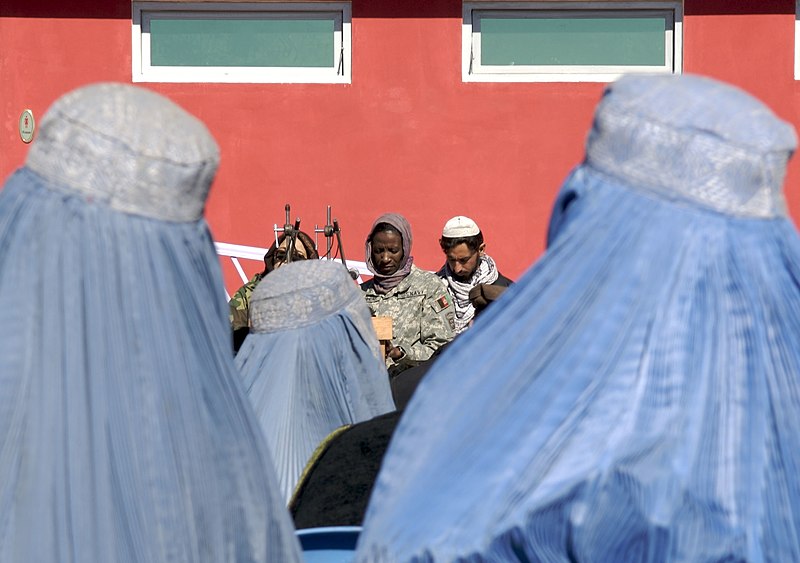
Since retaking control of Afghanistan in August 2021, the Taliban has increasingly placed restrictions on women and girls. A United Nations report found that the insurgent group’s treatment of women could amount to gender persecution.
A UN report presented to the Human Rights Council on Monday found that the Taliban administration’s policies on women could be considered gender persecution and could be considered a “crime against humanity.” The report by Un special rapporteur on Afghanistan Richard Bennett covered the situation in Afghanistan from July to December 2022.
“The Taliban’s intentional and calculated policy is to repudiate the human rights of women and girls and to erase them from public life,” Bennett told the UN Human Rights Council in Geneva. “It may amount to the international crime of gender persecution for which the authorities can be held accountable.”
Bennett also said the HRC should send a strong message to the Taliban that the “abysmal treatment of women and girls is intolerable and unjustifiable on any ground, including religion.”
“The cumulative effect of the restrictions on women and girls has a devastating, long-term impact on the whole population and is tantamount to gender apartheid,” said Bennett.
The report follows the latest policies by the Taliban that were introduced in December, barring women from participating in aid work. This resulted in most aid organizations to partially suspend their operations. The insurgent group has previously said it will uphold the rights of women and girls according to their interpretation of Islam.
Universities in Afghanistan have also reopened following a winter break, but the Taliban has maintained its policy of not allowing women to return. The Taliban imposed the ban, alleging that female students were flouting the strict dress code and the requirement to be accompanied by a male relative to and from the campus.
Most universities have already introduced gender-segregated classes and entrances, as well as only allowing female students to be taught by female professors or old men. While some Taliban officials have said the ban was temporary, they have failed to deliver on their promise to reopen secondary schools for girls, which have stayed closed for more than a year.







