


 New Zealand Election Raises Policy Uncertainty for Investors
  Netanyahu Vows Probe Into Foiled Flydubai Crash Attempt
  US Alcohol Ban Exposes Canada’s Internal Trade Barriers
  Lula Leads Flavio Bolsonaro 48%-45% in Datafolha Poll
  Trump Taps Dennis Rodman as Kim Jong Un Outreach Continues
  Brazil Presidential Debate Canceled as Lula, Bolsonaro Skip Event
  Trump Says He Raised Political Prisoners With Xi
  Ukraine Deploys FP-7 Ballistic Missile in Combat for First Time
  Flydubai Co-Pilot Tried to Crash Israel-Bound Jet, Netanyahu Says
  US Waives Egypt Military Aid Conditions Over Iran War Role
  US Waives $320M Egypt Military Aid Conditions After Iran War Role
  Israeli Settler Attack in West Bank Kills Palestinian
  Wicker Urges US to Uphold Taiwan Security Commitments
  Trump Praises Boeing 737 Max After Flydubai Crash Attempt
  Iran Plans Stronger Response if US Attacks Resume
  Putin Says Western Firms Could Regain Russian Assets
  Tsai Ing-wen to Visit US for Stanford Security Conference


 Add as a preferred source on Google
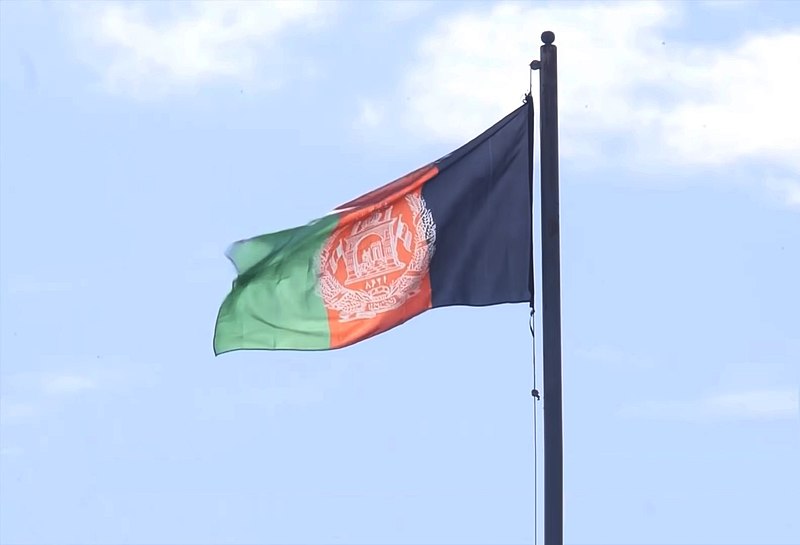
There are still tensions between Afghanistan and Pakistan in recent weeks due to clashes at the border and other areas. The Taliban’s acting defense minister has warned that there will be no tolerance for invasions by neighboring countries.
During a ceremony commemorating the anniversary of the death of Taliban founder Mullah Mohammad Omar, Mullah Mohammad Yaqoob, who is the acting defense minister of Afghanistan, issued a warning to neighboring countries against any attempts to invade, according to Reuters. This follows the protests against the airstrikes carried out by Pakistani forces in areas in Afghanistan.
The Taliban government blasted Pakistan for the deaths of Afghans in the Kunar and Khost provinces due to its airstrikes.
“We are facing problems and challenges from both the world and our neighbors, the clear example is invasion by them our territory in Kunar,” said Yaqoob. “We can’t tolerate the invasion. We have tolerated that because of national interests, next time we might not tolerate it.”
The Taliban has summoned Pakistan’s ambassador to Afghanistan over the recent airstrikes. Local officials have said the airstrikes killed around 36 people. The United Nations children’s agency said 20 children were among the fatalities in Khost and Kunar on April 16.
This comes amidst increasing clashes at the border that Afghanistan and Pakistan share. Pakistan’s military has since ramped up operations along the border in recent months out of frustration.
Aside from clashes with Pakistani forces, the insurgent group is also dealing with domestic attacks. There have been bombings in parts of Afghanistan, claimed by the Islamic State militant group. Last week, a bomb attack hit a Shi’ite mosque in the northern Afghanistan province of Mazar-i-Sharif, according to Reuters.
Local health officials said the attack killed at least 11 people.
Another blast occurred in Kunduz, also in northern Afghanistan. Both attacks occurred during the Islamic holy month of Ramadan, and took place two days after a blast hit a high school in the predominantly Shi’ite Hazara Muslim neighborhood in the western part of Afghanistan’s capital Kabul. The blast killed six people.
The Shi’ite Hazara community in Afghanistan is a frequent target by the Sunni Muslim militant groups.







