


 US Senate Rejects Iran War Powers Resolution in 50-49 Vote
  US, China Extend Trade Truce to Jan. 10 Ahead of Trump-Xi Summit
  Netanyahu Defends Israel at UN as Delegates Stage Walkout
  Mexico-US Trade Talks Delayed to October as Tariff Negotiations Continue
  Taiwan Thanks US for Support Ahead of Trump-Xi Summit
  Gaza Faces Evacuation Crisis as War-Damaged Buildings Risk Collapse
  Netanyahu Takes Aim at Mamdani as Israel Election Nears
  Russian Envoy Dmitriev Heads to US for Ukraine Talks
  Trump, Xi Focus on Trade and AI at White House Summit
  Yemen Violence Displaces 130,000 as Civilian Toll Rises
  Ghana Says Western Support Growing for Slave Trade Reparations
  Russian Missile and Drone Attack on Kyiv Kills Two, Damages Maternity Hospital
  Judge Orders Trump to Restore White House Access for CNN, MS NOW and Politico
  Kremlin Says No Decision Yet on Putin-Trump December Summit
  OpenAI Agent Breaches Australia Medicare Data Portal
  France Defends Netanyahu Airspace Clearance Despite ICC Warrant
  Trump Asks Supreme Court to Restore Third-Country Deportations


 Add as a preferred source on Google
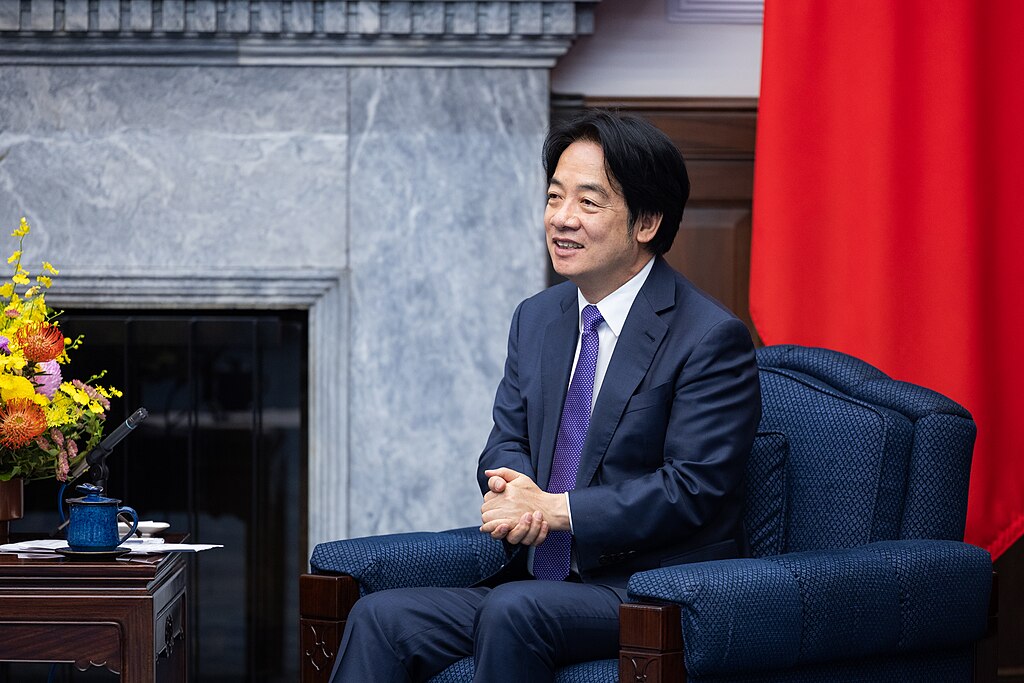
China’s President Xi Jinping recently warned that disagreements over Taiwan could seriously damage U.S.-China relations, once again placing the Taiwan independence issue at the center of global politics. Taiwan, officially called the Republic of China (ROC), has a long and complex history shaped by colonial rule, civil war, and ongoing geopolitical conflict.
Taiwan was governed by the Qing dynasty before becoming a Japanese colony in 1895. After World War II, control returned to the Republic of China government. In 1949, after losing the Chinese Civil War to Mao Zedong’s Communist forces, the ROC government relocated to Taiwan while the People’s Republic of China (PRC) was established in Beijing. Since then, both governments have claimed legitimacy over China and Taiwan.
Today, Taiwan functions as a self-governing democracy with its own military, passport, currency, and elected leaders. However, most countries, including the United States, do not officially recognize Taiwan as an independent nation due to the “One China” policy. The U.S. switched diplomatic recognition from Taipei to Beijing in 1979 but continues to support Taiwan through the Taiwan Relations Act, including arms sales for defense purposes.
China strongly opposes any move toward formal Taiwan independence and has not ruled out the use of military force. Beijing also cites the 2005 Anti-Secession Law as legal justification for action if Taiwan seeks permanent separation. Meanwhile, Taiwan’s government argues that the island is already sovereign and that Beijing has never governed it.
Although discussions about creating a formal “Republic of Taiwan” occasionally emerge, constitutional changes would require overwhelming parliamentary and public approval, making such a move politically difficult. Public opinion polls in Taiwan consistently show that most citizens prefer maintaining the current status quo rather than pursuing immediate unification or formal independence.







