


 South Korea’s Weak Won Struggles as Retail Investors Pour Money Into U.S. Stocks
  Gold Prices Slide Below $5,000 as Strong Dollar and Central Bank Outlook Weigh on Metals
  Thailand Inflation Remains Negative for 10th Straight Month in January
  China Extends Gold Buying Streak as Reserves Surge Despite Volatile Prices
  South Korea Assures U.S. on Trade Deal Commitments Amid Tariff Concerns
  RBI Holds Repo Rate at 5.25% as India’s Growth Outlook Strengthens After U.S. Trade Deal
  Singapore Budget 2026 Set for Fiscal Prudence as Growth Remains Resilient
  Vietnam’s Trade Surplus With US Jumps as Exports Surge and China Imports Hit Record
  MAS Holds Monetary Policy Steady as Strong Growth Raises Inflation Risks
  BOJ Policymakers Warn Weak Yen Could Fuel Inflation Risks and Delay Rate Action
  Federal Reserve Faces Subpoena Delay Amid Investigation Into Chair Jerome Powell


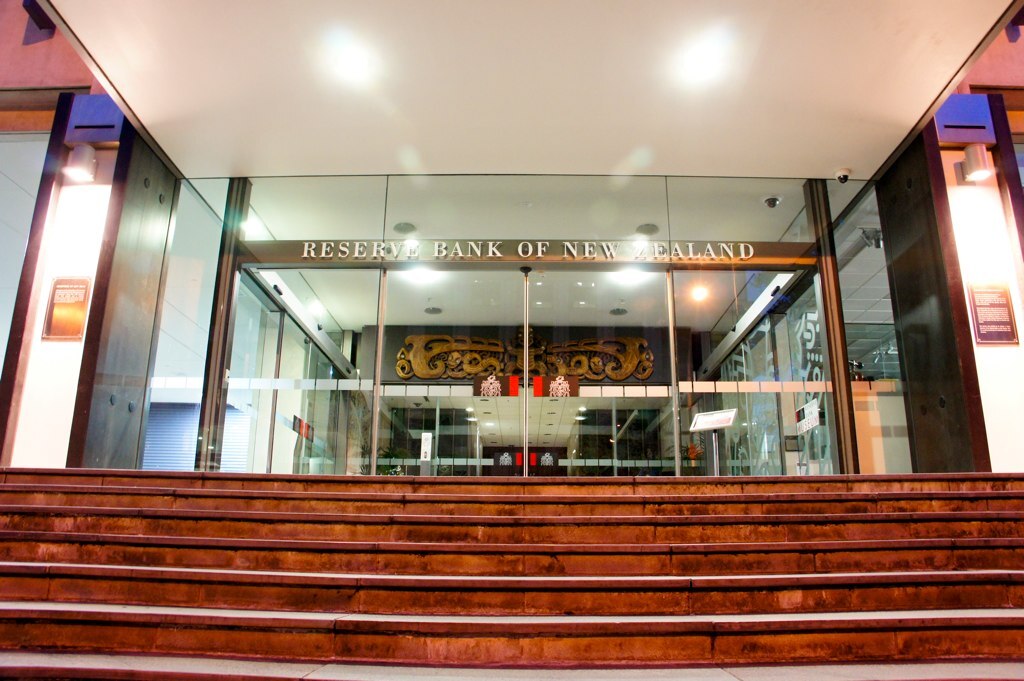
Former Reserve Bank of New Zealand (RBNZ) Governor Adrian Orr stepped down in March due to unresolved tensions with the Treasury over deep budget cuts, official documents revealed Wednesday. Orr reportedly considered the proposed funding “a considerably lesser amount” than necessary to sustain the bank’s operations, leading to personal distress and concerns about damaging internal relationships.
The documents, released under the Official Information Act, stated that the deadlock ultimately drove Orr to conclude he had achieved all he could as Governor and could not continue under the constrained financial conditions.
Finance Minister Nicola Willis announced in April that the RBNZ’s operating budget would be slashed by about 25% for the upcoming fiscal year, setting a new annual limit of NZ$150 million (approx. $90.9 million) for the next five years. Orr’s sudden resignation ended a turbulent seven-year term marked by aggressive rate hikes that pushed New Zealand into one of its deepest recessions since 1991.
The current National Party-led government under Prime Minister Christopher Luxon had been openly critical of Orr’s policies during its time in opposition, blaming him for surging inflation and the recession that followed. In 2022, when Orr was reappointed for a second term, then-opposition finance spokesperson Willis labeled the decision a “serious mistake” and demanded an independent review of the central bank’s monetary response to the COVID-19 crisis.
Despite speculation, the RBNZ clarified that discussions between Orr and Willis regarding bank regulatory capital levels were not directly related to Orr’s resignation.
Orr’s exit has intensified scrutiny over the RBNZ’s independence and future direction, with political tensions and fiscal tightening reshaping New Zealand’s central banking landscape.













