


 Russian Attack on Balakliia Kills Two, Injures Two
  Asian Gold Stocks Rise as Bullion Rebounds on Softer Dollar
  Mexico Pushes for US Trade Deal Before Midterms
  North Korea Vows to Expand Nuclear Arsenal Amid U.S.-Led Military Buildup
  BOJ Raises Interest Rate to 31-Year High as Yen Weakens
  Japan, U.S. Discuss $19 Billion GlobalFoundries Chip Plant
  Pentagon Restarts Testosterone Testing for US Troops
  Trump Bans CNN, MS NOW and Politico From White House
  Asian Chip Stocks Rally as Treasury Yields Ease
  Gold Prices Rise as Oil and Treasury Yields Fall
  US Officials Meet Houthis in Oman Amid Yemen Offensive
  South Korea Producer Prices Rise 0.2% in August
  Venezuela Nears Deal to Move $4 Billion in Gold to New York Fed
  Yen Sinks as BOJ Rate Hike Fails to Impress Markets
  Bessent Presses Japan on Fiscal Policy as Yen Struggles
  US Allies Fear Trump Could Soften Taiwan Stance in Xi Talks
  UN Allows Mahmoud Abbas Video Address After US Visa Denial


 Add as a preferred source on Google
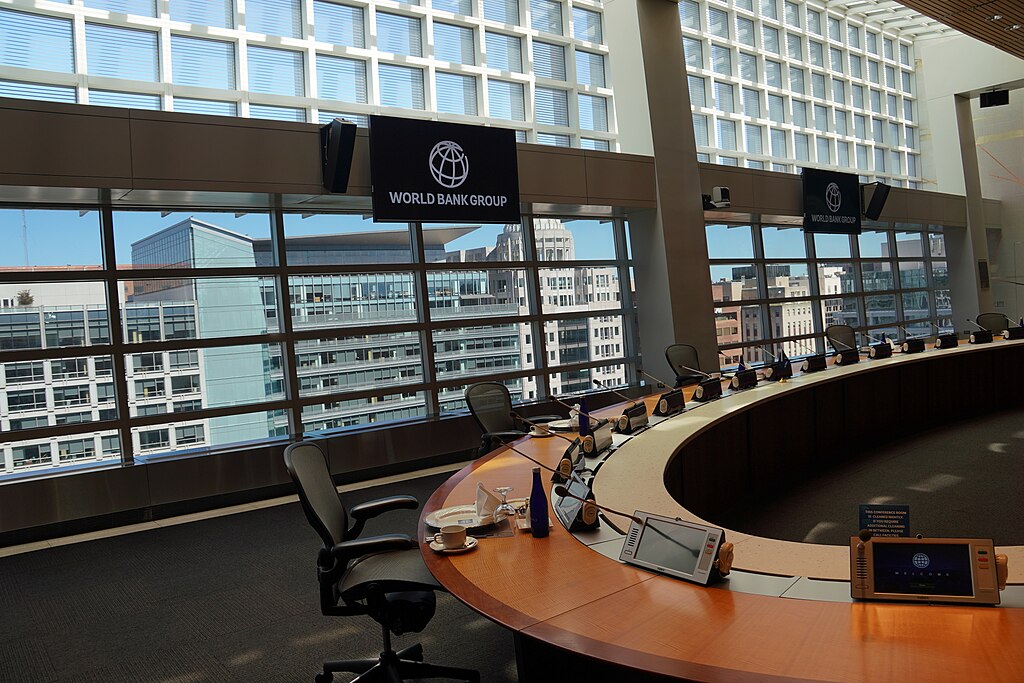
Twenty-seven countries have moved to unlock emergency financing from existing World Bank programs following the economic shock caused by the ongoing Iran conflict, according to an internal document reviewed by Reuters. The rapid escalation highlights growing concerns among developing economies over energy disruptions, inflation, and supply chain instability.
The confidential memorandum did not identify the countries involved or reveal the total amount of funding being requested. However, it stated that three nations have already finalized and approved new contingent financing instruments since the conflict began on February 28, while another 24 countries are still completing administrative procedures.
The Iran war has significantly disrupted global energy markets and interrupted fertilizer shipments critical to many developing nations. As a result, countries heavily dependent on fuel imports and agricultural supplies are facing mounting economic pressure.
Kenya and Iraq are among the countries publicly confirming efforts to secure fast financial assistance from the World Bank. Kenya is struggling with rising fuel costs that are driving domestic inflation, while Iraq is dealing with falling oil revenues caused by export disruptions linked to regional maritime instability.
The 27 countries are part of a larger group of 101 nations that already have access to the World Bank’s pre-arranged emergency financing mechanisms. Among these tools is the Rapid Response Option, which allows governments to quickly redirect up to 10% of undisbursed funds from existing World Bank projects during times of crisis.
World Bank President Ajay Banga recently stated that the institution’s revamped crisis response framework could provide between $20 billion and $25 billion in rapid financing through contingent credit lines and emergency facilities. He also noted that the bank could potentially redirect up to $60 billion from its wider lending portfolio within six months.
Meanwhile, IMF Managing Director Kristalina Georgieva previously estimated that up to a dozen countries might seek emergency aid ranging from $20 billion to $50 billion. However, sources familiar with the matter said few formal IMF requests have been submitted so far, as many governments prefer World Bank financing due to the IMF’s stricter fiscal reform requirements.







