


 Mojtaba Khamenei’s Absence Fuels Iran Leadership Doubts
  Nvidia Reportedly Eyes $13 Billion Hugging Face Acquisition
  HP Stock Drops 9% Despite Q3 Earnings Beat and Raised 2026 Outlook
  South Korea, Japan and US Plan Joint Military Drills
  Iran Weighs Conditions to Reopen Strait of Hormuz
  South Korea Leveraged Chip ETF Trading Plunges After New Rules
  Luxshare Shares Rise as First-Half Profit Jumps 18%
  SK Biopharmaceuticals Secures Global Rights to Biohaven Epilepsy Drug Opakalim
  OpenAI AI Agent Swarm Behind Hugging Face Hack
  Iran Condemns New US Sanctions as Hormuz Standoff Deepens
  Bessent Defends US Yen Intervention Over Treasury Market Risks
  PayPal Shares Sink as $50 Billion Takeover Bid Collapses
  U.S. Probes Apex Logistics Over Nvidia AI Chip Shipments to China
  Salesforce Shares Surge as AI Demand Powers Q2 Earnings Beat
  U.S. Disrupts China-Linked Hacking Campaign Targeting Government Agencies
  Nvidia Pauses AI Cloud Financing Deals Amid Antitrust Concerns
  Google Expands Gemini Enterprise With AI Tools for Legal Sector


 Add as a preferred source on Google
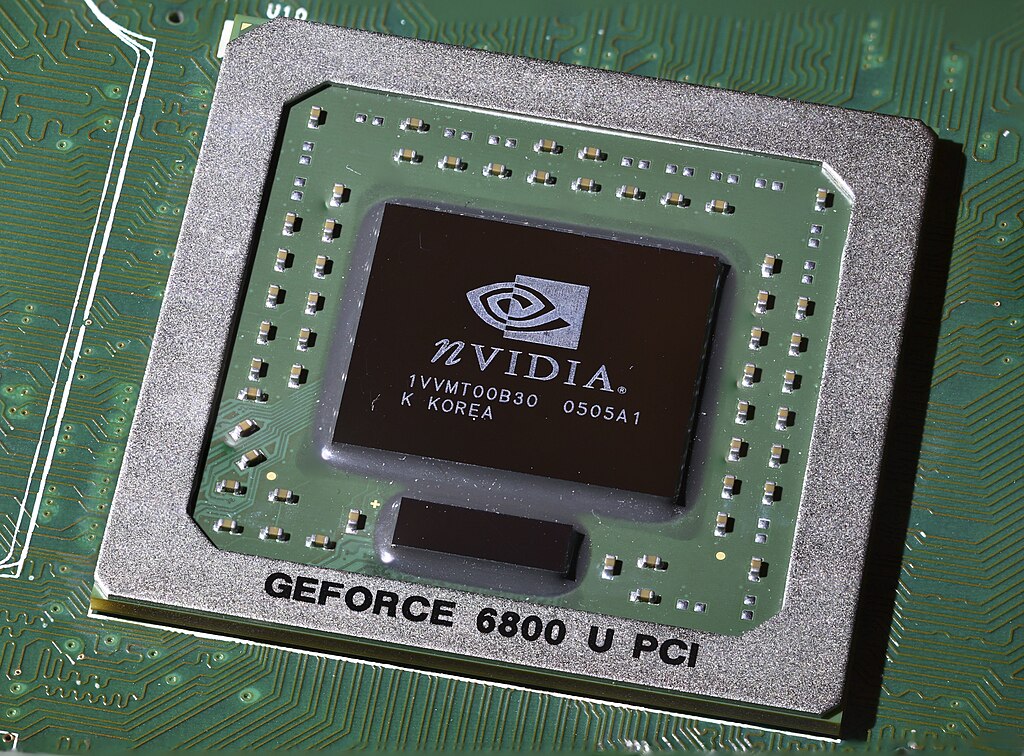
The White House has reportedly barred Nvidia from selling its latest artificial intelligence (AI) chips to China, intensifying U.S. restrictions on the export of advanced computing technology. According to The Information, which cited three sources familiar with the matter, the Biden administration has informed federal agencies that Nvidia’s new scaled-down chip, known as the B30A, cannot be sold to Chinese customers.
Despite the ban, Nvidia has already distributed samples of the B30A to several companies in China. The chip is designed to power high-performance computing and can train large language models (LLMs) when configured in large-scale clusters—technology that is crucial for many Chinese AI firms striving to compete globally.
The U.S. government’s decision is part of a broader strategy to curb China’s access to advanced semiconductor technologies that could enhance its AI and military capabilities. Washington has previously imposed multiple rounds of restrictions on Nvidia and other chipmakers to limit the transfer of cutting-edge processors that can accelerate AI development.
In response, Nvidia is reportedly working to redesign the B30A chip to comply with U.S. export regulations. Two Nvidia employees told The Information that the company hopes the modifications will persuade the administration to ease its stance.
A spokesperson for Nvidia told Reuters that the company currently has “zero share in China’s highly competitive market for datacenter compute” and does not include China in its business guidance. The White House has not yet commented on the report.
The move underscores the growing tensions between the U.S. and China over AI and semiconductor technologies, with Washington aiming to maintain its leadership in the global AI race while limiting China’s access to advanced computing power.







