


 Anthropic’s Claude Discovers CRISPR-Like Enzyme System
  Microsoft Stock Upgraded as Stifel Sees Stronger Azure Growth
  Burnham Eyes UK Leadership Role in AI Ahead of Trump Meeting
  Meta Partners With Shopify to Bring Shop Pay Checkout to Muse AI
  Former OpenAI Data Center Chief Chris Malone Joins Nvidia
  Meta Unveils Muse Charm AI Device, Expands Smart Glasses Lineup
  Oracle Shares Fall as New Mexico AI Data Center Faces Power Delays
  BlackBerry Shares Rise as Q2 Earnings, Revenue Beat Estimates
  Jeff Bezos Invests $32 Billion in Blue Origin as Space Firm Targets Major Growth
  Xi Calls for Deeper U.S.-China AI Cooperation in Trump Talks
  OpenAI Urges US-Led Global Standards for Frontier AI
  Scott Bessent Eyed as Trump’s New AI Czar
  US Backs Musk in Fight Against EU’s €120 Million X Fine
  NASA, Boeing Discuss Expanding Starliner Missions
  SpaceX Nasdaq 100 Weight to More Than Double in Rebalance
  SoftBank Raises $11.1 Billion in Bond Sale to Fund OpenAI Investment


 Add as a preferred source on Google
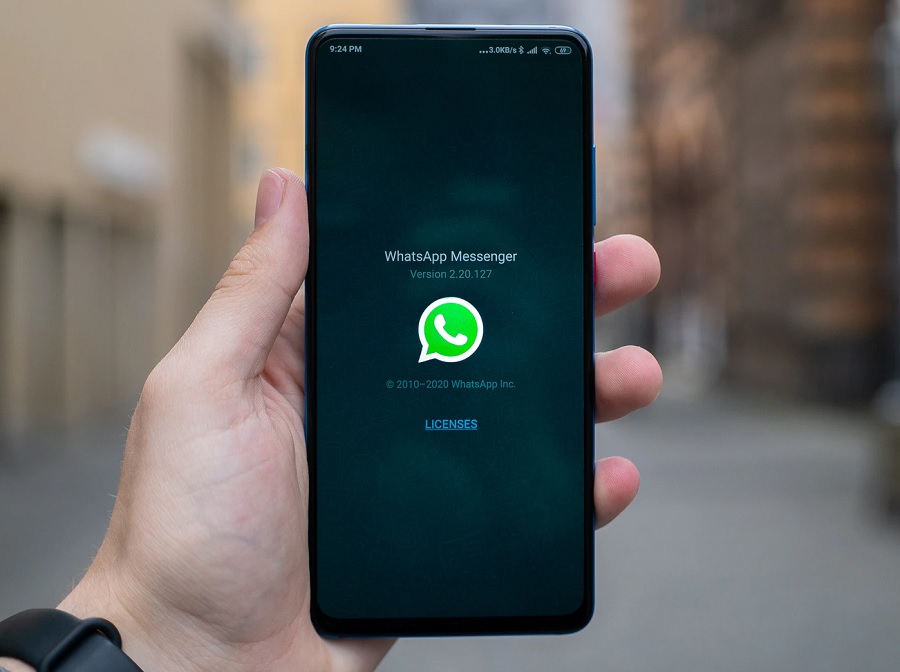
WhatsApp has once again changed its plans on dealing with users who still refuse to accept its new privacy policy implemented earlier this month. The Facebook-owned messaging app now says it does not plan on limiting functionality after discussions with authorities and experts.
The company previously said WhatsApp users who fail to accept its new privacy policy would eventually have limited access to the app’s features. However, significant changes were recently spotted in the app’s guidelines after the new privacy policy took effect last May 15.
Now, under the “What happens after the effect date?” section, the WhatsApp support page says, “We currently have no plans for these reminders to become persistent and to limit the functionality of the app.” This is about the third time WhatsApp changed its course of actions concerning the May 15 update.
In February, the company warned users who will not agree to the new rules would soon lose access to the app’s features. Earlier this month, WhatsApp changed its guidelines to say the reminder to accept the new policy would be more persistent for a few weeks after May 15.
After the “persistent reminder,” users would get “limited functionality” that would have entailed losing access to the chat list. Replying to messages and answering calls would have been only available via the notification panel. The full changes can be compared through an Internet Archive version of the WhatsApp support page, as first reported by Tom’s Guide.
“Given recent discussions with various authorities and privacy experts, we want to make clear that we currently have no plans to limit the functionality of how WhatsApp works for those who have not yet accepted the update,” WhatsApp told The Next Web. But given how the guidelines have changed over the previous months, it would not be surprising if the messaging app later changes its approach to users who do not like the new policy.
Germany’s Hamburg Commissioner for Data Protection and Freedom of Information (HmbBfDI) was one of the government agencies that blocked WhatsApp’s May 15 update. In its official ruling, the commission notably said, “Consent is not freely given, since WhatsApp demands acceptance of the new provisions as a condition for the continued use of the service's functionalities.”
In the current version of the post-May 15 guidelines, WhatsApp reiterates it does not intend to delete accounts of users who have yet to agree to the new policy. However, the page still includes a reminder about WhatsApp’s separate policy on inactive users that states, “Accounts are generally deleted after 120 days of inactivity.”
Photo by Mika Baumeister on Unsplash







