


 Russian LNG Shadow Fleet Expands Amid Arctic LNG 2 Sanctions
  Vietnam Plans AI-Driven Propaganda Push With Influencers and Podcasts
  Trump Inspects Lincoln Memorial Reflecting Pool Renovation in Washington
  Ukraine-Russia Ceasefire Confirmed as Prisoner Swap Deal Advances
  US Revises UN Resolution on Iran Strait of Hormuz Attacks Amid Russia-China Opposition
  U.S.-China Beef Trade Deal Hopes Rise Ahead of Trump-Xi Summit
  Lula and Trump Talks Signal New Phase in Brazil-US Relations
  Judge Rules DOGE Humanities Grant Cuts Unconstitutional
  Malaysia Unveils Energy Security Plan Amid Iran Conflict and Rising Oil Costs
  China-Made Fireworks Power U.S. Independence Day Celebrations Amid Trade Truce
  Australia’s Wealthy Donors Shift Support to One Nation Amid Conservative Party Decline
  Trump Invites Top CEOs Including Nvidia, Apple, Boeing to China Summit With Xi Jinping
  Trump-Xi Beijing Summit to Focus on Trade, Taiwan, and Boeing Deal
  Qatar LNG Tanker Crosses Strait of Hormuz Amid Iran War Tensions
  Mexico President Claudia Sheinbaum Reconsiders Early School Closure Plan Ahead of 2026 World Cup
  U.S., South Korea Launch Shipbuilding Partnership Initiative
  TikTok Nears $400 Million Settlement With Trump Administration Over Child Privacy Lawsuit


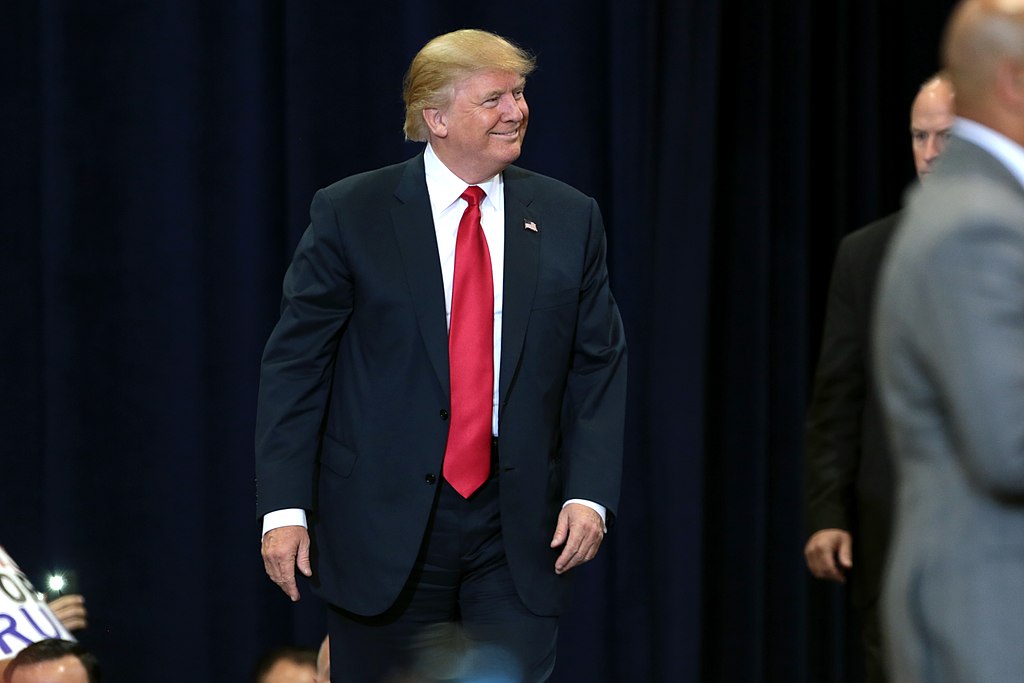
As President-elect Donald Trump prepares to take office in January 2025, digital privacy has emerged as a contentious issue on his policy agenda. Amid growing concerns over data breaches, surveillance, and cybersecurity threats, Trump’s administration aims to reshape the digital privacy landscape, balancing national security with individual freedoms.
According to sources within the administration, Trump’s policies will prioritize stricter government oversight of tech companies while enhancing data protection standards. However, critics argue that these measures may infringe on personal privacy, sparking widespread debate about the implications for everyday Americans and the broader tech industry.
Trump’s administration has signaled plans to expand the federal government’s ability to access encrypted data in cases of national security. Advocates for the policy argue that it is critical for combating cybercrime and terrorism, but opponents warn that it could lead to unwarranted surveillance and weakened data encryption standards.
Striking a Balance Between Privacy and Security
The core of Trump’s digital privacy policy revolves around revisiting Section 230 of the Communications Decency Act, which provides liability protections for online platforms. The administration has called for reforming the legislation to hold tech companies accountable for misuse of user data. By increasing transparency requirements and imposing stricter penalties for data breaches, Trump’s team believes these reforms will restore trust in digital platforms.
At the same time, Trump’s proposal to mandate “backdoors” in encrypted communications for law enforcement agencies has drawn criticism from privacy advocates. Cybersecurity experts argue that such backdoors could weaken encryption for everyone, making systems more vulnerable to exploitation by malicious actors. Additionally, civil rights organizations have raised concerns about the potential misuse of surveillance tools to target marginalized communities or political opponents.
Despite these criticisms, the administration remains steadfast in its approach. Trump’s advisors argue that national security must take precedence over individual privacy concerns in an era of sophisticated cyber threats. They cite recent high-profile ransomware attacks as evidence of the need for stronger government intervention in the digital realm.
Public Reaction and Social Media Debate
Trump’s digital privacy policies have ignited a firestorm of opinions online, with netizens divided over the implications of his proposals.
- @TechAdvocate: “Trump’s encryption backdoor plan is a disaster waiting to happen. Privacy isn’t negotiable. This sets a dangerous precedent.”
- @PatriotForSecurity: “Finally, a leader who’s willing to take action on cybersecurity! We need stronger tools to stop criminals and terrorists.”
- @DataRightsNow: “The government accessing our encrypted messages? That’s not security; that’s Orwellian surveillance!”
- @FreedomDefender2025: “Reforming Section 230 is long overdue. Big Tech has abused its power for too long.”
- @CryptoGuru: “Mandatory encryption backdoors will break the internet’s security. Hackers will love this.”
- @LibertyWatchDog: “We can’t trust the government with this kind of power. Privacy rights are human rights!”







