


 US Revises UN Resolution on Iran Strait of Hormuz Attacks Amid Russia-China Opposition
  Ukraine-Russia Ceasefire Confirmed as Prisoner Swap Deal Advances
  Trump Expands Cuba Sanctions Targeting Key Sectors and Foreign Entities
  U.S. Sanctions Former DR Congo President Joseph Kabila Over Rebel Support
  Trump Inspects Lincoln Memorial Reflecting Pool Renovation in Washington
  Australia Targets Meta, Google, and TikTok With New News Payment Tax Proposal
  TikTok Nears $400 Million Settlement With Trump Administration Over Child Privacy Lawsuit
  White House Withdraws Trump’s National Park Service Nominee Amid Criticism
  UN Experts Condemn Trump’s Cuba Fuel Blockade Amid Deepening Energy Crisis
  China Banks Halt New Loans to Sanctioned Refineries Amid U.S.-Iran Oil Crackdown
  Trump Administration Dismisses Entire National Science Board, Raising Concerns Over Scientific Independence
  CDC Monitors U.S. Travelers After Hantavirus Outbreak on Luxury Cruise Ship
  FEMA Reinstates Employees After Dissent Letter, Signaling Shift in Workforce Stability
  U.S.-China Beef Trade Deal Hopes Rise Ahead of Trump-Xi Summit
  Judge Rules Use of Military Lawyers in Civilian Prosecutions Is Lawful
  Senate Stablecoin Bill Sparks Clash Between Banks and Crypto Industry
  Mexico President Claudia Sheinbaum Reconsiders Early School Closure Plan Ahead of 2026 World Cup


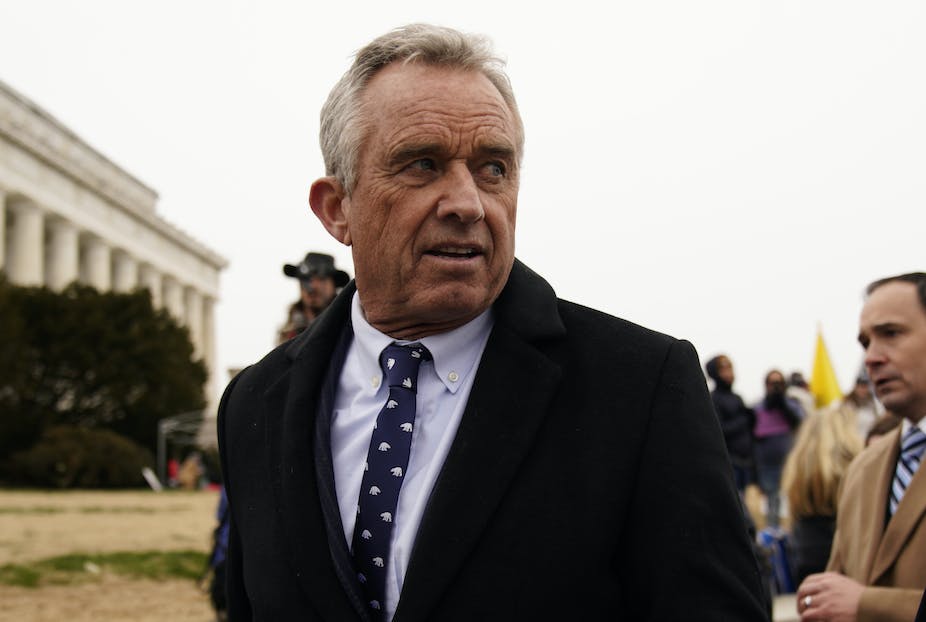
West Virginia has become the first U.S. state to ban artificial food dyes and seek restrictions on soda purchases with food stamps, aligning with health priorities championed by U.S. Health and Human Services Secretary Robert F. Kennedy Jr.
Governor Patrick Morrisey signed the new legislation on Friday at a high school in Martinsburg, joined by Kennedy and school children. The law bans seven food dyes, initially impacting school lunches starting in August, before expanding to all food products sold statewide next year. Details on enforcement are yet to be announced.
Morrisey also announced that the state is requesting a federal waiver to restrict the purchase of soda using Supplemental Nutrition Assistance Program (SNAP) benefits. Kennedy voiced strong support, urging other states to follow West Virginia’s lead and promising approval for similar waivers.
"The message I want to send to all governors is to get in line behind Governor Morrisey," Kennedy said, as supporters wearing “Make America Healthy Again” badges applauded.
Outside the event, dozens protested Kennedy’s visit, with signs supporting vaccines and criticizing his health stance. Kennedy, known for his controversial views on vaccines, blamed food dyes for rising ADHD and cancer rates. While some studies suggest a possible link, scientific consensus remains mixed. He also condemned soda companies, comparing them to tobacco giants.
The move to limit sugary drink purchases with SNAP funds reflects long-standing Republican efforts to ensure taxpayer dollars promote healthier food choices.
West Virginia’s bold health policy shift could signal a growing trend among states focused on nutrition reform, especially amid increasing concerns over processed foods and additives.
This development may impact national discussions on food safety, public health, and welfare policy in the months ahead.







