


 AWS Data Center Overheating Disrupts Cloud Services in Northern Virginia
  Gold Prices Rise as Weaker Dollar and Iran Ceasefire Hopes Boost Safe-Haven Demand
  CoreWeave Q1 2026 Revenue Surges as AI Infrastructure Demand Grows
  U.S.-China Beef Trade Deal Hopes Rise Ahead of Trump-Xi Summit
  Iran-U.S. Peace Deal Near as Oil Prices Fall and Nuclear Disputes Persist
  Asian Stocks Slide as Iran Tensions Escalate Despite Strong Weekly Gains
  Wall Street Futures Edge Higher as Iran Tensions and AI Optimism Shape Markets
  Morgan Stanley Bets on Optical Component Stocks in Greater China Tech Sector
  Malaysia Unveils Energy Security Plan Amid Iran Conflict and Rising Oil Costs
  Trump Invites Top CEOs Including Nvidia, Apple, Boeing to China Summit With Xi Jinping
  Maersk Q1 Earnings Beat Expectations as Iran Conflict Clouds Shipping Outlook
  Dollar Slips as Strong U.S. Jobs Data Reduces Fed Rate Cut Expectations
  Sony Forecasts Lower 2027 Profit Despite Strong Music and Sensor Growth
  Asian Stocks Rally as Japan’s Nikkei Hits Record High on U.S.-Iran Peace Optimism
  Continental AG Shares Jump After Q1 Profit Beats Expectations
  Hua Hong Semiconductor Stock Surges to Multi-Year High Amid AI Boom
  Armani Group Eyes Strategic Stake Sale to Luxury Giants


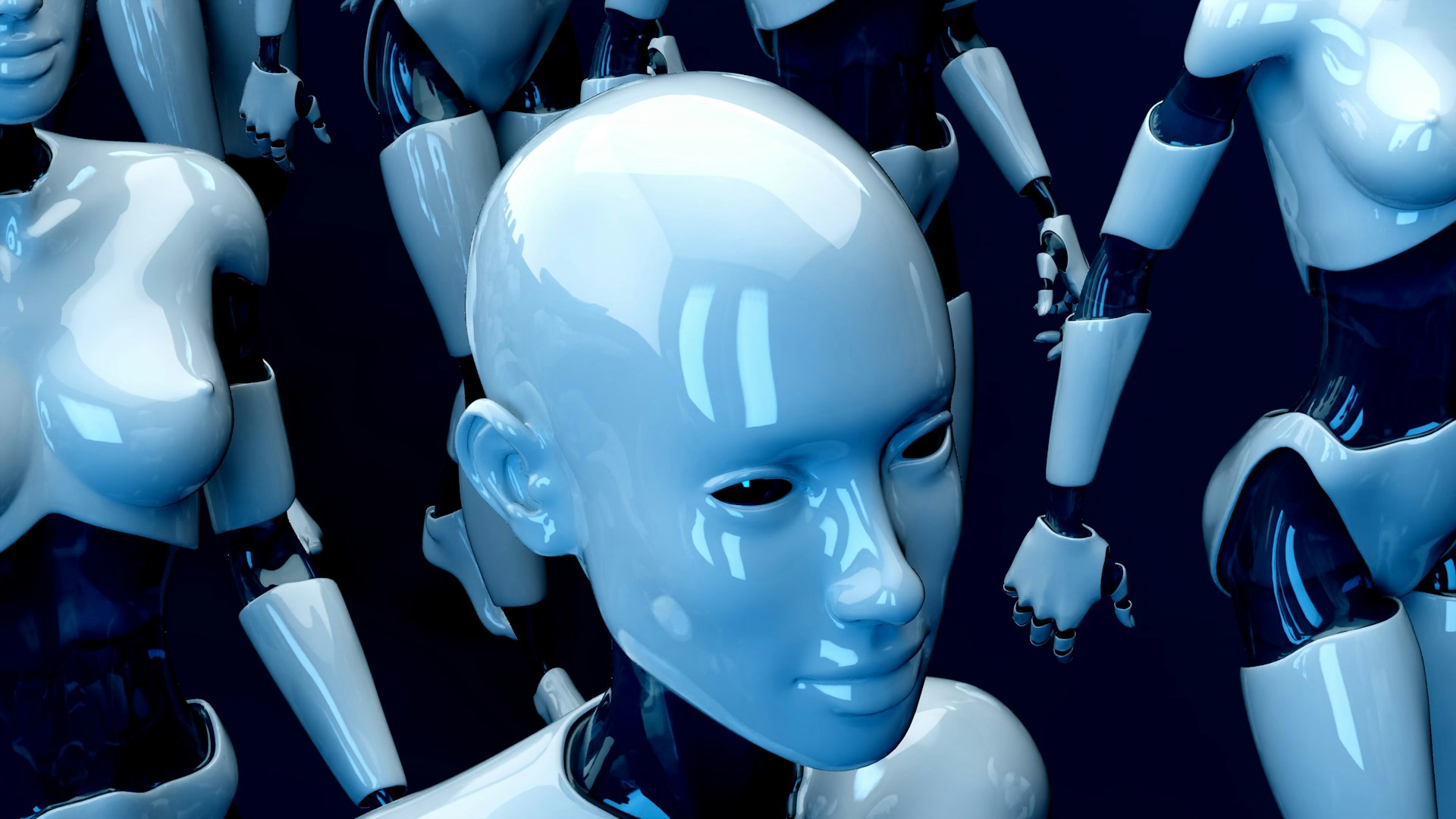
The challenges surrounding artificial intelligence (AI) safety remain monumental, with evolving technology leaving policymakers scrambling for viable solutions, according to Elizabeth Kelly, director of the U.S. Artificial Intelligence Safety Institute. Speaking at the Reuters NEXT conference, Kelly underscored the complexity of crafting safeguards for AI systems while scientific understanding remains fluid.
The institute, established under the Biden administration, faces growing pressure to address AI vulnerabilities, from cybersecurity risks to synthetic content manipulation. These challenges, Kelly said, are compounded by the lack of reliable safety benchmarks for developers and policymakers alike.
The Challenge of Evolving AI Science
Kelly highlighted the growing concern over "jailbreaks," which exploit vulnerabilities in AI systems to bypass established safeguards. These security flaws, she noted, expose the fragility of current defenses. “It’s difficult for policymakers to recommend best practices when we don’t know which ones are effective,” Kelly said during her keynote speech.
Another pressing issue is the manipulation of digital watermarks designed to distinguish AI-generated content from authentic material. The ease with which bad actors can tamper with these markers complicates regulatory efforts. Without reliable tools, authorities are struggling to provide clear guidance to an industry experiencing rapid growth.
International Collaboration and Bipartisan Support
Despite these hurdles, Kelly expressed optimism about international efforts to unify AI safety protocols. She recently led the first global summit of AI safety institutes, which convened in San Francisco with representatives from 10 countries. The focus was on developing interoperable safety tests, with the help of what Kelly humorously described as “more technical, hoodie-wearing experts than you’d see at a typical diplomatic meeting.”
When asked about the institute’s future under the Trump administration, Kelly was firm: “AI safety is fundamentally a bipartisan issue.” She emphasized the importance of partnerships across academic, industry, and civil society sectors in informing the institute’s evaluations.
Public Reactions: A Divided Debate
Kelly’s remarks have sparked heated debate online, with many questioning the feasibility of safeguarding AI technology.
- @TechInsiderX: “If the experts don’t know what works, how can we trust anything AI-related? This is terrifying.”
- @DataDrivenDev: “Kelly is spot-on. The tech is evolving too quickly for regulators to catch up.”
- @PolicyPro87: “This is why AI needs a global governing body. National policies won’t cut it anymore.”
- @AIwatchdog123: “Is this just an excuse for inaction? We need guardrails before it’s too late.”
- @NextGenCoder: “Sounds like a challenge, not a crisis. Let’s innovate our way out of this!”
- @RealTruthSeeker: “AI safety is a smokescreen for control. Watch out for authoritarian measures disguised as ‘protections.’”
Looking Ahead: The Path to AI Regulation
While the U.S. AI Safety Institute aims to lead the global charge in addressing these concerns, the road ahead is steep. The rapid pace of AI development continues to outstrip regulatory frameworks, leaving governments and industries grappling with uncertainties. However, experts agree that collaboration and innovation will play critical roles in ensuring the safe integration of AI into society.







