


 Netflix Stock Drops After Weak Q3 Outlook Overshadows Mixed Q2 Earnings
  SpaceX Stock Falls Below IPO Price as Investors Weigh Losses and Lockup Expiry
  Hyundai Takes Full Control of Boston Dynamics to Accelerate Humanoid Robot and AI Strategy
  Xi Jinping Calls for People-Centered AI Development at WAIC, Expands Global Cooperation
  xAI Sues Man for Allegedly Using Grok to Generate AI Child Abuse Deepfakes
  Nvidia Tightens AI Chip Sales in Asia With Stricter Customer Approval Process
  PayPal Rejects $53 Billion Stripe-Advent Takeover Offer as Too Low: Report
  Trump Slams New York Data Center Ban, Warns AI Investment Could Shift to Other States
  Trump Criticizes ABC, NBC and CNN for Limiting Coverage of Election Speech
  NY Times Challenges Trump Administration Subpoenas Over Air Force One Report
  Seven & i Eyes Żabka Stake in Major European Expansion Push
  Uber to Acquire Delivery Hero in $14.8 Billion Deal to Expand Global Food Delivery Business
  DeepSeek Eyes China IPO as AI Startup Seeks $71 Billion Valuation in New Funding Round
  SK Hynix Shares Drop After Strong Nasdaq Debut Despite $26 Billion ADR Listing
  Alibaba Stock Jumps as China Approves Apple Intelligence Powered by Qwen AI
  Mikron H1 2026 Sales Fall 5.9% as Automation Weakness Weighs on Profit
  BHP Q4 Iron Ore Output Rebounds as Copper Prices Boost Revenue


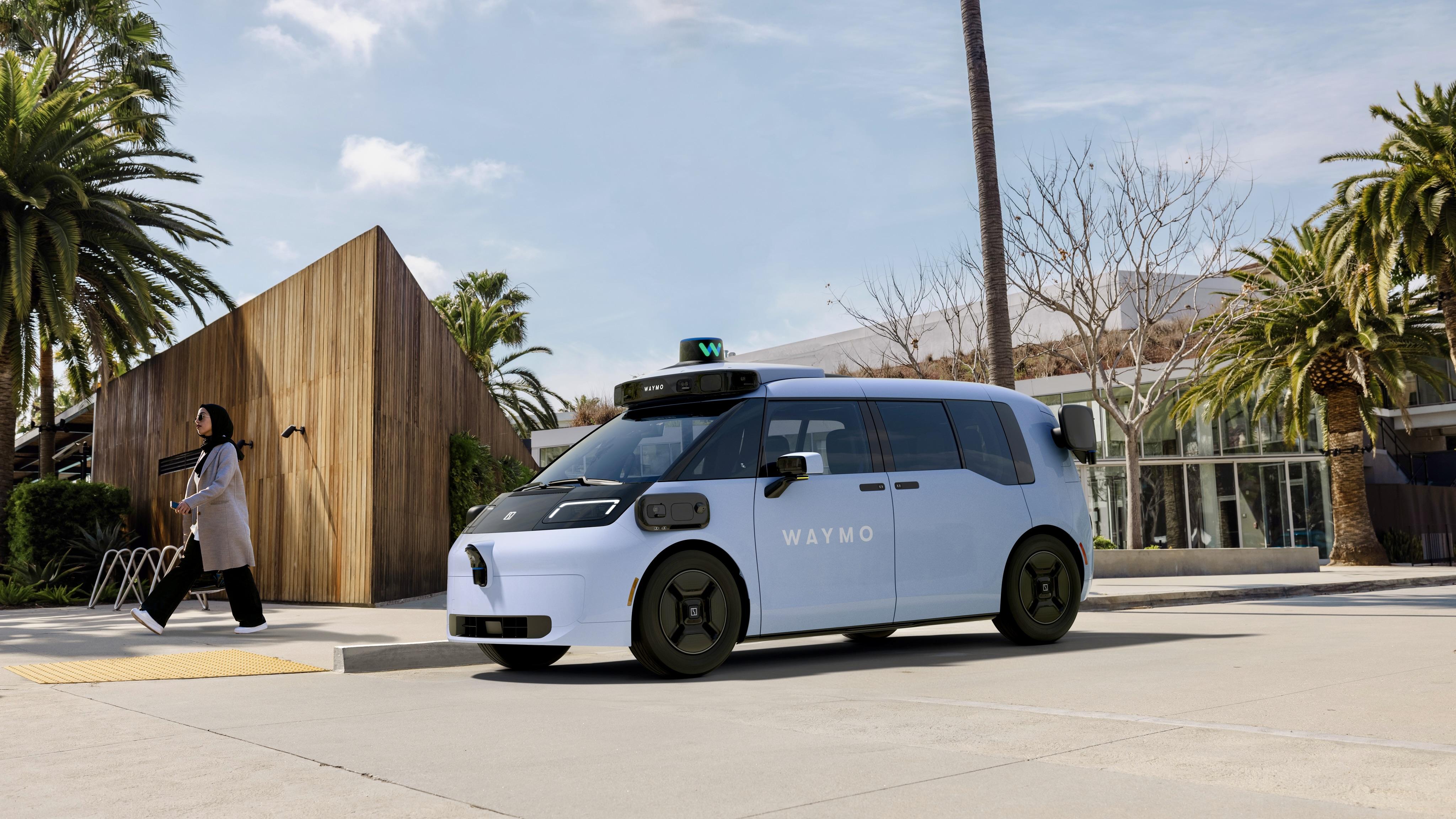
In a daring shift, Waymo's sixth-generation robotaxi dramatically reduces its sensor count, promising lower costs without compromising the safety that has become synonymous with the brand's autonomous vehicles.
Waymo’s New Platform Uses Fewer Sensors Without Compromising Safety
Waymo, which is owned by Alphabet, introduced its sixth-generation Driver system, which features a more efficient sensor configuration. The self-driving ride's new arrangement supposedly keeps safety levels, even though it has less cameras and LiDAR sensors compared to the present platform.
When it's public ride-ready, it will live alongside the existing generation.
This new mechanism is reportedly standard on all electric Geely Zeekr automobiles, according to CNBC. Back in late 2021, Waymo initially announced its partnership with the Chinese EV manufacturer.
Zeekr Partnership Introduces Waymo’s Smaller, Accessible Robotaxi
Compared to the present generation's portfolio, which is based on the Jaguar I-PACE SUVs, the new platform has boxier rides. The sixth-generation Zeekr range has a smaller size than the Jaguar-based models, but is said to be more accessible with to features including a shorter step, higher ceiling, and more legroom.
The sixth-generation Waymo Driver used four LiDAR sensors instead of five and thirteen cameras instead of twenty-nine. In order to improve performance in different weather conditions, Alphabet claims that they collaborate with overlapping fields of view and safety-focused redundancy.
The new platform, according to the business, can see up to 500 meters (1,640 feet) in any light and "a range of" weather scenarios.
"Swap out various sensing components to match the specific conditions of each operating environment," for example, more severe sensor cleaning for vehicles in colder cities, is possible because to the new system's modular character, according to Waymo.
Per CNBC (via Engadget), the cleaning system has wipers that are effective against a wide range of dirt and moisture.
According to the business, "regular road trips to newer cities" are the reason the sixth-generation Driver reliably works in extreme heat, fog, rain, and hail. It stands to reason, considering that all of the cities that have been approved so far are located in comparatively arid and clean climates. (“Waymo tested it in Detroit, Buffalo, and NYC,” says CNBC).
Waymo’s Extensive Testing Validates Safety in Extreme Conditions
Waymo is now limited to four cities: Austin, Phoenix, Los Angeles, and San Francisco. Following its 2018 launch, the company's fleet now provides approximately 50,000 paid autonomous trips per week.
According to Waymo, the upcoming generation of drivers has racked up thousands of kilometers on the road and "millions more" in virtual reality.
Because it draws on the system's "shared knowledge" from earlier generations, the business believes it will be consumer-ready approximately half the time before earlier models.







