


 Elon Musk Confirms SpaceX, xAI, and Tesla Will Continue Large-Scale Nvidia Chip Orders
  Palantir's Maven AI Earns Pentagon "Program of Record" Status, Reshaping Military AI Strategy
  SLMG Beverages Eyes Price Hikes Amid Rising Packaging Costs and India's Booming Soft Drink Market
  Microsoft Eyes Legal Action as Amazon-OpenAI Deal Threatens Azure Exclusivity
  Sonova Shares Slip as Hearing Aid Giant Lowers Growth Outlook and Plans Sennheiser Exit
  Nintendo Switch 2 Production Cut as Holiday Sales Miss Targets
  Malaysia Semiconductor Industry Eyes Helium Supply Risks Amid Middle East Conflict
  SK Hynix Eyes Up to $14 Billion U.S. IPO to Fund AI Chip Expansion
  SpaceX IPO Filing Expected This Week as Valuation Could Surpass $75 Billion
  Air Canada Express Crash at LaGuardia: Controller Distracted by Prior Emergency
  Reflection AI Eyes $25 Billion Valuation in Massive $2.5 Billion Funding Round
  Finnair Orders 18 Embraer E195-E2 Jets in Landmark Fleet Overhaul
  Global Flight Cancellations 2026: Middle East Air Travel Chaos Explained
  Citi Names Eric Farina and Rob Cascarino to Lead Global Infrastructure Financing Group
  Lynas Rare Earths Signs Vietnam Deal with LS Eco Energy to Boost Magnet Metal Production
  Alibaba Bets on AI Agents to Unify Its Vast Digital Ecosystem
  Merck's $6 Billion Bid for Terns Pharma Signals Bold Oncology Push


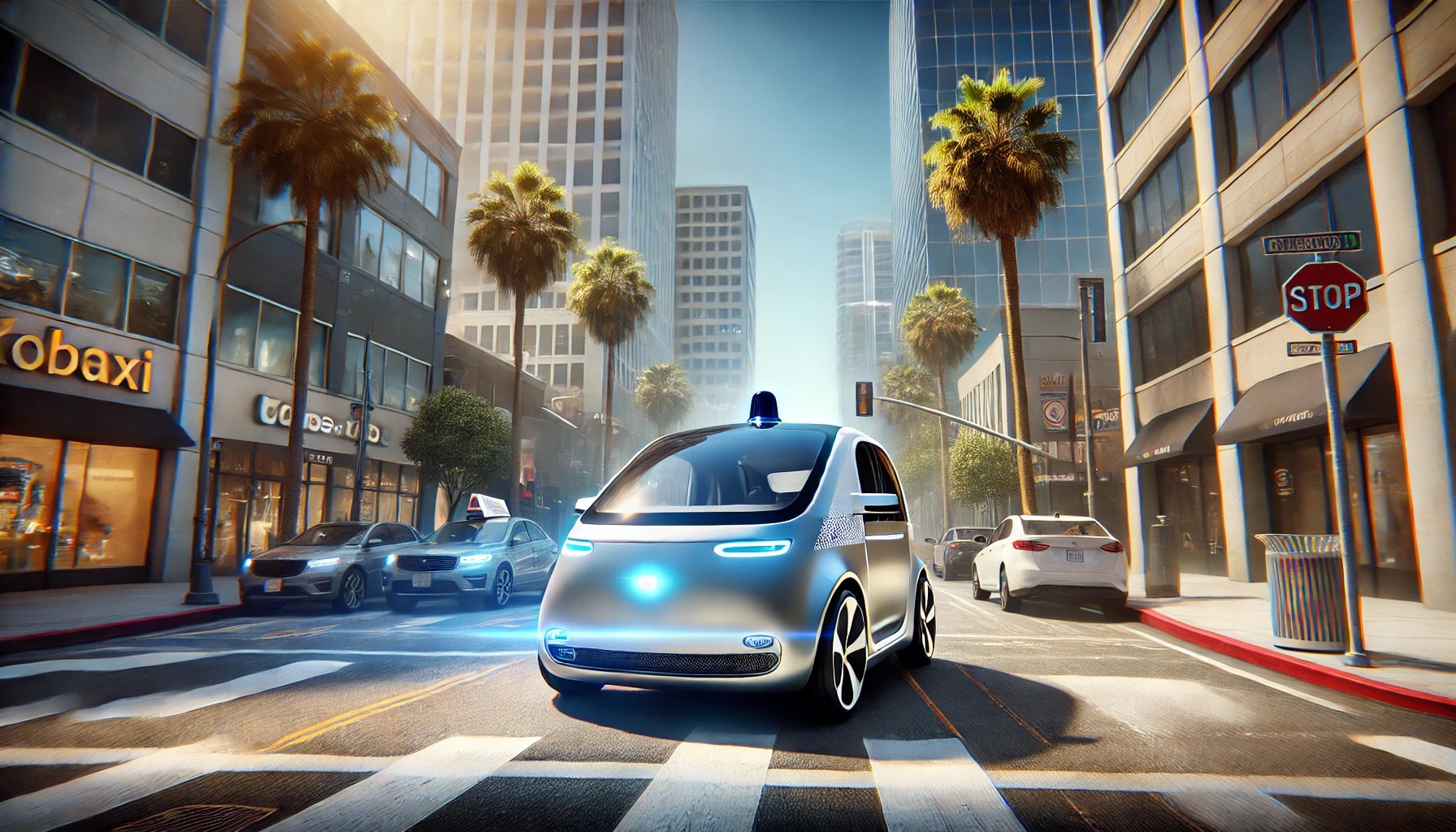
WeRide, a Chinese autonomous vehicle startup, has received California’s regulatory approval to begin testing its robotaxis with passengers, a move that comes as the U.S. considers restricting Chinese technology in vehicles.
California Approves WeRide Testing Amid US Tech Concerns
The utility regulator in California has granted permission to the Chinese autonomous driving startup WeRide to conduct passenger testing of its vehicles.
This comes at a time when the United States is planning to prohibit automobiles equipped with technologies built in China, as per sources familiar with the situation, and the company is aiming for an initial public offering (IPO) in New York that could fetch a price of $5 billion.
WeRide Restricted from Collecting Payments in California
This month, WeRide received three-year permission from the California Public Utilities Commission (CPUC) to test both driverless and self-driving test cars. There will be no way for WeRide to collect payments from customers or provide trips to anyone in the general public.
CPUC informed Reuters that WeRide will serve San Jose and the surrounding areas with its fleet of twelve operating cars.
Due to public outcry, bureaucratic roadblocks, and resistance from local agencies, developing and commercializing robotaxis in the United States has been more challenging than anticipated.
According to Yahoo Finance, only Waymo, a subsidiary of Alphabet with 700 vehicles, operates unmanned robotaxis that collect fares in the United States.
Cruise Robotaxi Accident Resumed Testing in April
After a pedestrian was injured by one of General Motors' Cruise vehicles last year, testing with safety drivers resumed in April.
In 2021, WeRide, which was established in 2017, was granted permission by the state of California to conduct unaccompanied vehicle testing. The business has driverless permits in both Singapore and the UAE; it also manufactures autonomous buses, street sweepers, and vans.
Reuters asked WeRide for more information, but the company did not immediately respond.













