


 Trump Administration to Launch Voluntary AI Standards for Frontier Models
  EU Ministers Split as Support Grows for Ban on Trade With Israeli West Bank Settlements
  ASML Raises 2026 Outlook as AI Chip Demand Lifts Q2 Earnings
  US Appeals Court Limits ICE Detention Without Bond Hearings After 90 Days
  Trump Orders ICE to Resume Traffic Stops After Deadly Immigration Enforcement Incidents
  Samsung Chairman Lee Jae-yong Expected to Meet Nvidia CEO Jensen Huang on AI and Chip Partnership
  Trump Administration Proposes Repeal of 702 Federal Regulations in Major Deregulation Push
  EU to Propose New Rules Limiting Children's Access to Social Media
  Jamie Dimon Warns Anthropic's Mythos AI Poses National Security Risks
  Yaskawa Electric Shares Slide as Weak Profit Overshadows Strong AI Demand
  Trump Administration Launches AI Cybersecurity Partnership to Protect Critical Infrastructure
  Trump Says U.S. Strikes on Iran Will Continue Until Nuclear Deal Is Reached
  UK Sanctions 24 Russian-Linked Targets Over Cyberattacks and Election Interference
  South Korea Alleges Google Abused Android App Store Dominance, Eyes Major Fine
  SpaceX Stock Falls Below IPO Price as Investors Weigh Losses and Lockup Expiry
  Iranian Missile Strike on UAE Oil Tankers Kills Indian Crew Member in Strait of Hormuz
  Reuters/Ipsos Poll: Most Americans Expect U.S.-Iran War to Be Prolonged


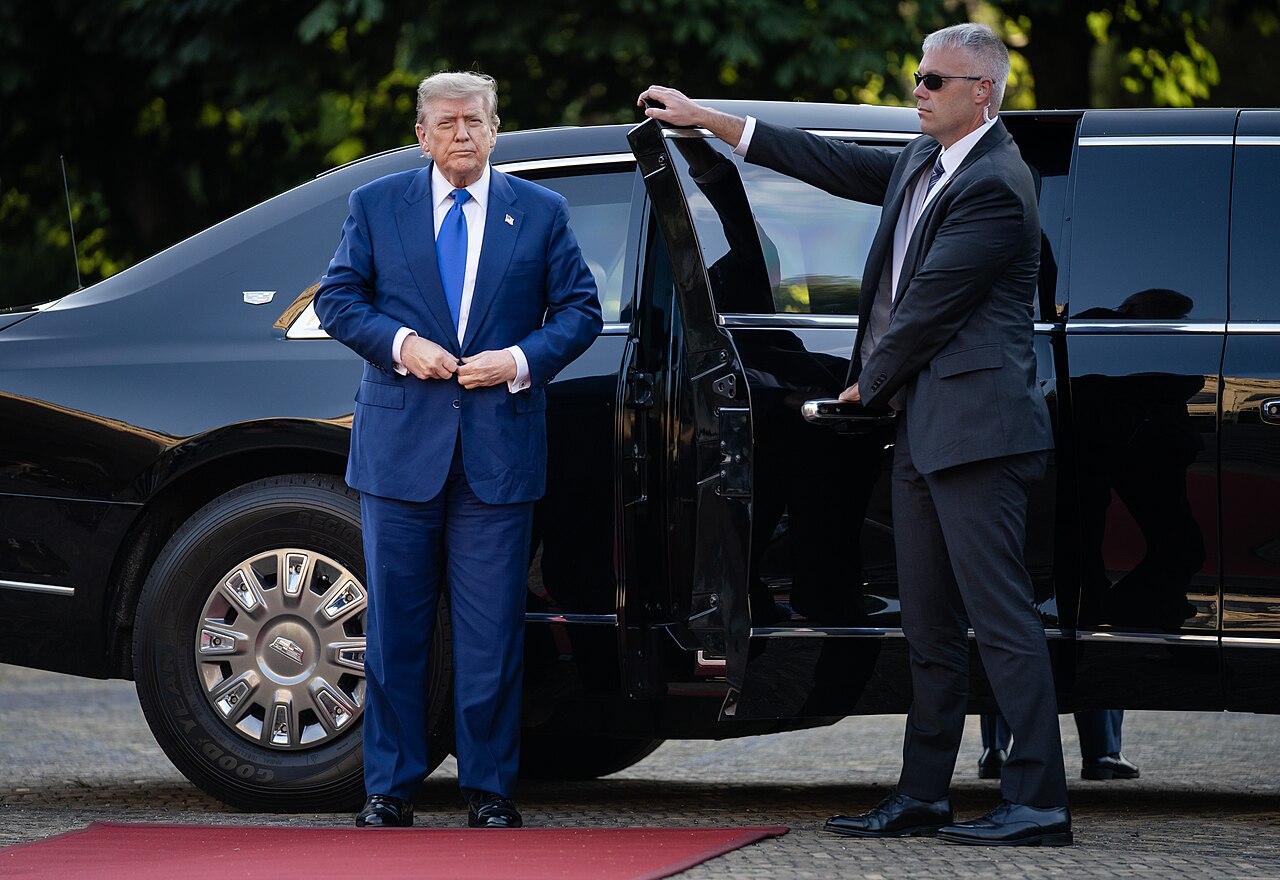
U.S. President Donald Trump sharply criticized New York’s new one-year moratorium on large-scale data center construction, arguing that the move will discourage investment, eliminate jobs, and weaken the state's position in the rapidly expanding artificial intelligence industry.
In a post on Truth Social on Wednesday, Trump described data centers as "Money Machines" and "LIQUID GOLD," emphasizing their potential to generate employment, tax revenue, and long-term economic growth. He warned that businesses planning major AI infrastructure projects would instead invest in states with more favorable policies, naming Arizona, Florida, Texas, and Alabama as likely beneficiaries.
Trump also argued that restricting data center development could undermine U.S. competitiveness in artificial intelligence, warning that countries such as China could gain an advantage if American states limit critical AI infrastructure. He urged New York officials to reverse the decision and embrace investment in the sector.
The criticism followed New York's approval of the nation's first statewide moratorium on new data centers requiring 50 megawatts or more of electricity. The temporary ban, announced Tuesday, is intended to give policymakers time to evaluate the impact of these energy-intensive facilities on the state's power grid, utility costs, and natural resources.
New York Governor Kathy Hochul defended the measure, saying rapidly growing demand from large AI data centers could increase electricity bills for residents and place additional strain on the state's energy infrastructure. Supporters of the moratorium argue that stronger oversight is needed before approving more large-scale facilities.
The decision places New York at the center of a broader national debate over balancing AI-driven economic growth with energy reliability and environmental concerns. As technology companies continue investing billions of dollars in artificial intelligence and cloud computing, demand for high-capacity data centers has surged across the United States.
At the same time, lawmakers and regulators in numerous states are considering new policies to address the growing pressure these facilities place on electricity grids, water resources, and local communities. The outcome of these debates is expected to shape where future AI infrastructure investments are made across the country.







