


 Zelenskiy Cabinet Reshuffle Puts Ukraine Defense Minister Fedorov’s Future in Focus
  Trump Administration Bars U.S. Travelers From Congo Flights Amid Ebola Outbreak
  Trump Administration Bars U.S. Travelers From Congo Flights Amid Ebola Outbreak
  Trump ICC Sanctions Challenged as Advocacy Groups File Free Speech Lawsuit
  US Military Launches New Strikes on Iran, Targets Threats to Strait of Hormuz Shipping
  Trump Says U.S. Strikes on Iran Will Continue Until Nuclear Deal Is Reached
  DOJ Refuses to Release Unredacted Jeffrey Epstein Files to New Mexico Investigation
  Iran Warns Trump Against Striking Infrastructure, Declares Strait of Hormuz a ‘Red Line’
  US Troop Pullback Raises NATO Security Concerns Amid Russia Tensions
  Xi Jinping Calls for People-Centered AI Development at WAIC, Expands Global Cooperation
  Trump Declassifies China Election Intelligence, Revives 2020 Election Security Claims
  US-Iran Conflict Escalates as Hormuz Tensions Disrupt Global Oil Shipping
  Russian Missile Strike Sparks Fires in Kyiv After Early Morning Air Alert
  North Korea Calls South Korea ‘Puppet’ After U.S.-Led RIMPAC Naval Exercise
  US Restricts Commercial Flights From Congo Amid Ebola Outbreak
  Trump Slams New York Data Center Ban, Warns AI Investment Could Shift to Other States
  Trump to Deliver National Address on 2020 Election Intelligence, Voting Machine Security


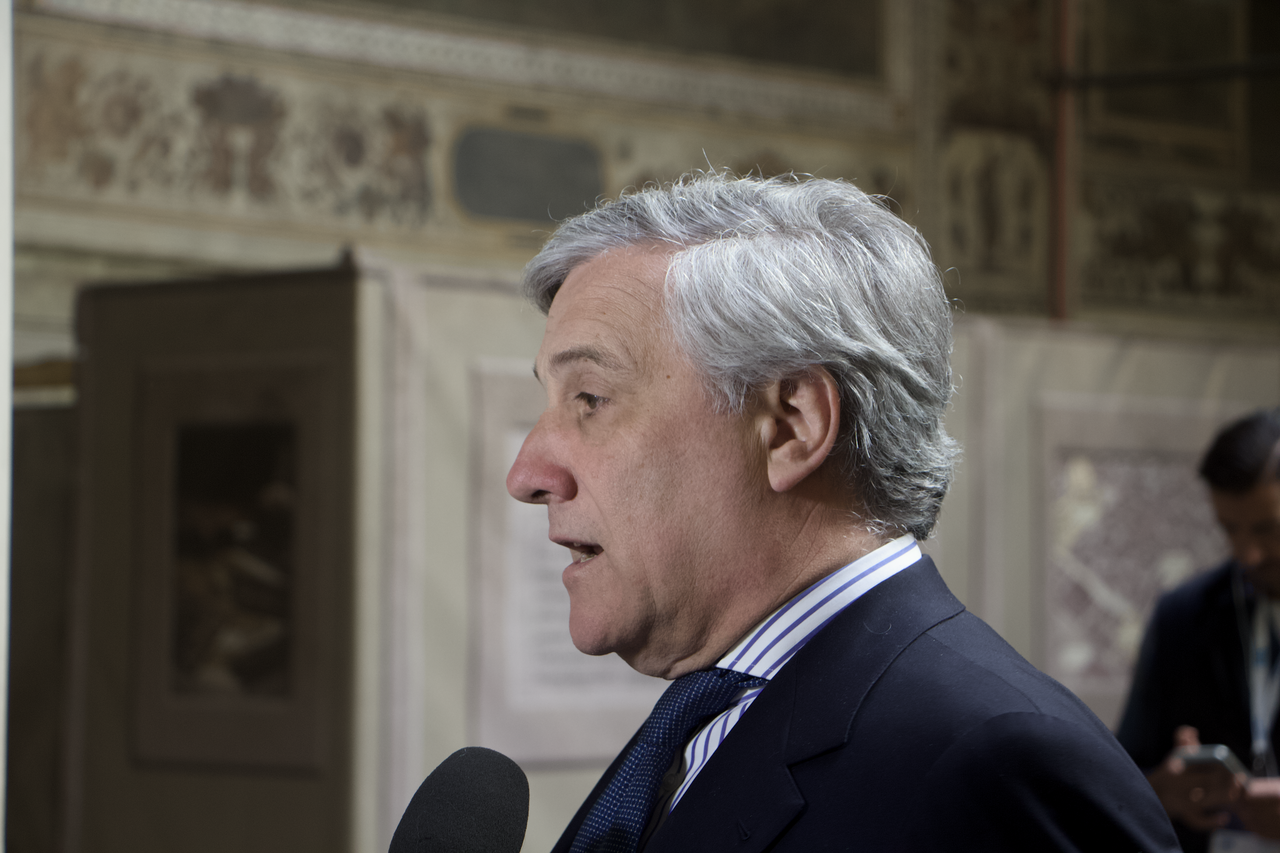
Nicaragua has officially severed diplomatic relations with Italy after a renewed dispute over the extradition of former Red Brigades militant Alessio Casimirri, intensifying a decades-long conflict tied to one of Italy’s most notorious political crimes.
The Nicaraguan Foreign Ministry announced on Thursday that it was ending relations with Rome following comments by Italian Foreign Minister Antonio Tajani, who criticized Managua for continuing to shelter Casimirri, an Italian-born former member of the far-left Red Brigades.
Italy quickly reaffirmed its position after the diplomatic break. Responding to Nicaragua’s decision, the Italian Foreign Ministry reiterated Tajani’s demand that Casimirri be extradited, insisting that protecting a convicted militant is unacceptable.
"We tell Nicaragua that granting immunity to a criminal is unacceptable," Tajani said on Wednesday, underscoring Italy’s longstanding effort to bring Casimirri back to face justice.
Casimirri was convicted in Italy for his role in the 1978 kidnapping and murder of former Italian Prime Minister Aldo Moro, a defining event during the country’s violent "Years of Lead." Moro, leader of the Christian Democratic Party and a former prime minister, was abducted by the Red Brigades in March 1978. The militant group sought the release of jailed members in exchange for his freedom, but Moro was found dead in the trunk of a car roughly two months later.
After fleeing Italy in 1983, Casimirri settled in Nicaragua while the leftist Sandinista government was in power. He obtained Nicaraguan citizenship in 1989, married a Nicaraguan citizen, and later operated an Italian restaurant in the capital, Managua.
Although Casimirri has acknowledged his membership in the Red Brigades during the turbulent period of political violence in Italy, he has consistently denied taking part in the attack that led to Moro’s death.
Italy has pursued Casimirri’s extradition for decades without success. Nicaragua briefly revoked his citizenship in 1993, but the country’s Supreme Court restored it in 1999, ruling that nationality could only be withdrawn through judicial proceedings. Nicaragua’s constitution prohibits the extradition of its citizens, and no bilateral extradition treaty exists between the two nations, leaving the longstanding legal and diplomatic dispute unresolved.







