


 Uruguay Central Bank Holds Interest Rate at 5.75% Amid Inflation and Oil Price Concerns
  BOJ Signals Possible Rate Hike as Middle East Tensions Fuel Inflation Concerns
  Japan Plans $19 Billion Extra Budget as Bond Market Faces Pressure
  Oil Prices Slip as U.S.-Iran Talks Continue Amid Ceasefire Tensions
  Yen Stays Near Intervention Zone as Iran Conflict Supports U.S. Dollar
  Oil Prices Jump as U.S. Strikes in Iran Raise Fears Over Strait of Hormuz Supply Disruptions
  Gold Prices Slip as Fresh U.S. Strikes on Iran Boost Dollar and Oil Markets
  Senegal Appoints Economist Ahmadou Al Aminou Lo as Prime Minister Amid IMF Debt Crisis
  BOJ Governor Ueda Warns Oil Price Shock Could Trigger Persistent Inflation
  Wall Street Climbs as Micron Leads Chip Stock Rally Amid Iran Peace Hopes
  Asian Stocks Slip as U.S.-Iran Tensions Weigh on Markets; South Korea’s KOSPI Hits Record High
  U.S.-Iran Talks May Take Days as Oil Prices React to Strait of Hormuz Tensions
  Oil Prices Slide as U.S.-Iran Talks Raise Hopes for Strait of Hormuz Reopening
  US-Iran Framework Deal Raises Hopes for Strait of Hormuz Reopening
  Dollar Slips as Iran Peace Hopes Ease Rate Hike Fears
  Gold Prices Edge Higher as Markets Monitor U.S.-Iran Peace Talks
  US Stock Futures Rise as Iran Talks Ease Oil Fears Ahead of Key Inflation Data


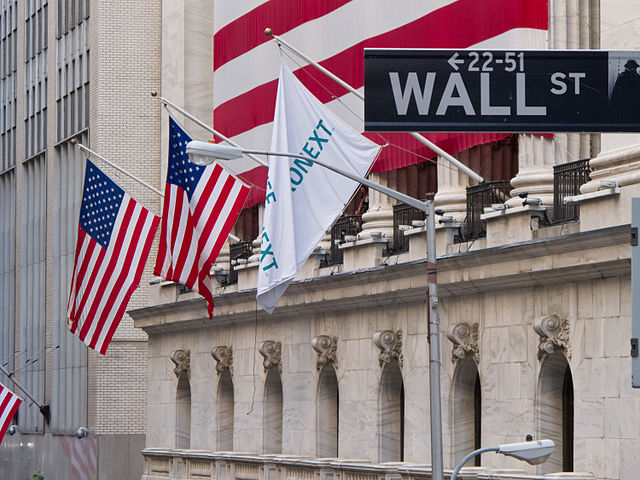
U.S. stock futures traded mostly unchanged Tuesday night after a technology-driven rally pushed the S&P 500 and Nasdaq to fresh record highs. However, renewed U.S. military action involving Iran continued to weigh on investor sentiment and raised concerns about escalating geopolitical risks in the Middle East.
S&P 500 Futures held near 7,539, while Nasdaq 100 Futures remained steady around 30,082. Dow Jones Futures gained slightly by 0.1% in late trading. During Tuesday’s regular session, the S&P 500 advanced 0.5% to close at another all-time high, while the Nasdaq Composite climbed 0.9% as semiconductor and artificial intelligence stocks fueled market momentum. In contrast, the Dow Jones Industrial Average slipped 0.3%.
Technology shares remained the market’s strongest driver, with chipmakers leading gains across Wall Street. Micron Technology surged sharply after receiving a bullish analyst upgrade, helping lift the Philadelphia Semiconductor Index to a record level. The rally also pushed Micron’s market capitalization above the $1 trillion mark for the first time, highlighting continued investor enthusiasm surrounding AI-related growth stocks.
Despite strong equity performance, geopolitical uncertainty limited broader market optimism. Reports of new U.S. strikes on Iranian vessels near the Strait of Hormuz increased fears that ongoing diplomatic discussions between Washington and Tehran could collapse. Iran criticized the attacks as violations of the ceasefire agreement, while U.S. officials defended the military response as necessary for regional security.
Meanwhile, Israel reportedly launched more than 120 airstrikes on Lebanon, adding further pressure to already fragile regional negotiations. Oil prices remained volatile as traders monitored potential disruptions to global crude supply routes.
Treasury yields moved lower as investors sought safer assets ahead of key economic data releases. The benchmark 10-year Treasury yield fell to approximately 4.49%. Markets are now closely watching the upcoming U.S. Personal Consumption Expenditures (PCE) index, the Federal Reserve’s preferred inflation indicator, for signals on future interest rate decisions in 2026.







