


 Fed Rate Hike Threatens Housing as U.S. Growth Leans on AI, Citi Says
  Fed’s Hammack Says Bond Yield Surge Is Not Driven by Inflation Fears
  RBI Uses $10 Billion Currency Swaps to Drain Excess Rupee Liquidity
  Oil Prices Rise as Iran Holds Firm on Strait of Hormuz Deal
  South Korea Tax Windfall Could Top 50 Trillion Won on Chip Boom
  BOJ Set for Rate Hike as Inflation and Yen Pressure Mount
  Fed Unveils Stablecoin Rules Under GENIUS Act
  Asian Currencies Mixed as Yen Weakens, RBA Hike Looms
  Asian Currencies Weaken as Dollar, Oil Prices Rise
  BOJ Flags Import Costs and Yen Shocks as Persistent Inflation Risks
  RBA Hikes Interest Rate to 4.60% as Inflation Risks Rise
  Yen Sinks as BOJ Rate Hike Fails to Impress Markets
  Europe’s AI Data Centre Boom Strengthens Case for Nuclear Power


 Add as a preferred source on Google
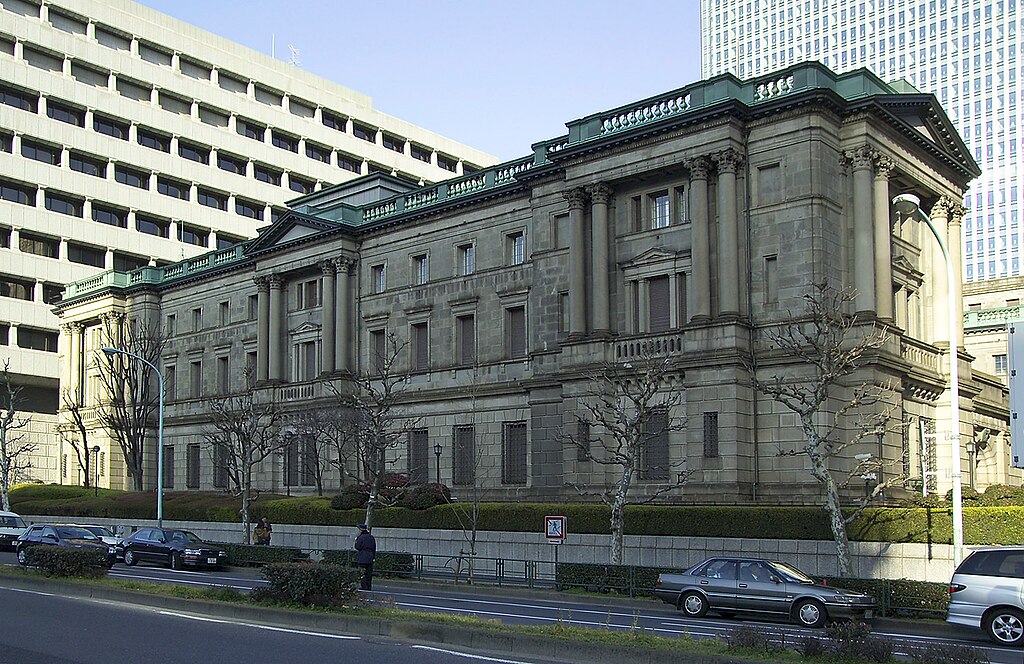
Bank of Japan Governor Kazuo Ueda warned that rising oil prices could create longer-lasting inflation if higher energy costs begin influencing wages, consumer expectations, and corporate pricing behavior. Speaking at a conference hosted by the BOJ and the Institute for Monetary and Economic Studies on Wednesday, Ueda emphasized that central banks should not evaluate oil price movements in isolation.
Ueda explained that Japan’s past experiences with energy shocks show how the same rise in oil prices can produce very different economic outcomes depending on existing market conditions. Factors such as wage growth, inflation expectations, domestic demand, and currency fluctuations determine whether inflation remains temporary or becomes more persistent.
According to Ueda, when inflation expectations are already elevated and wages continue to rise, the chances of “second-round effects” increase significantly. In that scenario, companies may continue raising prices while workers demand higher wages, creating a cycle of sustained inflation. However, if wages remain weak and inflation expectations are low, even a major energy shock may have only a limited and temporary impact on broader inflation.
“The boundary between temporary and persistent inflation is not mechanical,” Ueda stated during the event. He added that temporary price shocks can evolve into lasting inflationary pressure when they affect wage negotiations, business pricing decisions, and public expectations about future inflation.
The comments come as global oil prices surge amid escalating tensions in the Middle East, adding new inflationary pressure on Japan’s economy. The remarks also strengthened market expectations that the Bank of Japan could raise interest rates as early as next month.
BOJ officials have recently signaled a more hawkish stance as Japan faces increasing concerns over inflation persistence. Investors are closely monitoring future BOJ policy decisions, especially as energy costs and wage growth continue to influence the country’s economic outlook in 2026.







