


 Asian Stocks Slip as U.S.-Iran Tensions Weigh on Markets; South Korea’s KOSPI Hits Record High
  KOSPI Hits Record High as Samsung and SK Hynix Lead AI Chip Rally
  Uruguay Central Bank Holds Interest Rate at 5.75% Amid Inflation and Oil Price Concerns
  BOJ Governor Ueda Warns Oil Price Shock Could Trigger Persistent Inflation
  U.S.-Iran Talks May Take Days as Oil Prices React to Strait of Hormuz Tensions
  Gold Prices Slip as Fresh U.S. Strikes on Iran Boost Dollar and Oil Markets
  Huawei Chip Breakthrough Sparks Rally in Hong Kong AI and Semiconductor Stocks
  BOJ Signals Possible Rate Hike as Middle East Tensions Fuel Inflation Concerns
  RBNZ Holds Interest Rates Steady but Signals More Hikes Ahead in 2026
  Croatia Weighs Ante Zigman for Central Bank Governor Role in Key ECB Transition
  Puerto Rico Economic Development Chief Resigns Amid Government Shake-Up
  BOK Seen Holding Interest Rates Steady as Inflation Risks Rise in South Korea
  ASX Shares Plunge as Rising Tech Upgrade Costs Shake Investor Confidence
  Sri Lanka Central Bank Surprises Markets With 100 Basis Point Rate Hike Amid Inflation and Currency Pressure
  Australia Urged to Simplify Regulations to Revive IPO Market and Boost Innovation
  Senegal Appoints Economist Ahmadou Al Aminou Lo as Prime Minister Amid IMF Debt Crisis
  US Stock Futures Rise as Iran Talks Ease Oil Fears Ahead of Key Inflation Data


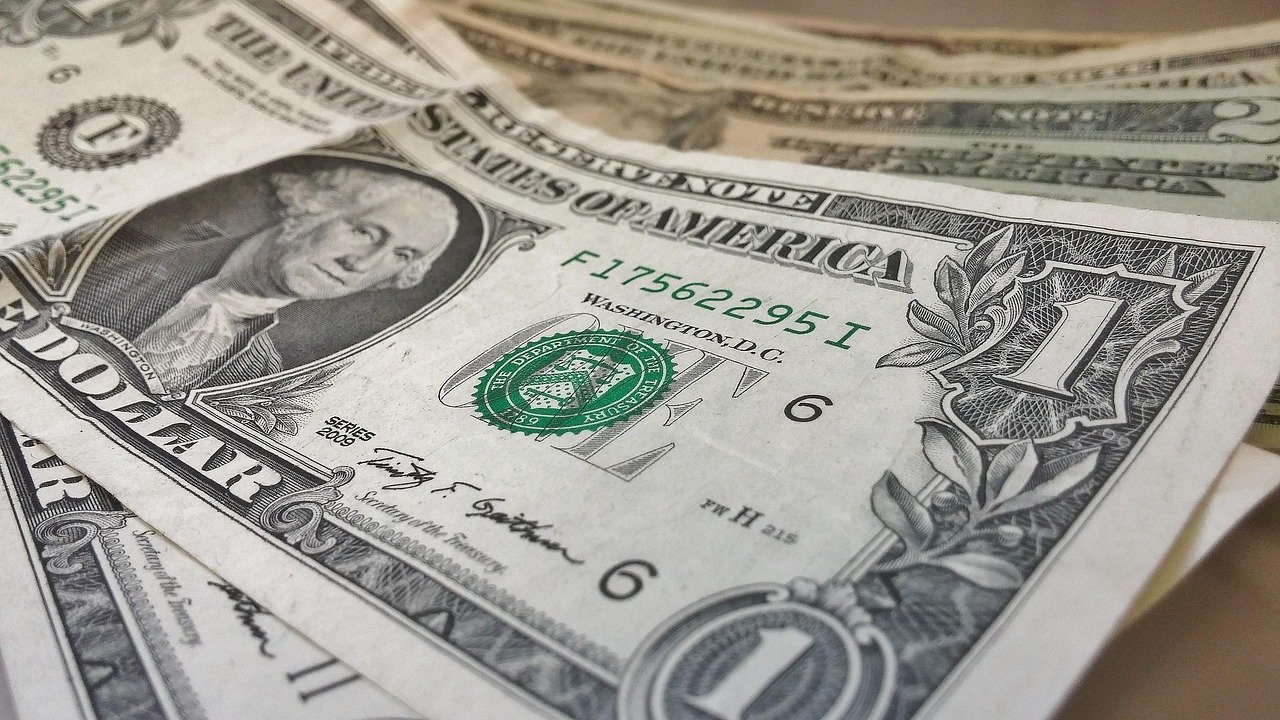
The U.S. dollar edged lower on Tuesday as investors reduced expectations for additional Federal Reserve interest rate hikes amid renewed optimism surrounding a possible peace agreement between Washington and Iran. However, continued military tensions in the Middle East kept demand for safe-haven assets relatively strong.
The U.S. Dollar Index (DXY), which measures the greenback against six major currencies, dipped 0.1% to 99.16 during afternoon trading. Despite the decline, the index has still gained roughly 1.3% since the Iran conflict began, supported by investor demand for safer assets during geopolitical uncertainty.
Market sentiment improved after President Donald Trump stated over the weekend that a memorandum of understanding related to a potential Iran peace deal had been “largely negotiated” following discussions with regional leaders. Analysts believe a successful agreement could lower oil prices, support global stock markets, and reduce long-term inflation concerns.
Still, geopolitical risks remain elevated after the U.S. military confirmed “defensive” strikes against Iranian Revolutionary Guard vessels in the Strait of Hormuz. Iran reportedly responded by targeting U.S. aircraft with missiles, while additional American strikes hit missile launch sites near Bandar Abbas.
The conflict has heavily impacted global markets because disruptions in the Strait of Hormuz have caused major oil supply concerns and pushed crude prices sharply higher. Rising energy prices fueled inflation fears and previously increased expectations for central bank rate hikes worldwide, including by the Federal Reserve.
As hopes for diplomacy improved, U.S. Treasury yields declined, with the benchmark 10-year yield falling to 4.495%. According to CME FedWatch data, traders lowered the probability of future Fed rate hikes across upcoming policy meetings.
In currency markets, the euro slipped slightly to $1.1630, while the British pound fell to $1.3448. Meanwhile, the Japanese yen weakened further, pushing USD/JPY close to the critical 160 level at 159.31. Investors are now focused on Thursday’s U.S. core PCE inflation report, a key indicator closely watched by the Federal Reserve in shaping future monetary policy decisions.







