


 Javier Milei Cabinet Chief Manuel Adorni Resigns Amid Spending Scandal Investigation
  Maria Corina Machado’s Return to Venezuela Faces U.S. Hesitation After Deadly Earthquakes
  Australia, Vanuatu Sign Security Pact Amid Pacific Influence Competition
  Iran Skips U.S. Technical Talks Over Unmet MoU Conditions and Frozen Funds Dispute
  Trump Signs Memorandum Backing Americans’ Right to Repair Their Own Vehicles
  Serbia Protests Continue as Thousands Rally Despite Vucic’s Resignation Plan
  Trump Announces September Overhaul of Washington’s East Potomac Golf Links
  Australia Plans Higher Fines for Social Media Firms Failing to Block Underage Users
  Trump Threatens 100% Tariffs on Countries Imposing Digital Services Taxes on U.S. Tech Firms
  Ukraine Strikes Russian Titan-Barrikady Plant With Long-Range FP-5 Flamingo Missile
  US Strikes Iran Again After Strait of Hormuz Tanker Attack Escalates Ceasefire Tensions
  Trump Questions Housing Bill as He Prioritizes SAVE America Act
  Supreme Court Backs Lisa Cook, Defends Federal Reserve Independence Against Trump Firing Attempt
  Russian Attacks on Dnipro, Zaporizhzhia, and Kharkiv Kill 10 as Ukraine Vows Response
  Russian Attacks Kill Four in Ukraine as Zaporizhzhia and Kharkiv Come Under Fire
  US, Iran Agree to Halt Attacks Ahead of Doha Talks on Strait of Hormuz


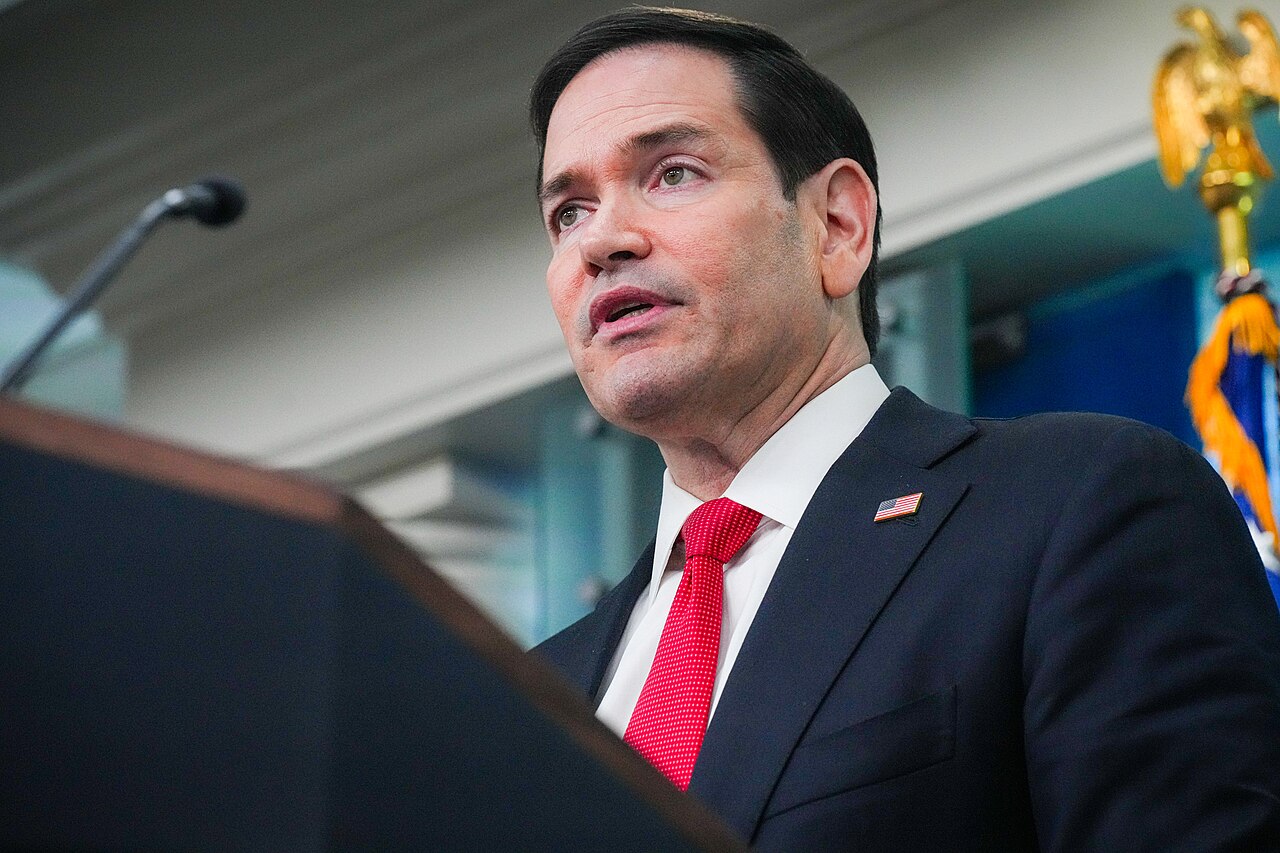
U.S. Secretary of State Marco Rubio said Tuesday that the Strait of Hormuz must remain open following recent U.S. strikes on Iran, stressing that global shipping routes are critical for international stability and energy markets. Speaking to reporters aboard his plane in Jaipur, India, Rubio stated that the strategic waterway “has to be open one way or the other,” underlining Washington’s position amid escalating tensions in the Middle East.
The Strait of Hormuz is considered one of the world’s most important oil transit chokepoints, with a significant portion of global crude exports passing through the narrow passage each day. Rubio’s comments come after U.S. military strikes targeting Iran on Monday increased fears of potential disruptions to global oil supplies and maritime trade routes.
Investors and global markets are closely monitoring the situation as concerns grow over the possibility of retaliation from Tehran. Any interruption in the Strait of Hormuz could impact oil prices, shipping operations, and energy security worldwide. Rubio’s remarks appeared aimed at reassuring allies and international markets that the United States intends to keep critical sea lanes operational.
The U.S. secretary of state also addressed ongoing diplomatic efforts involving Iran, saying the negotiating language of a possible agreement could take “a few days” to finalize. While he did not provide additional details about the negotiations, the statement suggested that diplomatic discussions remain active despite heightened military tensions.
The latest developments have intensified global attention on U.S.-Iran relations, regional security, and the future of Middle East stability. Analysts say the situation could have major implications for international energy markets, geopolitical risk, and global economic confidence if tensions continue to escalate in the coming days.
As diplomatic talks continue, the international community is watching closely for signs of de-escalation and efforts to avoid further conflict in the strategically vital Gulf region.







