


 World Bank Approves $1.1 Billion Emergency Funding for Bangladesh Amid Food and Energy Price Pressures
  Trump Suspends Some Morocco Fertilizer Tariffs to Ease U.S. Supply Shortage
  Argentina Economy Shrinks 1.5% in April, Recovery Under Milei Loses Momentum
  Japan Targets 1%+ Real Economic Growth With ¥370 Trillion Investment Plan
  Gold Price Ends Lower for Fourth Week Despite Rebound as Fed Rate Hike Bets Strengthen
  Gold Prices Drop as Fed Rate Outlook and Iran Tensions Weigh on Market
  US Stock Futures Rise as US-Iran Ceasefire Hopes Boost Market Sentiment
  China Sets 1.25% Overnight Reverse Repo Rate Below Market Expectations
  Asian Stocks Slip as US-Iran Ceasefire Hopes Lift Oil, Dollar Strength Persists
  Gold Price Falls as Fed Rate Hike Fears and U.S.-Iran Tensions Weigh on Bullion
  Global Financial Firms Shift Asia Expansion Focus to South Korea as China, India Face Caution
  Oil Prices Slip as U.S.-Iran Peace Talks and Strait of Hormuz Risks Keep Markets on Edge
  Trump Threatens 100% Tariffs on Countries Imposing Digital Services Taxes on U.S. Tech Firms
  China Factory PMI Seen Returning to Growth in June as AI Export Demand Supports Economy
  China Manufacturing PMI Edges Higher in June as Exports and AI Investment Boost Growth
  Economic pessimism has set in – but there are reasons for Australians to be hopeful


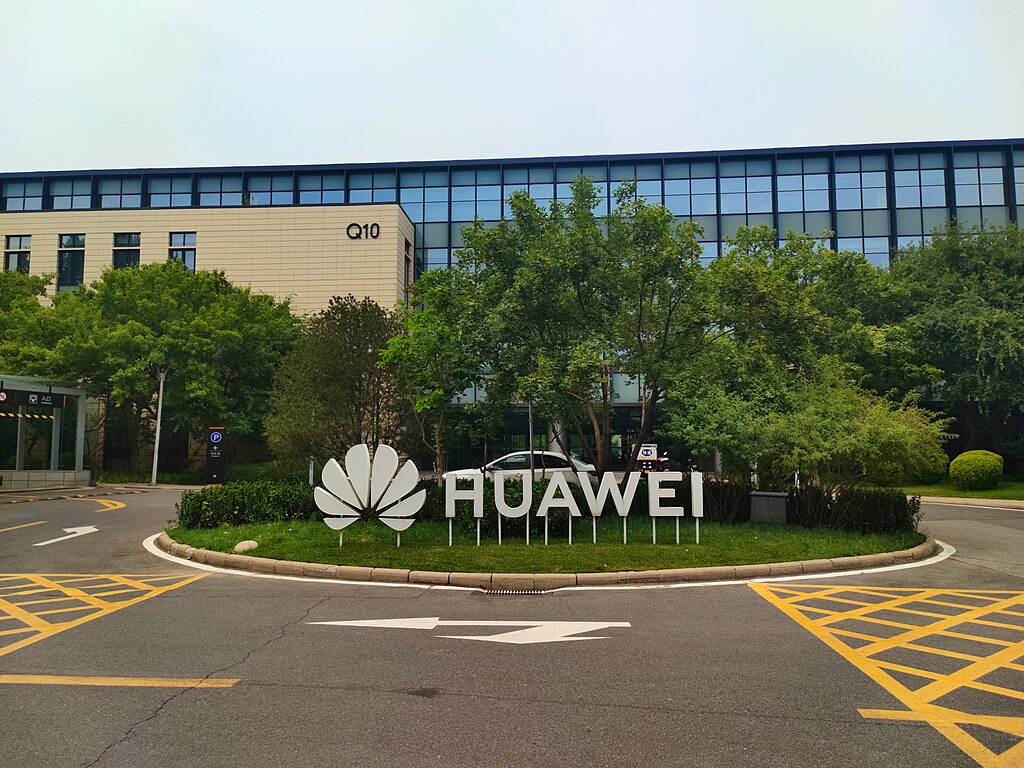
Hong Kong-listed semiconductor and artificial intelligence stocks surged on Tuesday after Huawei Technologies revealed a major breakthrough in chip design, fueling optimism about China’s push to reduce dependence on U.S. technology and strengthen its domestic semiconductor industry.
Trading resumed in Hong Kong after Monday’s public holiday, allowing investors to react to strong gains previously seen in mainland Chinese technology shares. The market rally reflected growing confidence in China’s AI and chip sectors as Beijing continues investing heavily in technological self-sufficiency amid rising U.S. export restrictions.
Semiconductor Manufacturing International Corp (SMIC) shares climbed more than 10%, while Hua Hong Semiconductor soared nearly 13%. Technology-related stocks also posted strong gains, with ASMPT advancing 11% and Lenovo Group jumping 16% during Tuesday trading.
Investor enthusiasm intensified after Huawei introduced its new “LogicFolding” chip architecture along with the company’s “Tau Scaling Law,” which aims to improve the production efficiency and performance of advanced semiconductor chips. Huawei confirmed that the technology will first appear in future Kirin smartphone processors later this year before expanding into its Ascend AI chips.
The company’s Ascend processors are increasingly viewed as China’s leading domestic alternative to Nvidia products, especially as U.S. export controls continue limiting Chinese access to advanced American semiconductor technology. Huawei’s latest innovation is seen as a significant step toward boosting China’s independent AI computing capabilities and expanding the country’s semiconductor ecosystem.
Analysts believe the announcement could accelerate investment in Chinese chipmakers, AI developers, and related technology companies. The latest rally highlights growing market confidence that Chinese firms can continue innovating despite geopolitical tensions and restrictions imposed by the United States.
The strong performance across Hong Kong technology shares underscores investor expectations that China’s semiconductor industry will remain a key growth sector in 2026 and beyond.







