


 UN Experts Condemn Trump’s Cuba Fuel Blockade Amid Deepening Energy Crisis
  Russian LNG Shadow Fleet Expands Amid Arctic LNG 2 Sanctions
  Iran Accuses U.S. of Violating Strait of Hormuz Ceasefire with Ship and Coastal Attacks
  Trump Administration Dismisses Entire National Science Board, Raising Concerns Over Scientific Independence
  U.S., South Korea Launch Shipbuilding Partnership Initiative
  Trump Reportedly Approves Plan to Remove FDA Commissioner Marty Makary Amid Growing Controversies
  Trump Says U.S. Navy Destroyers Passed Strait of Hormuz Under Iranian Fire
  Rubio Approves $25.8 Billion Weapons Sale to Middle East Allies
  Judge Delays SEC Settlement With Elon Musk Over Twitter Stock Disclosure Case
  Senate Stablecoin Bill Sparks Clash Between Banks and Crypto Industry
  Panama Defends Port Takeover Amid U.S.-China Tensions and Canal Dispute
  Federal and State Authorities Conduct Widespread Fraud Raids Across Minnesota
  Trump Inspects Lincoln Memorial Reflecting Pool Renovation in Washington
  US to Withdraw 5,000 Troops from Germany Amid Growing Rift with European Allies
  U.S. Budget Airlines Seek $2.5 Billion Government Aid Amid Rising Jet Fuel Costs
  Brazil Pension Fund Crackdown After Banco Master Collapse Raises Investment Concerns
  US-Iran Ceasefire Under Pressure as Fresh Strait of Hormuz Clashes Shake Oil Markets


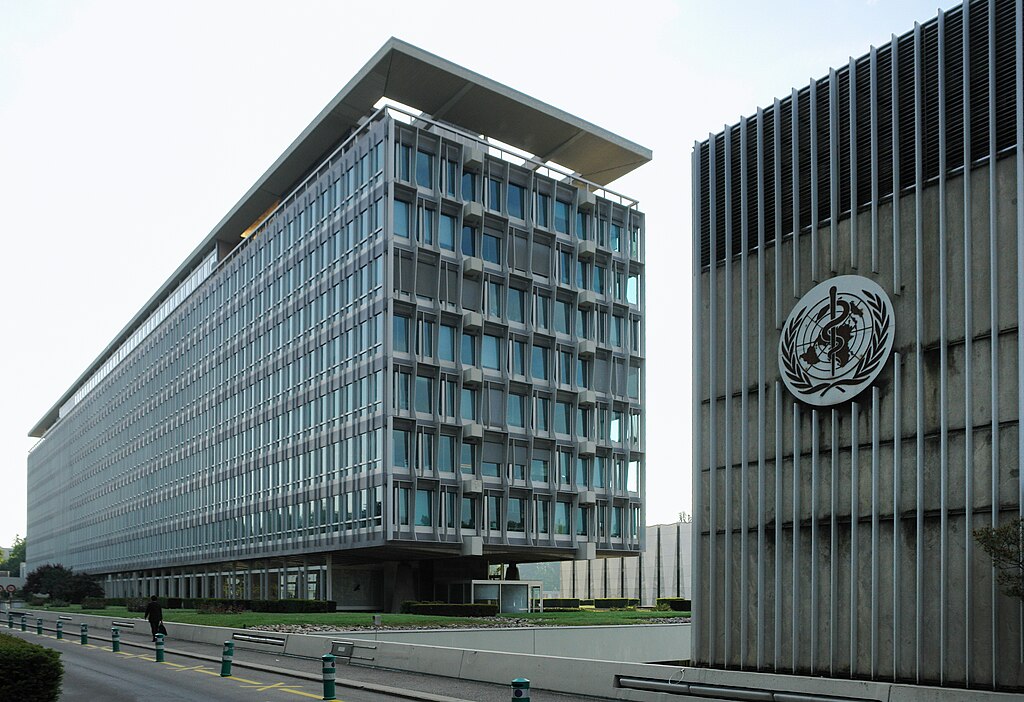
Hundreds of global health officials, diplomats, and donors are gathering in Geneva for the World Health Organization’s annual assembly amid a deepening funding crisis sparked by the U.S. withdrawal. Since President Donald Trump signed an executive order in January to exit the WHO, the agency has been preparing for a 21% budget cut, creating a $600 million funding gap for 2025.
The U.S., which historically contributed around 18% of WHO funding, remains a member until January 21, 2026, due to a year-long legal exit process. Trump cited dissatisfaction with WHO’s COVID-19 response, a claim the agency denies. Although he later suggested he might reconsider, there has been no indication of a policy reversal.
With the U.S. stepping back, China is poised to become the WHO’s largest state funder, increasing its share to 20% of assessed contributions. As WHO shifts toward “high-value” programs, its focus will remain on pandemic response, vaccine approvals, and essential disease guidelines, while scaling back training and operations in wealthier nations.
Internal restructuring has already begun, including staff cuts and budget reductions. WHO Foundation CEO Anil Soni noted the crisis has triggered a broader review of the agency’s operations, questioning the necessity of some programs and publications. Key health projects are now turning to private donors, such as the ELMA Foundation, which recently provided $2 million to support WHO’s global measles and rubella lab network.
The assembly will also approve a new pandemic preparedness agreement and seek additional donor funding. Still, the spotlight remains on how the WHO will function in a post-U.S. era, with one manager even requesting staff to volunteer as ushers without pay — a stark reflection of the financial strain facing global health governance.







