


 Federal Judge Restores Funding for Gateway Rail Tunnel Project
  Nicaragua Ends Visa-Free Entry for Cubans, Disrupting Key Migration Route to the U.S.
  Pentagon Ends Military Education Programs With Harvard University
  Ohio Man Indicted for Alleged Threat Against Vice President JD Vance, Faces Additional Federal Charges
  China Warns US Arms Sales to Taiwan Could Disrupt Trump’s Planned Visit
  Ghislaine Maxwell to Invoke Fifth Amendment at House Oversight Committee Deposition
  U.S. Lawmakers to Review Unredacted Jeffrey Epstein DOJ Files Starting Monday
  Netanyahu to Meet Trump in Washington as Iran Nuclear Talks Intensify
  Antonio José Seguro Poised for Landslide Win in Portugal Presidential Runoff
  Bosnian Serb Presidential Rerun Confirms Victory for Dodik Ally Amid Allegations of Irregularities
  Trump Signs Executive Order Threatening 25% Tariffs on Countries Trading With Iran
  Japan Election 2026: Sanae Takaichi Poised for Landslide Win Despite Record Snowfall
  Trump Says “Very Good Talks” Underway on Russia-Ukraine War as Peace Efforts Continue
  New York Legalizes Medical Aid in Dying for Terminally Ill Patients
  Israel Approves West Bank Measures Expanding Settler Land Access
  Trump Allows Commercial Fishing in Protected New England Waters


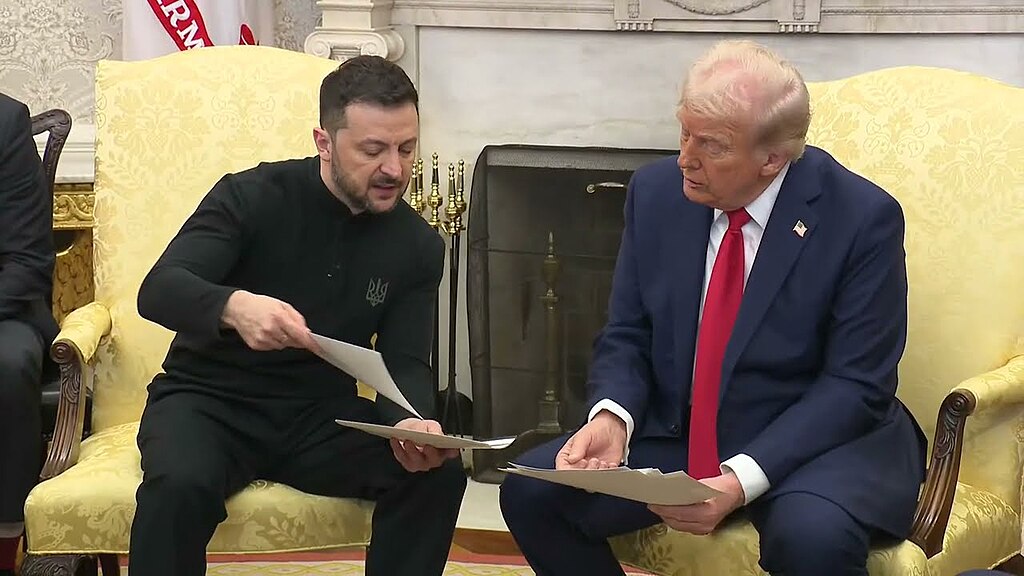
President Volodymyr Zelenskiy said on Tuesday that Ukraine is prepared to move forward with a U.S.-supported framework aimed at ending the war with Russia, while stressing that any final terms must involve direct talks with U.S. President Donald Trump and include key European allies. The statement comes as Washington and Kyiv attempt to narrow differences over Trump’s proposed peace plan, which Ukraine fears may pressure it into accepting concessions favorable to Moscow, including potential territorial losses.
In remarks shared with allied leaders, Zelenskiy emphasized that durable security arrangements in Europe require transparency and full participation from affected nations. He urged European partners to help finalize plans for a “reassurance force” to bolster Ukraine’s defenses and maintain support as long as Russia continues its military aggression. Zelenskiy underscored that Kyiv is ready for deeper engagement with the United States and Trump personally as negotiations progress.
Trump later said on social media that talks have resolved most major issues, revealing he has instructed envoy Steve Witkoff to meet Russian President Vladimir Putin in Moscow while Army Secretary Dan Driscoll meets Ukrainian officials. Trump expressed hope for a future meeting with both Zelenskiy and Putin once peace terms reach their final stages.
Despite diplomatic momentum, major sticking points remain. A Ukrainian diplomat stressed that territorial concessions remain one of the toughest unresolved issues. This concern was heightened as Kyiv endured another massive Russian missile and drone attack that killed seven people and disrupted power and heating across the capital.
U.S. and Ukrainian negotiators recently met in Geneva, while U.S.–Russia talks took place in Abu Dhabi. Ukrainian officials say they accept the general framework of the latest peace proposal but expect Zelenskiy and Trump to negotiate the most sensitive elements directly.
Concerns persist that the 28-point plan could require Ukraine to surrender additional territory, limit its military capabilities, and renounce NATO membership—conditions Kyiv has long rejected. With ongoing Russian offensives and political pressure rising after recent corruption scandals, Zelenskiy faces the difficult task of balancing international diplomacy with domestic resistance to any deal seen as undermining Ukraine’s sovereignty.













