


 Judge Orders Release of Family After Longest ICE Detention Under Trump Administration
  Argentina Court Upholds Cristina Kirchner Asset Seizure in Corruption Case
  Federal and State Authorities Conduct Widespread Fraud Raids Across Minnesota
  U.S. Sanctions Former DR Congo President Joseph Kabila Over Rebel Support
  China EV Truck Boom Accelerates as Iran War Drives Diesel Prices Higher
  Trump Says U.S. Navy Destroyers Passed Strait of Hormuz Under Iranian Fire
  Israel’s Secret Iraq Base Allegedly Supported Iran Air Campaign, WSJ Reports
  Google Secures Pentagon AI Deal for Classified Projects
  Federal Appeals Court Allows Texas SB4 Immigration Law Enforcement to Proceed
  US to Withdraw 5,000 Troops from Germany Amid Growing Rift with European Allies
  Supreme Court Asked to Reinstate Mail-Order Access to Abortion Pill Mifepristone
  Oil Prices Surge as U.S.-Iran Conflict Threatens Strait of Hormuz Supply Route
  Australia’s Wealthy Donors Shift Support to One Nation Amid Conservative Party Decline
  Asian Stocks Rally as Japan’s Nikkei Hits Record High on U.S.-Iran Peace Optimism
  Ghana Rejects U.S. Health Deal Over Data Sharing Concerns Amid Foreign Aid Shift
  Ukraine-Russia Ceasefire Confirmed as Prisoner Swap Deal Advances
  Russian LNG Shadow Fleet Expands Amid Arctic LNG 2 Sanctions


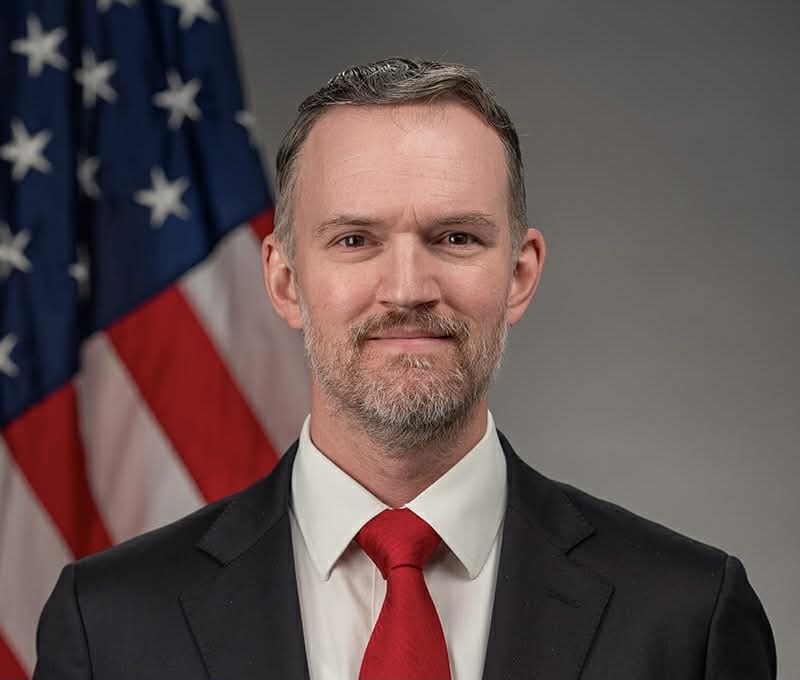
U.S. Trade Representative Jamieson Greer announced Friday that his office will begin several new investigations under Section 301 of the Trade Act of 1974, signaling a renewed focus on U.S. trade enforcement. The move comes shortly after the U.S. Supreme Court struck down tariffs ranging from 10% to 50% that had been imposed under the International Emergency Economic Powers Act (IEEPA).
According to Greer, the Section 301 investigations will target most major U.S. trading partners and address key trade concerns, including pharmaceutical product pricing, industrial overcapacity, forced labor practices, and alleged discrimination against American technology companies and digital goods. The decision underscores the Trump administration’s commitment to reshaping international trade policy and protecting U.S. economic interests.
Section 301 of the Trade Act of 1974 gives the U.S. Trade Representative authority to investigate and respond to unfair trade practices by foreign governments. These new probes are expected to examine whether certain policies or market behaviors harm U.S. businesses, distort global markets, or restrict fair competition.
Greer emphasized that despite the Supreme Court’s ruling on the IEEPA tariffs, the administration remains confident that trade agreements negotiated under President Donald Trump will stay intact. The court’s decision invalidated the emergency-based tariffs but does not affect existing bilateral or multilateral trade deals reached during Trump’s tenure.
The renewed use of Section 301 investigations highlights a strategic shift in U.S. trade policy, focusing on enforcement mechanisms embedded in longstanding trade law rather than emergency economic powers. By addressing issues such as excess industrial capacity and digital trade barriers, the administration aims to strengthen American competitiveness and ensure fair treatment for U.S. exporters and technology firms in the global marketplace.
The announcement signals a potentially significant escalation in trade scrutiny that could reshape relations with key economic partners in the months ahead.







