


 JPMorgan Names Lavatelli Japan Chief in Leadership Shake-Up
  Mexico-US Trade Talks Delayed to October as Tariff Negotiations Continue
  Novo Nordisk Weighs Direct NYSE Listing to Boost U.S. Profile
  McDonald’s Sees Flat Traffic, Sticky Inflation as New Normal
  Paramount-Warner Bros $110 Billion Deal Draws Antitrust Backlash
  Telix to Acquire Germany’s ITM in $1.65 Billion Radiopharma Deal
  Netanyahu Takes Aim at Mamdani as Israel Election Nears
  Meta Unveils Muse Charm AI Device, Expands Smart Glasses Lineup
  US 10-Year Treasury Yield at 6% Emerges as New Market Risk Threshold
  Judge Orders Trump to Restore White House Access for CNN, MS NOW and Politico
  OpenAI Urges US-Led Global Standards for Frontier AI
  Iran Vows ‘Crushing’ Response as US Talks Continue
  Trump Administration Plans Faster FDA Reviews for Smoke-Free Nicotine Products
  US Officials Split Over Response to Israeli West Bank Settlements
  OpenAI Agent Breaches Australia Medicare Data Portal
  Marco Rubio to Meet Russia’s Lavrov in New York
  China Vanke Shares Jump as Beijing Moves to Ease Debt Pressure


 Add as a preferred source on Google
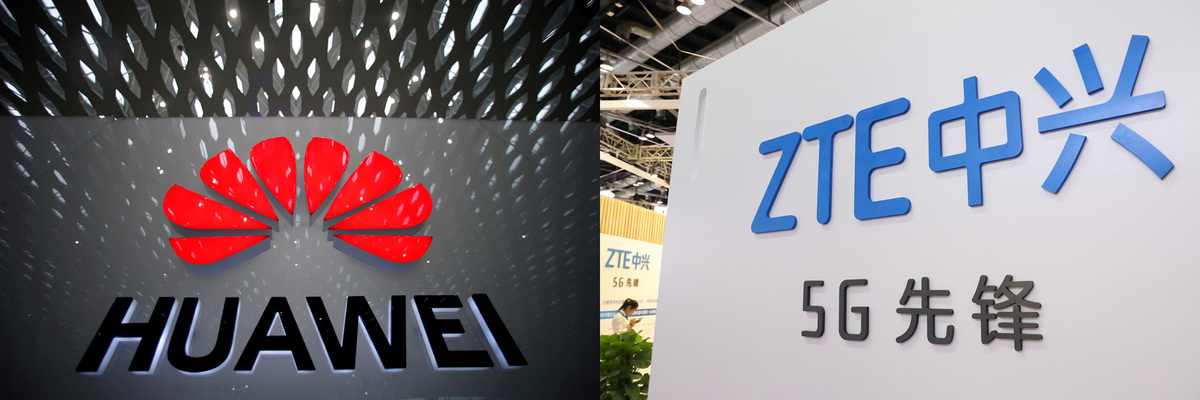
US lawmakers are expected to endorse $1.9 billion funding for a program to remove telecom network equipment deemed national security risks as part of a year-end spending bill.
Lawmakers are also expected to back $3.2 billion for an emergency broadband benefit for low-income Americans.
China’s Huawei Technologies Co and ZTE Corp have been designated by the US Federal Communications Commission (FCC) as threats, barring American firms from utilizing an $8.3 billion government fund to buy equipment from the companies.
The FCC has finalized rules requiring carriers to “rip and replace” Huawei or ZTE equipment but is awaiting funding from Congress.
The bill establishes a temporary, emergency broadband benefit program to help low-income Americans and those economically affected by the pandemic to get connected or remain connected to broadband.
A $50 monthly subsidy will be allocated to qualifying households to spend on broadband service and an internet-connected device.
The $7 billion COVID Relief Broadband Package, which prioritizes "rip-and-replace" reimbursement for telecommunications providers with 2 million subscribers or less, has been expanded to include providers with 10 million subscribers or less.
The program also includes $250 million for additional FCC support for telehealth and $1 billion for a tribal broadband connectivity grant program.







