


 France Hosts Israeli-Palestinian Peace Conference to Revive Two-State Solution
  Switzerland Rejects Population Cap Proposal, Preserving EU Labor Ties
  Oil Prices Fall as Iran-U.S. Deal Eases Supply Concerns
  E4 Nations Signal Readiness to Lift Iran Sanctions Following U.S.-Iran Peace Deal
  JCPOA Nuclear Deal Explained as U.S. Nears Potential New Iran Peace Agreement
  US Appeals Court Keeps Trump’s 10% Global Tariff in Effect During Ongoing Legal Battle
  New Zealand Manufacturing Slips Back Into Contraction in May
  Asian Stocks Rally as Trump Signals Iran Peace Deal; Tech and Chip Shares Rebound Strongly
  Carney and Macron Strengthen Canada-France Defense Ties Amid US Trade Uncertainty
  G7 Summit Protest in Geneva Turns Violent as Demonstrators Clash with Police
  Anthropic Officials Meet White House Over AI Model Outage
  Asian Currencies Mixed as Dollar Slips on Iran Peace Hopes and Fed Rate Outlook
  Mitch McConnell Hospitalized After Medical Incident in Washington
  Japan Core Inflation Seen Steady in May Ahead of BOJ Rate Hike
  US Stock Futures Rally as US-Iran Peace Deal Boosts Market Sentiment Ahead of Fed Meeting
  Goldman Sachs: US Dollar Likely to Stay Strong Despite Oil Price Retreat
  IMF Advances Ukraine Loan Program, Clears $690M Disbursement


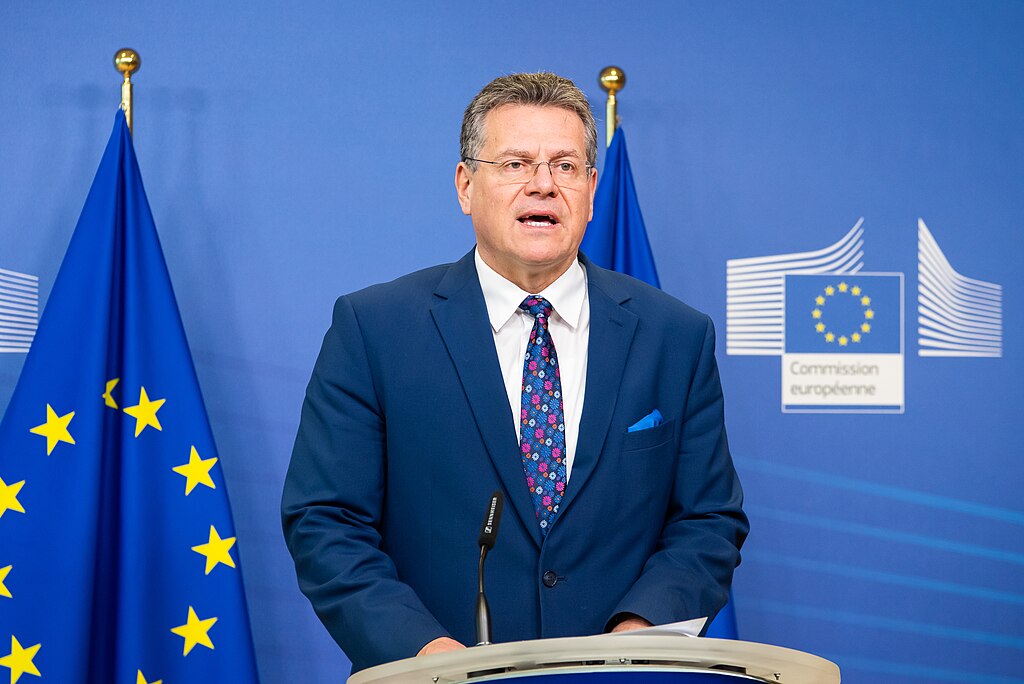
The United States and the European Union have taken a major step toward strengthening their supply chains for critical minerals, aiming to reduce reliance on China and boost advanced manufacturing capabilities. On Friday, U.S. Secretary of State Marco Rubio and EU Trade Commissioner Maros Sefcovic signed a memorandum of understanding (MOU) focused on securing and producing essential raw materials used in industries such as semiconductors, electric vehicles, and defense technologies.
The agreement highlights growing concerns among Western economies about supply chain vulnerabilities and the risks posed by overdependence on a limited number of suppliers. While China was not directly mentioned in Rubio’s remarks, the move reflects a broader strategy to counterbalance its dominance in mineral processing and global supply networks.
China has historically leveraged its control over critical minerals by adjusting exports, influencing prices, and limiting other nations’ ability to diversify sourcing. This has raised alarms among the U.S. and EU, prompting coordinated efforts to create more resilient and diversified supply chains. Rubio emphasized that excessive concentration of these resources presents a significant economic and security risk, making diversification essential.
In parallel, U.S. Trade Representative Jamieson Greer announced a joint action plan with the EU to align trade policies and address what both parties described as “non-market practices” that distort global supply chains. Proposed measures include border-adjusted price floors, standards-based trading systems, subsidies to close pricing gaps, and long-term offtake agreements for selected minerals.
Sefcovic noted that the success of the initiative will depend on execution, with pilot projects expected to launch before year-end. The partnership also opens the door for broader cooperation with like-minded countries, building a plurilateral framework to enhance supply chain resilience worldwide.
Additional areas of collaboration include mining standards, recycling practices, investment screening, and emergency response mechanisms to prevent disruptions. The agreement underscores a unified transatlantic effort to secure critical minerals and support future-focused industries.







