


 US-Iran Ceasefire Talks Underway: What You Need to Know
  WTO Reform Talks Begin in Cameroon Amid Global Trade Tensions
  FEMA Reinstates $1 Billion Disaster Prevention Grant Program After Court Order
  Denmark Election 2026: Frederiksen Eyes Third Term Amid Trump-Greenland Tensions
  Trump Administration Opens Two New Investigations Into Harvard Over Discrimination and Antisemitism
  G7 Foreign Ministers Gather in France Amid Global Tensions and U.S. Policy Uncertainty
  Russia Strikes Kharkiv and Izmail as Cross-Border Drone War Escalates
  Iran Demands Lebanon Be Part of Any Ceasefire Deal With Israel and the U.S.
  Jay Bhattacharya to Continue Leading CDC as White House Searches for Permanent Director
  U.S.-Iran Peace Talks Gain Momentum Amid Ongoing Conflict
  U.S. Deploys Elite 82nd Airborne Troops to Middle East Amid Iran Tensions
  Denmark Election 2025: Social Democrats Suffer Historic Losses Amid Migration and Cost-of-Living Tensions
  Cuba Receives Humanitarian Aid Convoy Amid U.S. Sanctions
  Trump Backs Down on Iran Strikes After Gulf Allies Sound the Alarm
  Kristi Noem Ends Western Hemisphere Tour in Diminished Role After DHS Firing
  Trump's Overhaul of American History: Museums, Monuments, and Cultural Institutions
  Taiwan Arms Deal on Track Despite U.S.-China Summit Uncertainty


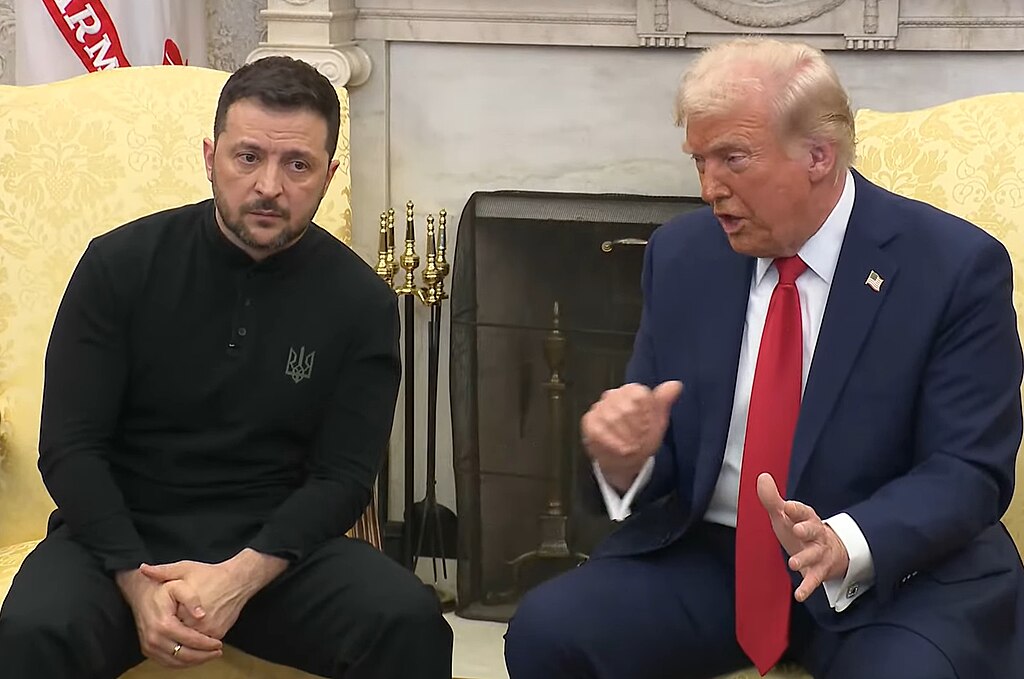
U.S. and Ukrainian officials worked on Monday to narrow differences over a potential peace plan to end the war, announcing that they had drafted a “refined peace framework” after high-level talks in Geneva. While the details remain undisclosed, the updated proposal earned cautious approval from several European allies. President Volodymyr Zelenskiy said Ukraine’s delegation had returned home to report on the discussions, which he later described as incorporating “correct” points, though several sensitive issues still require direct talks with U.S. President Donald Trump.
Trump signaled optimism on Truth Social, hinting that meaningful progress might be underway, while the White House acknowledged a few remaining disagreements but expressed confidence they could be resolved. Despite Trump’s push for a swift resolution, no meeting with Zelenskiy has yet been scheduled.
The latest U.S. proposal, a 28-point framework, surprised officials in Washington, Kyiv, and across Europe. Many feared it leaned too heavily toward Moscow, echoing concerns raised after Trump’s unexpected Alaska summit with Vladimir Putin earlier this year. The plan reportedly calls for Ukraine to relinquish additional territory, accept limits on its military, and agree never to join NATO—terms Kyiv views as unacceptable and equivalent to capitulation.
European allies quickly drafted an alternative plan that would freeze fighting along current front lines, postpone territorial decisions, and offer Ukraine a U.S.-backed security guarantee similar to NATO protection. Russia dismissed this version as unworkable.
The diplomatic push comes as Zelenskiy faces weakened political standing at home following corruption scandals and as Russian forces gain ground. Public sentiment in Ukraine remains strongly opposed to concessions; many citizens view Trump’s initial plan as a surrender of national interests.
Even as negotiations continue, the war’s toll persists. A major drone strike on Kharkiv killed four people over the weekend, while Russia reported intercepting Ukrainian drones near Moscow. European leaders urged caution, emphasizing that any agreement must protect Ukraine and broader regional security.













