


 Trump Signs Executive Order Threatening 25% Tariffs on Countries Trading With Iran
  Trump Lifts 25% Tariff on Indian Goods in Strategic U.S.–India Trade and Energy Deal
  Anutin’s Bhumjaithai Party Wins Thai Election, Signals Shift Toward Political Stability
  Nicaragua Ends Visa-Free Entry for Cubans, Disrupting Key Migration Route to the U.S.
  Global Markets Slide as AI, Crypto, and Precious Metals Face Heightened Volatility
  FDA Targets Hims & Hers Over $49 Weight-Loss Pill, Raising Legal and Safety Concerns
  Panama Supreme Court Voids Hong Kong Firm’s Panama Canal Port Contracts Over Constitutional Violations
  China Extends Gold Buying Streak as Reserves Surge Despite Volatile Prices
  New York Legalizes Medical Aid in Dying for Terminally Ill Patients
  U.S.-India Trade Framework Signals Major Shift in Tariffs, Energy, and Supply Chains
  Vietnam’s Trade Surplus With US Jumps as Exports Surge and China Imports Hit Record
  Trump’s Inflation Claims Clash With Voters’ Cost-of-Living Reality
  Trump Allows Commercial Fishing in Protected New England Waters
  Trump Administration Appeals Court Order to Release Hudson Tunnel Project Funding
  Russian Stocks End Mixed as MOEX Index Closes Flat Amid Commodity Strength
  Trump Says “Very Good Talks” Underway on Russia-Ukraine War as Peace Efforts Continue


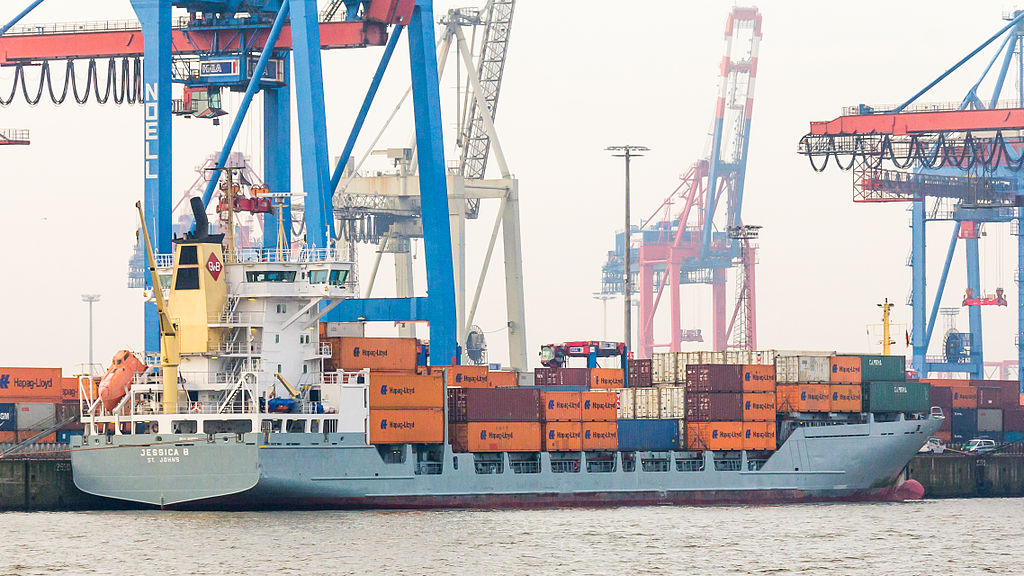
The U.S. is set to impose fees on Chinese-made ships entering its ports and introduce tax incentives to revive domestic shipbuilding, aiming to curb China’s influence over the $150 billion global shipping industry. A draft executive order by President Donald Trump outlines an 18-point plan, including a Maritime Security Trust Fund and tax credits to boost U.S. shipbuilding.
The White House is establishing an office within the National Security Council to coordinate efforts in strengthening the maritime industrial base. Trump's initiative has garnered bipartisan support, with Jake Sullivan, former national security adviser under Joe Biden, acknowledging China's unfair trade practices as a major threat to U.S. shipbuilding.
Decades of Chinese market dominance and dwindling U.S. naval readiness have raised concerns among lawmakers. The Biden administration’s recent trade probe found that China employs unfair practices to control the sector. The U.S. Trade Representative's office has proposed charging up to $1.5 million per Chinese-built vessel entering American ports.
Trump also celebrated BlackRock's acquisition of most of Hong Kong’s CK Hutchison’s $22.8 billion ports business, securing control over key Panama Canal ports. His administration aims to reclaim strategic maritime assets from Chinese ownership.
Additionally, bipartisan legislation has been reintroduced to monitor China’s port expansion globally. The draft plan also mandates a review of government procurement, wage increases for nuclear shipyard workers, and an Arctic security strategy.
Michael Wessel, a long-time advocate for revitalizing U.S. industry, emphasized the urgency of investing in supply chains and workforce development. "We can still lead industrially, but we must act now," he said.
With increasing bipartisan backing, the U.S. is ramping up efforts to regain its competitive edge in maritime industries and safeguard national security.













