


 Trump Lifts 25% Tariff on Indian Goods in Strategic U.S.–India Trade and Energy Deal
  Trump Congratulates Japan’s First Female Prime Minister Sanae Takaichi After Historic Election Victory
  Nicaragua Ends Visa-Free Entry for Cubans, Disrupting Key Migration Route to the U.S.
  New York Legalizes Medical Aid in Dying for Terminally Ill Patients
  Trump Backs Nexstar–Tegna Merger Amid Shifting U.S. Media Landscape
  Taiwan Says Moving 40% of Semiconductor Production to the U.S. Is Impossible
  Sydney Braces for Pro-Palestine Protests During Israeli President Isaac Herzog’s Visit
  Antonio José Seguro Poised for Landslide Win in Portugal Presidential Runoff
  Jack Lang Resigns as Head of Arab World Institute Amid Epstein Controversy
  Trump Administration Appeals Court Order to Release Hudson Tunnel Project Funding
  Anutin’s Bhumjaithai Party Wins Thai Election, Signals Shift Toward Political Stability
  Trump Slams Super Bowl Halftime Show Featuring Bad Bunny
  China Overturns Death Sentence of Canadian Robert Schellenberg, Signaling Thaw in Canada-China Relations
  Ohio Man Indicted for Alleged Threat Against Vice President JD Vance, Faces Additional Federal Charges
  Trump’s Inflation Claims Clash With Voters’ Cost-of-Living Reality
  US Pushes Ukraine-Russia Peace Talks Before Summer Amid Escalating Attacks
  Japan’s Prime Minister Sanae Takaichi Secures Historic Election Win, Shaking Markets and Regional Politics


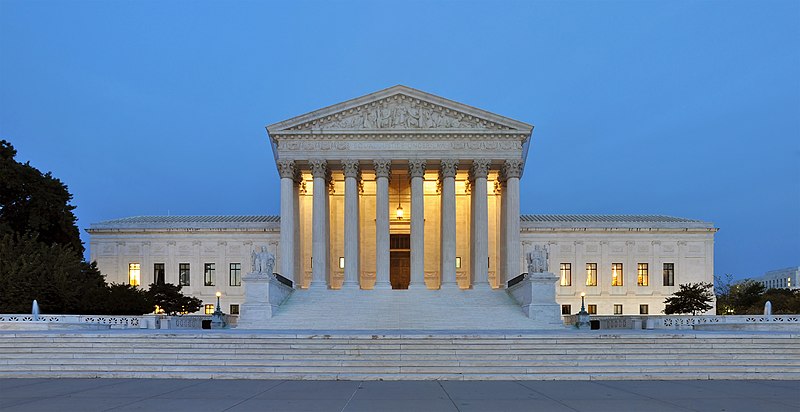
The United States Supreme Court justices and federal judges are now made to adhere to stricter public disclosure rules. The rules would require the judges to disclose free trips, meals, or gifts received following calls by lawmakers and judicial transparency advocates.
A letter from the federal judiciary’s administrative wing confirmed the changes the justices and the judges are now required to adhere to was published on Tuesday by Democratic Senator Sheldon Whitehouse, a member of the Senate Judiciary Committee who has long called for ethics reforms at the Supreme Court. Whitehouse said the disclosure rules for the judiciary are more relaxed than other branches of government.
“These new rules will make it much harder for justices to travel, dine, hunt, or vacation for free at the private resort of a wealthy corporate executive – especially one with business before their court – and avoid disclosing that information to the public,” said Whitehouse in a statement.
The changes took effect on March 14 and were adopted by a panel of the Judicial Conference, the policy-making body of the judiciary. The details of the changes were revealed in a March 23 letter to Whitehouse by federal judge Roslynn Mauskopf, the director of the Administrative Office of the US Courts. Supreme Court justices and federal judges must disclose stays at commercial properties like hotels and resorts and gifts of hospitality paid for by an entity or third-party other than the provider.
However, judges still do not have to disclose gifts that include food, lodging, or entertainment extended by an individual for non-business purposes.
Whitehouse and other Democratic lawmakers have also introduced legislation that would require the Supreme Court to adopt a code of ethics, strengthen recusal standards for judges, and boost financial disclosure requirements. Last year, Congress passed legislation that further required judges to periodically disclose stock trades.
Meanwhile, a group of senior Democratic lawmakers is set to introduce legislation that would further ensure that weapons sales by the United States to foreign customers do not end up contributing to human rights abuses. The legislation, referred to as the Safeguard Act, would codify the new Conventional Arms Transfer policy that was introduced in February by the Biden administration to increase the emphasis on human rights concerns, according to information seen by Reuters.
Democratic senator Bob Menendez, who chairs the Senate Foreign Relations Committee, and Rep. Gregory Meeks, the ranking Democrat in the House Foreign Affairs Committee, are leading the legislation with nine other congressional Democrats.













