


 US Reviews Mexican Consulates Amid Rising Diplomatic Tensions
  Australia Targets Meta, Google, and TikTok With New News Payment Tax Proposal
  Vietnam Plans AI-Driven Propaganda Push With Influencers and Podcasts
  U.S. Fast-Tracks $8.6 Billion Arms Sales to Middle East Allies Amid Rising Tensions
  Google Secures Pentagon AI Deal for Classified Projects
  Federal and State Authorities Conduct Widespread Fraud Raids Across Minnesota
  US Launches Retaliatory Strikes on Iran Amid Rising Strait of Hormuz Tensions
  TikTok Nears $400 Million Settlement With Trump Administration Over Child Privacy Lawsuit
  Israel Expands Gaza Restricted Zones, Raising Concerns for Civilians and Aid Access
  Brazil Pension Fund Crackdown After Banco Master Collapse Raises Investment Concerns
  Trump-Xi Beijing Summit to Focus on Trade, Taiwan, and Boeing Deal
  Rubio Presses Italy Over Iran Support as Tensions Test U.S.-Italy Alliance
  Trump Reportedly Approves Plan to Remove FDA Commissioner Marty Makary Amid Growing Controversies
  Trump Administration Dismisses Entire National Science Board, Raising Concerns Over Scientific Independence
  Trump Invites Top CEOs Including Nvidia, Apple, Boeing to China Summit With Xi Jinping
  New York Moves to Ban Masked Law Enforcement During Immigration Operations
  Trump Inspects Lincoln Memorial Reflecting Pool Renovation in Washington


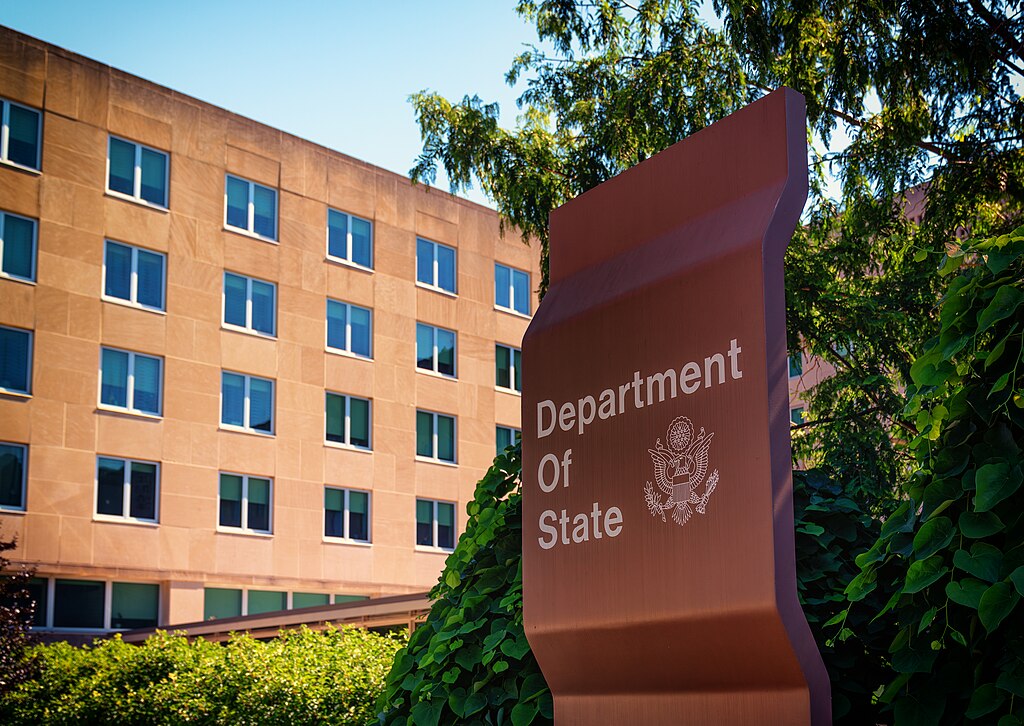
The U.S. State Department announced it is increasing charter flight operations from the Middle East as thousands of American citizens remain stranded following the outbreak of the U.S.-Israeli conflict with Iran. The move comes after growing criticism from lawmakers regarding the Trump administration’s early response and the limited assistance initially offered to Americans attempting to leave the region.
The escalating conflict began with strikes on Saturday, followed by retaliatory missile and drone attacks from Iran targeting U.S. diplomatic facilities and neighboring countries. The hostilities have triggered widespread airspace closures across the Middle East, severely disrupting international travel and creating congestion along major aviation routes. As a result, thousands of travelers, including U.S. citizens, have been unable to secure flights out of the region.
In response to the security threats, several American diplomatic missions have been temporarily closed. The State Department confirmed that operations at the U.S. Embassy in Kuwait have been suspended as a precaution. Officials stated that no injuries to U.S. personnel have been reported so far.
Secretary of State Marco Rubio directed the State Department to accelerate evacuation efforts. On Wednesday, the department confirmed that the first U.S. government-organized charter flight departed the region bound for the United States. However, officials did not disclose the specific departure location. According to Assistant Secretary of State for Global Public Affairs Dylan Johnson, additional charter flights and ground transportation services are now being arranged to assist Americans trying to leave the region.
Johnson stated on social media platform X that evacuation operations will continue to expand, with more flights and transportation options being deployed. U.S. citizens currently located in Kuwait, Bahrain, the United Arab Emirates, Qatar, Saudi Arabia, and Israel have been advised to complete a crisis intake form to receive updates about evacuation flights and available transport assistance.
The State Department also revealed that a newly established crisis task force has already provided guidance and support to more than 10,000 Americans since the conflict began.
Earlier in the crisis, the U.S. government had only issued travel warnings urging citizens in Israel and Lebanon to remain cautious. However, Iran’s retaliatory strikes have expanded across the region, affecting U.S. facilities and civilian infrastructure in multiple countries, including several Gulf states that serve as major international travel hubs.
Following the escalation, the U.S. issued security alerts for American citizens in Kuwait, the United Arab Emirates, Iraq, Qatar, and Bahrain. On Monday, U.S. officials urged Americans across 14 Middle Eastern countries to leave the region immediately using available commercial transportation. The announcement drew criticism because it did not include any government-backed evacuation plans at the time.
With the conflict continuing to disrupt travel and threaten regional stability, the State Department’s expanded charter flight program is expected to play a crucial role in helping U.S. citizens safely depart the Middle East. Officials say they will continue monitoring the situation and provide updates as evacuation operations progress.







