


 OpenAI AI Agent Swarm Behind Hugging Face Hack
  Meta Agrees to $18 Billion Settlement, Tightens Teen Social Media Rules
  Unitree Shares Plunge 45% After Blockbuster IPO, Raising China Tech Bubble Fears
  HP Stock Drops 9% Despite Q3 Earnings Beat and Raised 2026 Outlook
  Samsung Shares Tumble 8% as $79 Billion Return Plan Disappoints
  Street Poller Media and The Boom of the Street Interview Ad Industry
  Nvidia Options Price in $280 Billion Earnings Swing
  Google Expands Gemini Enterprise With AI Tools for Legal Sector
  Luxshare Shares Rise as First-Half Profit Jumps 18%
  PayPal Shares Sink as $50 Billion Takeover Bid Collapses
  Trump Administration Plans New Drug Pricing Deals With Biotech Firms
  Yindjibarndi Appeals Fortescue Mining Compensation Ruling
  GM Plans C$1.1 Billion Canada Investment Amid U.S. Tariff Pressure
  Nvidia Reportedly Eyes $13 Billion Hugging Face Acquisition
  Trump Buys SpaceX Shares After Record IPO


 Add as a preferred source on Google
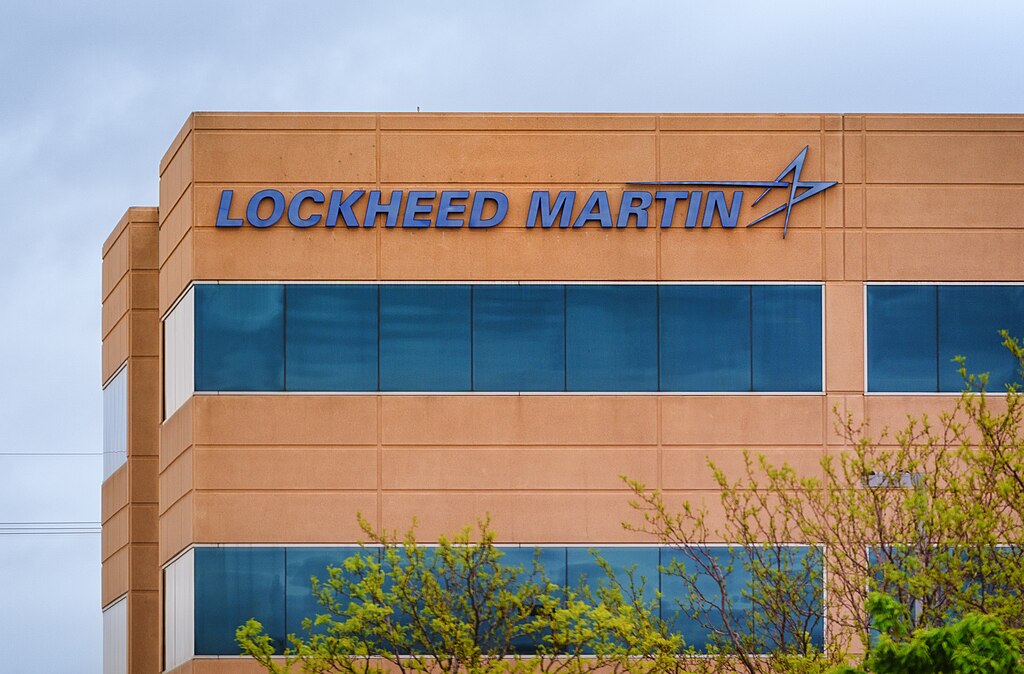
The U.S. Space Force has quietly awarded several small Golden Dome contracts to major defense companies, initiating a competitive push to develop next-generation missile-defense technology. According to sources familiar with the awards, recipients include Northrop Grumman, Lockheed Martin, True Anomaly and Anduril—marking a significant step toward building space-based systems capable of detecting, tracking and intercepting enemy missiles.
These early-stage contracts focus on creating prototype space-based interceptors and advanced fire-control systems designed to guide those interceptors using satellite data. While the exact contract values were not disclosed, a Pentagon presentation from July indicated interceptor awards were expected to be around $120,000 each. A Space Force spokesperson confirmed the awards but declined to identify the companies, noting that contracts under $9 million are not required to be publicly listed.
Two sources stated that Northrop Grumman and Anduril received contracts valued at roughly $10 million based on figures from the July presentation. The government originally requested four versions of missile interceptors to address different threat altitudes and speeds, though a third source noted these four pools could be consolidated into three.
These prototype contracts are only the beginning. Companies selected in this phase will go on to compete for full-scale production deals potentially worth tens of billions of dollars. The Pentagon’s structure uses “prize pools” to incentivize rapid innovation, with the largest—valued at $340 million—reserved for companies that successfully complete on-orbit tests. First-place performers could earn $125 million, while fifth place could secure $40 million.
Ultimately, annual production awards for space-based interceptors are estimated between $1.8 billion and $3.4 billion. But industry executives caution that building and testing a single prototype could cost anywhere from $200 million to $2 billion. If successful, the program would revolutionize U.S. missile-defense capabilities by positioning interceptors in orbit to neutralize threats earlier in their trajectory than current ground-based systems allow.







