


 Honduras Court Drops Charges Against Ex-President Juan Orlando Hernandez
  Greenland Says US Talks Remain Ongoing
  US Strikes Iran as Tehran Retaliates, Oil Prices Surge
  Trump Secures Drug Pricing Deals With Nine Pharma Companies
  USS Abraham Lincoln Arrives in Thailand After Record 200 Days at Sea
  Nicaragua Congress Backs Reform Banning Opposition Parties
  US Strikes Iran IRGC Targets as Conflict Escalates
  North Korea Vows to Strengthen Nuclear Arsenal Amid U.S. Tensions
  Brazil, US Resume Tariff Talks as Trade Tensions Persist
  Putin Says Russia Is Winning Ukraine War
  U.S., New Zealand Fund $60M Cook Islands Port Upgrade
  Nepal Seeks More China Glacier Data After Deadly Himalayan Flood
  US Approves $800 Million Helicopter Sale to Iraq
  Flavio Bolsonaro Pledges to Respect Brazil Election Result
  Ed Markey Wins Massachusetts Democratic Senate Primary
  Ukraine Sanctions Chief Heads to Washington to Push Russia Bill
  Trump Says ExxonMobil Among Oil Majors Planning Venezuela Return


 Add as a preferred source on Google
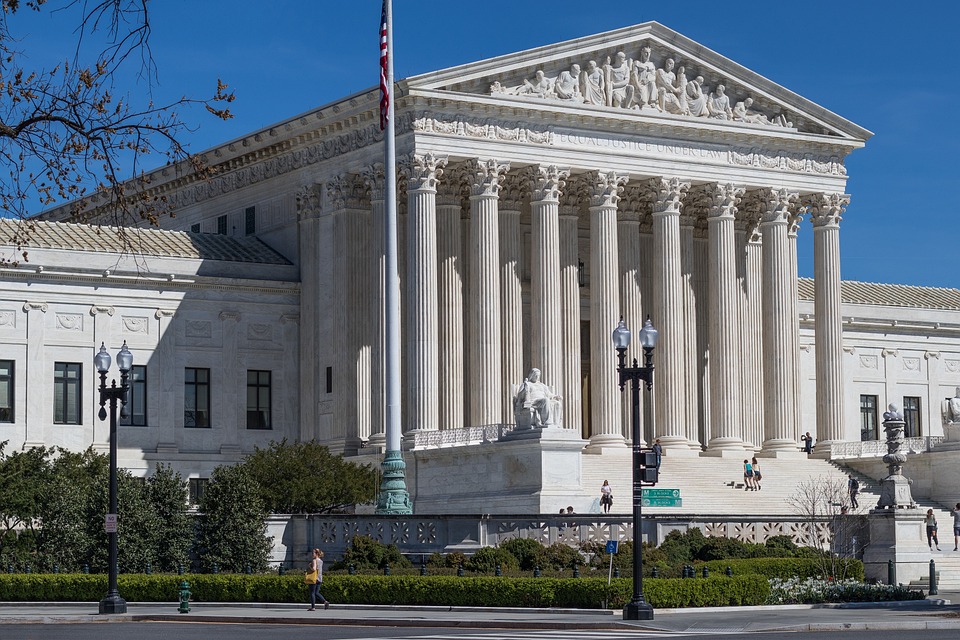
The United States Supreme Court heard arguments to a challenge to a law pertaining to the adoption or foster care placements of Native American children. Following three hours of arguments from both sides, the justices appeared divided.
The Supreme Court Justices on Wednesday appeared divided over the legal challenge to the legality of the requirements giving priority to the adoption and foster care placements of Native Americans and tribal members. A group of non-Native Americans and the Republican officials of Texas challenged the requirements when the lower courts declared parts of the law unconstitutional. The Biden administration and several Native American tribes are defending the law.
The Conservative-majority justices did not appear willing to entirely strike down the Indian Child Welfare Act of 1978. However, their questions underlined divisions on whether Congress overstepped its authority in passing the legislation. The justices also appeared to be divided over whether the provisions in the law racially discriminate against non-Native Americans, as the plaintiffs have argued.
The 1978 Indian Child Welfare Act would give “preference” to members of a child’s extended family, other tribe members, or “other Indian families” when it comes to adoptions. The law aimed to reinforce tribal connections by setting federal standards for removal or placement in foster care or adoption.
Some of the court’s Conservative justices have expressed concerns about the third preference of “other Indian families.” However, the three Liberal justices and Conservative justice Neil Gorsuch were in favor of the law, saying that Congress saw the legislation as necessary to protect sovereign tribes from extinction.
The day before, the justices signaled that they are unlikely to rule against preventing people who depend on federal assistance programs such as Medicaid from suing when the states violate their rights even as the high court considers barring cases surrounding nursing home care. The justices heard an appeal from the Health and Hospital Corp of Marion County from Indiana.
The plaintiff appealed the ruling of a lower court in favor of the family of Gorgi Talevski, a nursing home resident who is diagnosed with dementia, to pursue a lawsuit against the facility, citing that Talevski’s rights were violated.







