


 OpenAI Data Center Chief Chris Malone Exits Ahead of Planned 2027 Listing
  Itochu Offers $1.56 Billion to Privatize Dentsu Soken
  HP Stock Drops 9% Despite Q3 Earnings Beat and Raised 2026 Outlook
  U.S. Probes Apex Logistics Over Nvidia AI Chip Shipments to China
  Nvidia Eyes Perplexity Investment at $30 Billion Valuation
  Yindjibarndi Appeals Fortescue Mining Compensation Ruling
  FAA to Pause Reagan National Airport Flights for Freedom 250 IndyCar Race
  Nvidia Reportedly Eyes $13 Billion Hugging Face Acquisition
  Amazon Secures 200 MW Wind Power Deals in Sweden
  Google Changes EU Spam Policy Amid Antitrust Scrutiny
  SoftBank Eyes $20 Billion Bond Sale to Refinance OpenAI Loan
  Nvidia Revenue Soars 106% as AI Demand Hits ‘Inflection Point’
  Trump Administration Pauses Visa Appointments Worldwide
  New Zealand Moves to Ban Social Media for Children Under 16
  Judge Blocks Trump Mail Voting Order Ahead of 2026 Midterms
  SK Biopharmaceuticals Secures Global Rights to Biohaven Epilepsy Drug Opakalim


 Add as a preferred source on Google
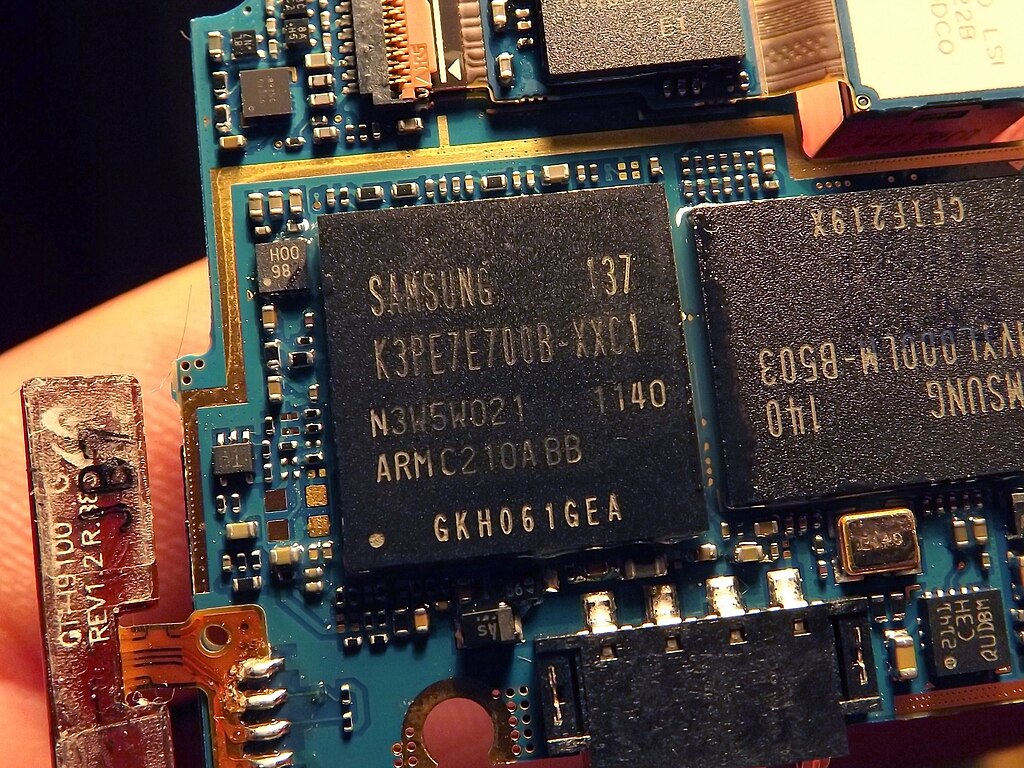
The United States is considering new rules that would require Samsung Electronics and SK Hynix to seek yearly approvals for exporting chipmaking equipment to their factories in China, according to a Bloomberg report. The proposal marks a shift from the indefinite authorizations the companies previously held under the Biden administration, signaling tighter oversight of semiconductor supply chains linked to China.
Sources cited by Bloomberg revealed that U.S. Commerce Department officials recently introduced a “site license” concept during talks with South Korean counterparts. This approach would replace the existing open-ended approvals with an annual review process, giving Washington greater control over advanced chipmaking tools supplied to facilities in China.
The move comes amid heightened U.S.-China tensions over technology access and efforts to restrict China’s ability to advance in semiconductor production. By requiring yearly checks, U.S. authorities aim to balance national security concerns with the global chip industry’s need for stability. Samsung and SK Hynix, two of the world’s leading memory chipmakers, have extensive investments in China, making them key stakeholders in the evolving policy.
While the report highlights growing scrutiny, it also underscores ongoing negotiations between Washington and Seoul. South Korea remains a crucial ally in U.S. semiconductor strategy, and any policy shift could affect global supply chains. As the semiconductor industry faces rising demand and geopolitical challenges, the proposed changes signal that U.S. export controls will continue to play a central role in shaping the future of chip manufacturing.
Reuters has not independently verified Bloomberg’s report, but the development highlights the uncertainty chipmakers face as global governments tighten regulations around critical technologies.







