


 U.S. Sanctions Former DR Congo President Joseph Kabila Over Rebel Support
  Israel’s Secret Iraq Base Allegedly Supported Iran Air Campaign, WSJ Reports
  Medicare to Cover GLP-1 Weight-Loss and Diabetes Drugs Starting July 1
  US Adds European Union to Section 301 Watchlist Amid Trade Concerns
  U.S. Fast-Tracks $8.6 Billion Arms Sales to Middle East Allies Amid Rising Tensions
  Senate Stablecoin Bill Sparks Clash Between Banks and Crypto Industry
  White House Withdraws Trump’s National Park Service Nominee Amid Criticism
  Iran Accuses U.S. of Violating Strait of Hormuz Ceasefire with Ship and Coastal Attacks
  US Reviews Mexican Consulates Amid Rising Diplomatic Tensions
  Trump Administration Releases New UFO Files and Apollo Mission Records
  Google Secures Pentagon AI Deal for Classified Projects
  Russia Downs Over 50 Drones Near Moscow Ahead of Victory Day Ceasefire
  U.S., South Korea Launch Shipbuilding Partnership Initiative
  Trump Invites Top CEOs Including Nvidia, Apple, Boeing to China Summit With Xi Jinping
  Trump Expands Cuba Sanctions Targeting Key Sectors and Foreign Entities
  Vietnam Plans AI-Driven Propaganda Push With Influencers and Podcasts


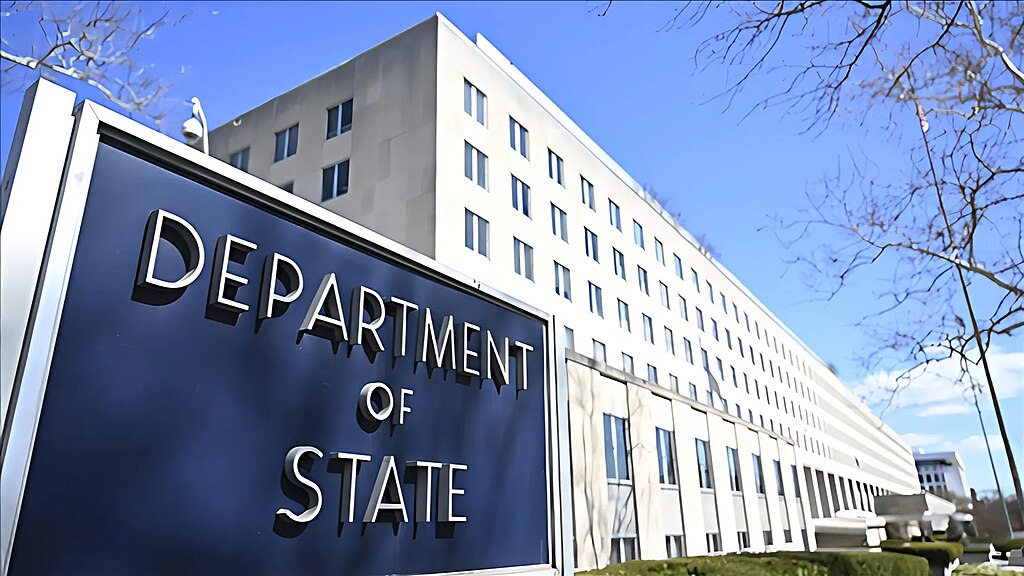
The U.S. State Department has begun offering financial incentives to Afghans stranded in Qatar to encourage voluntary repatriation, as officials move to shut down Camp As Sayliyah (CAS) by the end of March. The facility, a former U.S. Army base, has housed more than 1,100 Afghans since early last year after the Trump administration paused Afghan resettlement programs.
Many of those at the Qatar camp reportedly fear Taliban retaliation due to past ties with the U.S. military. Advocacy groups say the population includes civilian refugees, women who worked alongside U.S. forces during the 20-year war in Afghanistan, and relatives of American service members. Critics argue that returning to Afghanistan could put these individuals at significant risk.
During a House Foreign Affairs subcommittee hearing, Assistant Secretary of State for South and Central Asia S. Paul Kapur stated that the U.S. government is not forcibly deporting anyone. According to Kapur, approximately 150 Afghans have already accepted financial assistance to return voluntarily. However, he acknowledged that he did not know what happened to them after they arrived back in Afghanistan.
While the State Department has not disclosed official payment figures, Shawn VanDiver of #AfghanEvac told Reuters that the offer includes $4,500 for the primary applicant and $1,200 for each additional family member. Advocacy organizations have raised concerns that the repatriation process may not be fully voluntary, alleging that camp staff have encouraged residents to accept the payments amid uncertainty over third-country relocation options.
Kapur said the U.S. is negotiating with other countries to resettle eligible Afghans, calling relocation a preferable solution to indefinite stays at the Qatar facility. However, Democratic lawmakers, including Representative Sydney Kamlager-Dove, have criticized the policy, labeling it a betrayal of Afghan allies who supported U.S. operations.
The debate over Afghan repatriation highlights ongoing challenges in U.S. immigration policy and refugee resettlement efforts following the withdrawal from Afghanistan.







