


 Trump Lifts 25% Tariff on Indian Goods in Strategic U.S.–India Trade and Energy Deal
  Trump Signs Executive Order Threatening 25% Tariffs on Countries Trading With Iran
  India–U.S. Interim Trade Pact Cuts Auto Tariffs but Leaves Tesla Out
  Jack Lang Resigns as Head of Arab World Institute Amid Epstein Controversy
  Trump Says “Very Good Talks” Underway on Russia-Ukraine War as Peace Efforts Continue
  Trump Allows Commercial Fishing in Protected New England Waters
  U.S. Lawmakers to Review Unredacted Jeffrey Epstein DOJ Files Starting Monday
  TrumpRx.gov Highlights GLP-1 Drug Discounts but Offers Limited Savings for Most Americans
  New York Legalizes Medical Aid in Dying for Terminally Ill Patients
  South Korea Assures U.S. on Trade Deal Commitments Amid Tariff Concerns
  Japan Election 2026: Sanae Takaichi Poised for Landslide Win Despite Record Snowfall
  Iran–U.S. Nuclear Talks in Oman Face Major Hurdles Amid Rising Regional Tensions
  Trump Allegedly Sought Airport, Penn Station Renaming in Exchange for Hudson River Tunnel Funding
  Pentagon Ends Military Education Programs With Harvard University
  Missouri Judge Dismisses Lawsuit Challenging Starbucks’ Diversity and Inclusion Policies
  U.S. Announces Additional $6 Million in Humanitarian Aid to Cuba Amid Oil Sanctions and Fuel Shortages
  Trump Backs Nexstar–Tegna Merger Amid Shifting U.S. Media Landscape


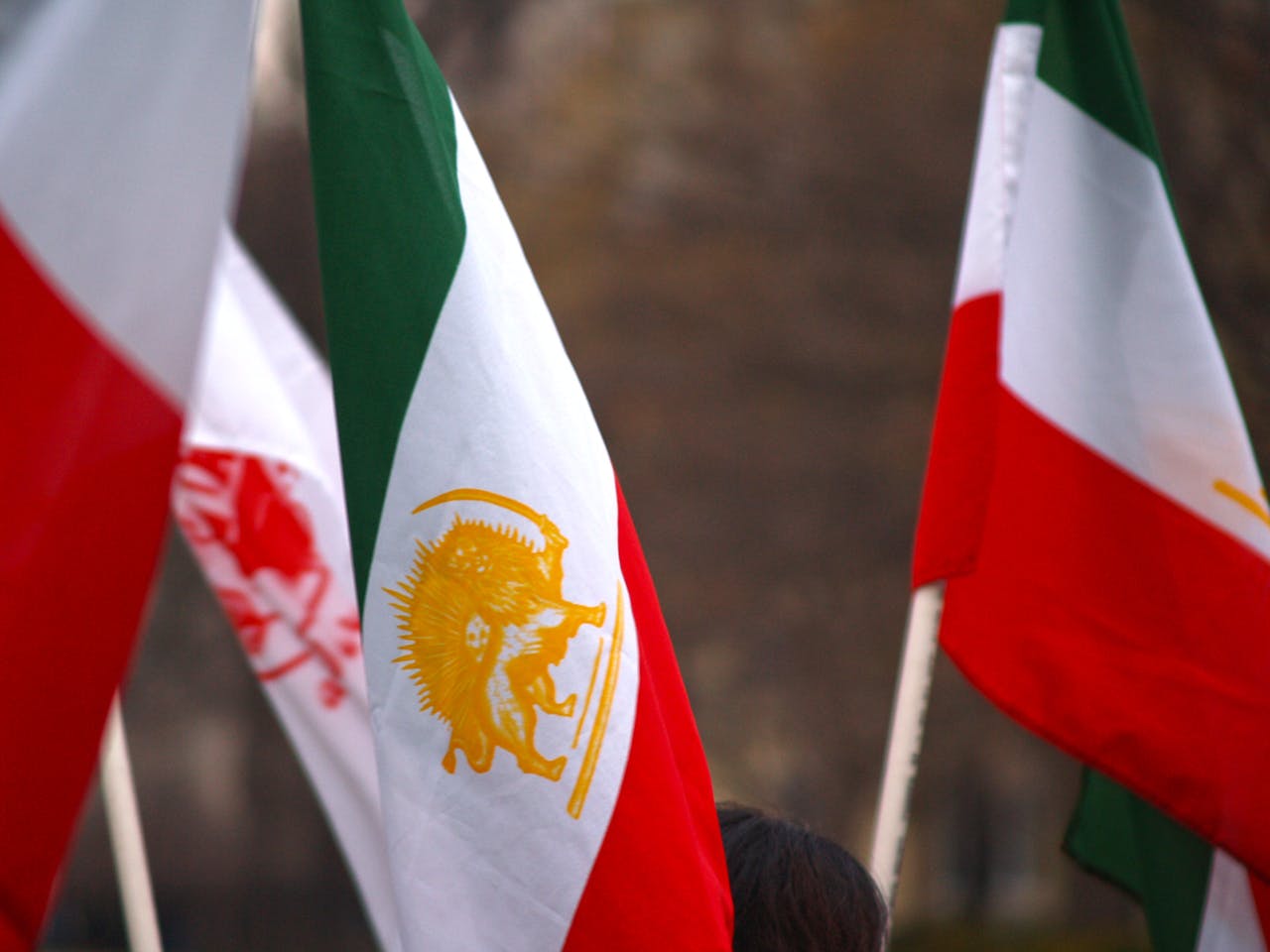
U.S. Defense Secretary Pete Hegseth said on Thursday that the United States military stands fully prepared to carry out any decision President Donald Trump makes regarding Iran, underscoring Washington’s determination to prevent Tehran from pursuing nuclear weapons capabilities. His remarks come amid heightened tensions in the Middle East and growing scrutiny of Iran’s nuclear ambitions.
Speaking during a cabinet meeting, Hegseth was directly asked by President Trump to address the current situation with Iran. He responded firmly, stating that Iran “should not pursue nuclear capabilities” and emphasized that the U.S. armed forces are ready to deliver whatever actions the president expects from what he referred to as the “War Department,” echoing the Trump administration’s unofficial renaming of the Department of Defense. His comments highlight the administration’s aggressive stance on national security and nuclear nonproliferation.
U.S. officials have clarified that while a significant American military presence has been deployed in the region, President Trump has not yet made a final decision on whether to launch military strikes against Iran. Instead, he is said to be reviewing a range of options, including diplomatic pressure and potential military action, as part of a broader strategy to deter Iran from restarting its nuclear program.
Tensions between the United States and Iran have escalated sharply in recent weeks following a violent crackdown on widespread protests across Iran. The demonstrations, driven by economic hardship and political repression, prompted strong reactions from Washington. President Trump repeatedly warned that the United States could intervene if Iranian authorities continued to kill protesters, although those nationwide protests have since subsided.
Adding another layer to the crisis, Trump has stated that the U.S. would take action if Iran resumed nuclear activities after the June airstrikes carried out by Israeli and U.S. forces targeting key Iranian nuclear facilities. Those strikes were intended to significantly degrade Iran’s nuclear infrastructure and send a clear message about international red lines.
As the situation develops, global attention remains focused on U.S.-Iran relations, Trump’s foreign policy decisions, and the broader implications for Middle East security and nuclear nonproliferation.













